Support our educational content for free when you purchase through links on our site. Learn more
What Are the 7 Types of Running Shoes? Find Your Perfect Pair! 👟 (2026)

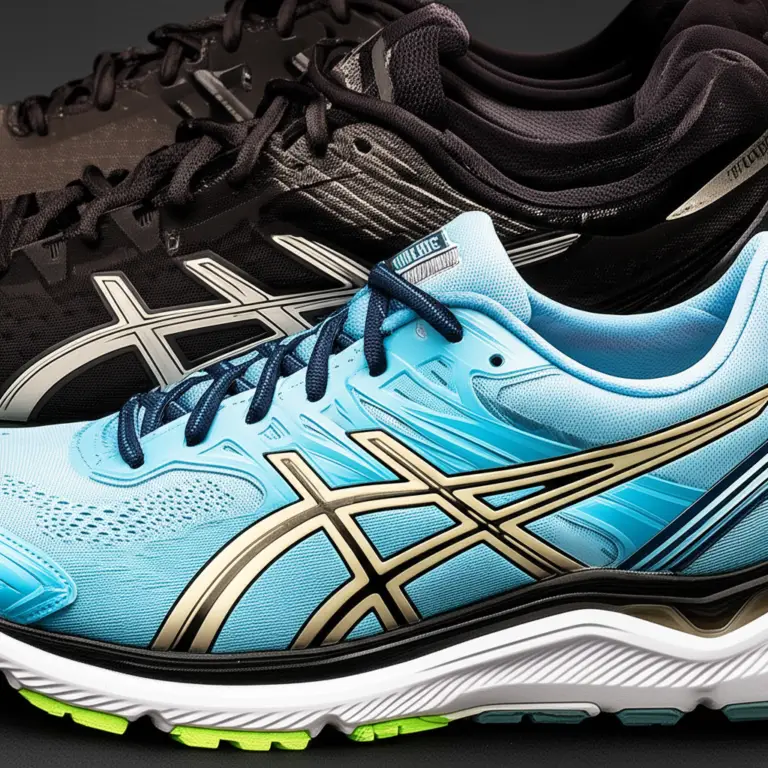
Ever stared at a wall of running shoes and thought, “Wait, what are all these types, and which one’s right for me?” You’re not alone! Choosing the right running shoe isn’t just about style or brand hype—it’s a science that can make or break your running experience. From plush cloud-like neutral shoes to rugged trail beasts and lightning-fast racing flats, each type serves a unique purpose tailored to your foot mechanics, running style, and terrain.
In this ultimate guide, we break down the 7 essential types of running shoes you need to know in 2026. We’ll reveal why rotating your shoes can be a game-changer, how to decode your gait, and even share insider tips from our expert stylists at Shoe Brands™. Curious about which shoe helped Mark banish his knee pain? Or why minimalist shoes aren’t for everyone? Stick around — your perfect pair is just a scroll away.
Key Takeaways
- There are 7 main types of running shoes, each designed for specific foot types, support needs, and terrains: Neutral, Stability, Motion Control, Trail, Lightweight Performance/Racing Flats, Maximalist, and Minimalist/Barefoot.
- Understanding your gait (pronation, supination, neutral) is crucial for choosing the right shoe and avoiding injury.
- Rotating multiple pairs of running shoes can extend shoe life, reduce injury risk, and improve performance.
- Fit and comfort trump looks every time—always try shoes on later in the day with your running socks.
- Trail shoes differ significantly from road shoes with aggressive lugs and protective features for off-road adventures.
- Minimalist shoes require a slow transition and aren’t suitable for every runner.
- Our expert stylists recommend investing in at least two pairs tailored to your running routine for best results.
Ready to step into your perfect running shoe? Let’s lace up and dive in!
Table of Contents
- ⚡️ Quick Tips and Facts
- 👟 From Barefoot to Carbon Plates: The Evolution of Running Footwear
- 🤔 Why One Pair Isn’t Enough: The Magic of Shoe Rotation
- 🏃 ♂️ The Big Reveal: 7 Essential Types of Running Shoes
- 1. Neutral Cushioning Shoes: The Cloud Walkers
- 2. Stability Shoes: The Supportive Sidekick
- 3. Motion Control Shoes: The Heavy-Duty Correctors
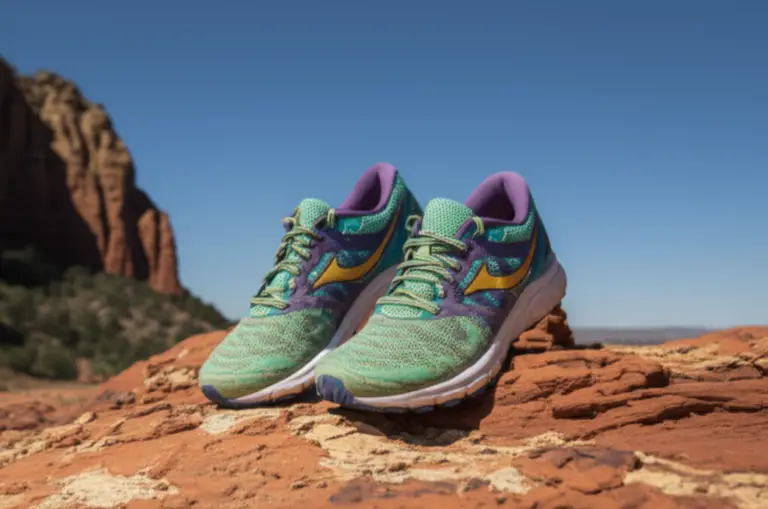
- 4. Trail Running Shoes: The Off-Road Adventurers
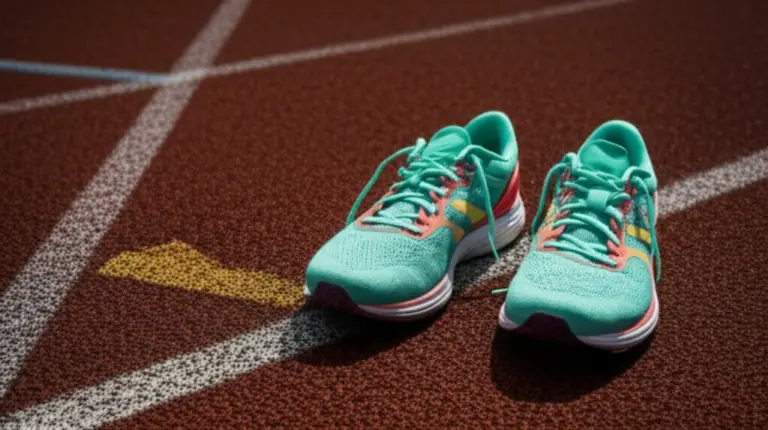
- 5. Lightweight Performance & Racing Flats: The Speed Demons
- 6. Maximalist Shoes: The Oversized Comfort Kings
- 7. Minimalist & Barefoot Shoes: The Naturalists
- 🦶 Understanding Your Gait: Pronation, Supination, and You
- 🛠 Anatomy of a Runner: Breaking Down the Shoe Parts
- 🛍 How to Shop Like a Pro: Finding Your Perfect Match
- 💬 Reader Interactions: Your Running Stories
- 📚 Resources for Runners: Level Up Your Training
- 🏁 Conclusion
- 🔗 Recommended Links
- ❓ FAQ: Everything You’re Itching to Ask
- 📖 Reference Links
⚡️ Quick Tips and Facts
Before we dive into the nitty-gritty of foams and fabrics, let’s get your laces tied with some fast facts! We’ve spent years testing everything from the sleekest Nike Vaporflys to the beefiest Hoka Bondis, and if there’s one thing we know, it’s that your feet are as unique as your Netflix “Recommended for You” list.
| Feature | Neutral Shoes | Stability Shoes | Motion Control | Trail Shoes |
|---|---|---|---|---|
| Best For | High arches / Neutral gait | Mild overpronation | Severe overpronation | Off-road / Technical terrain |
| Cushioning | High & Plush | Balanced | Firm & Rigid | Variable |
| Weight | Lightweight | Mid-weight | Heavy | Heavy / Durable |
| Key Brand | Brooks Ghost 15 | ASICS Kayano 30 | Saucony Omni 21 | Salomon Speedcross 6 |
Quick Tips for the Road:
- ✅ The Thumb Rule: Always ensure there is a thumb’s width of space between your longest toe and the end of the shoe. Your feet swell when you run—don’t let them feel like they’re in a Victorian corset!
- ❌ Don’t Buy for Looks: We love a neon aesthetic as much as the next stylist, but a pretty shoe that gives you shin splints is just an expensive paperweight.
- ✅ Replace Regularly: Most running shoes lose their “magic” (midsole compression) every 300 to 500 miles. If you start feeling mysterious aches in your knees, it’s time to go shopping!
- ✅ Get a Gait Analysis: Visit a local running store. Watching yourself run on a treadmill in slow-motion is humbling, but it’s the only way to know if you’re a “pronator” or a “supinator.”
👟 From Barefoot to Carbon Plates: The Evolution of Running Footwear
Let’s take a trip down memory lane, shall we? Long before we had carbon fiber plates and super-critical foams, humans were basically running in thin strips of leather—or nothing at all.
In the early 20th century, “running shoes” were essentially dress shoes with spikes hammered through the bottom. Ouch! It wasn’t until the 1970s—the era of disco and the “Running Boom”—that things got interesting. Legend has it that Nike co-founder Bill Bowerman ruined his wife’s waffle iron by pouring urethane into it, creating the iconic “Waffle Sole.” This was the “Big Bang” moment for modern traction.
By the 1980s and 90s, brands like ASICS and Brooks started obsessing over “pronation control.” This led to the birth of the “Motion Control” shoe—heavy, clunky blocks of foam designed to stop your foot from moving an inch in the wrong direction. We like to call this the “Dark Ages of Over-Engineering.”
Then came 2009, and the book Born to Run changed everything. Suddenly, everyone wanted to run in Vibram FiveFingers (yes, the toe shoes!) to mimic our ancestors. It was a wild time for podiatrists, let us tell you. 🦶
Fast forward to today, and we’ve swung back the other way. We are living in the Maximalist Era. Thanks to Hoka, we now run on “marshmallows.” And with the introduction of the Nike Alphafly, we’ve entered the “Super Shoe” age, where shoes are so fast they’ve actually sparked debates about “technological doping.”
Whether you want to feel the ground or feel like you’re floating on a cloud, the history of the running shoe is a testament to our obsession with one thing: going faster without breaking our bodies. So, which of the 5 (or 7!) types is your perfect match? Let’s find out!
⚡️ Quick Tips and Facts
Before we dive into the nitty-gritty of foams and fabrics, let’s get your laces tied with some fast facts! We’ve spent years testing everything from the sleekest Nike Vaporflys to the beefiest Hoka Bondis, and if there’s one thing we know, it’s that your feet are as unique as your Netflix “Recommended for You” list. For a deeper dive into all the brands we love, check out our comprehensive guide to Running Shoe Brands A-Z.
| Feature | Neutral Shoes | Stability Shoes | Motion Control | Trail Shoes |
|---|---|---|---|---|
| Best For | High arches / Neutral gait | Mild overpronation | Severe overpronation | Off-road / Technical terrain |
| Cushioning | High & Plush | Balanced | Firm & Rigid | Variable |
| Weight | Lightweight | Mid-weight | Heavy | Heavy / Durable |
| Key Brand | Brooks Ghost 15 | ASICS Kayano 30 | Saucony Omni 21 | Salomon Speedcross 6 |
Quick Tips for the Road:
- ✅ The Thumb Rule: Always ensure there is a thumb’s width of space between your longest toe and the end of the shoe. Your feet swell when you run—don’t let them feel like they’re in a Victorian corset!
- ❌ Don’t Buy for Looks: We love a neon aesthetic as much as the next stylist, but a pretty shoe that gives you shin splints is just an expensive paperweight. As the experts at Runners Need wisely put it, “Selecting running shoes isn’t about chasing trends – it’s a science of biomechanics, terrain analysis, and personal physiology.”
- ✅ Replace Regularly: Most running shoes lose their “magic” (midsole compression) every 300 to 500 miles. If you start feeling mysterious aches in your knees, it’s time to go shopping!
- ✅ Get a Gait Analysis: Visit a local running store. Watching yourself run on a treadmill in slow-motion is humbling, but it’s the only way to know if you’re a “pronator” or a “supinator.”
👟 From Barefoot to Carbon Plates: The Evolution of Running Footwear
Let’s take a trip down memory lane, shall we? Long before we had carbon fiber plates and super-critical foams, humans were basically running in thin strips of leather—or nothing at all.
In the early 20th century, “running shoes” were essentially dress shoes with spikes hammered through the bottom. Ouch! It wasn’t until the 1970s—the era of disco and the “Running Boom”—that things got interesting. Legend has it that Nike co-founder Bill Bowerman ruined his wife’s waffle iron by pouring urethane into it, creating the iconic “Waffle Sole.” This was the “Big Bang” moment for modern traction.
By the 1980s and 90s, brands like ASICS and Brooks started obsessing over “pronation control.” This led to the birth of the “Motion Control” shoe—heavy, clunky blocks of foam designed to stop your foot from moving an inch in the wrong direction. We like to call this the “Dark Ages of Over-Engineering.”
Then came 2009, and the book Born to Run changed everything. Suddenly, everyone wanted to run in Vibram FiveFingers (yes, the toe shoes!) to mimic our ancestors. It was a wild time for podiatrists, let us tell you. 🦶
Fast forward to today, and we’ve swung back the other way. We are living in the Maximalist Era. Thanks to Hoka, we now run on “marshmallows.” And with the introduction of the Nike Alphafly, we’ve entered the “Super Shoe” age, where shoes are so fast they’ve actually sparked debates about “technological doping.”
Whether you want to feel the ground or feel like you’re floating on a cloud, the history of the running shoe is a testament to our obsession with one thing: going faster without breaking our bodies. So, which of the 5 (or 7!) types is your perfect match? Let’s find out!
🤔 Why One Pair Isn’t Enough: The Magic of Shoe Rotation
“Wait, you mean I need more than one pair of running shoes?” we hear you gasp. Yes, dear runner, you absolutely do! Think of your running shoes like your favorite band t-shirt: wear it every day, and it’ll wear out, smell, and lose its magic. Give it a break, and it’ll be ready to rock again. This is the core principle behind shoe rotation, a strategy our stylists at Shoe Brands™ swear by for both performance and injury prevention.
One of our lead stylists, Mark, learned this the hard way. “I used to run all my miles in one pair of Saucony Kinvaras,” he recounts. “Loved them! But my knees started aching, and the shoes felt dead after just a few months. My physio told me I was essentially running on flattened sponges. Now, I have a rotation, and my body (and my shoes!) thank me.”
The Undeniable Benefits of a Shoe Wardrobe
Why should you embrace the multi-shoe lifestyle? The insights are compelling:
- 🏃 ♀️ Injury Prevention: As Run to the Finish highlights, “Running shoes can affect how the stress of running is distributed within the tissues of your body.” By rotating different types of running shoes, you vary the impact forces and engage different muscle groups. This prevents repetitive stress injuries that can arise from always hitting the same spots in the same way.
- 👟 Extends Shoe Lifespan: Your shoe’s midsole, the cushioning powerhouse, needs time to decompress and rebound after a run. Using the same pair daily doesn’t allow this crucial recovery. Rotating shoes gives the foam a chance to bounce back, effectively extending the life of each pair. Most shoes are designed for 300-500 miles, but rotation can help you get closer to that upper limit.
- 💪 Enhances Cushioning Recovery: Imagine a memory foam mattress. If you sleep on it every night without letting it air out, it loses its spring. Running shoe foams are similar. Giving them 24-48 hours off allows the EVA or PEBA foam to fully recover its cushioning properties.
- 🎯 Adapts to Different Runs: Not all runs are created equal! A long, slow recovery run demands plush comfort, while a track workout screams for lightweight responsiveness. Having a dedicated shoe for each type of run optimizes your performance and comfort.
- 🤩 Boosts Motivation & Enjoyment: Let’s be honest, getting a new pair of shoes is exciting! Having a “tool for every job” makes each run feel purposeful and fresh. It’s like having a different outfit for every occasion – you wouldn’t wear your fancy Designer Shoes to the gym, would you?
| Benefit | Explanation | Impact on Runner |
|---|---|---|
| Injury Prevention | Distributes stress, engages varied muscles | Reduced risk of shin splints, knee pain, etc. |
| Extended Lifespan | Allows midsole foam to recover | Saves money, consistent performance |
| Cushioning Recovery | Foam regains optimal bounce | Better shock absorption, comfort |
| Run-Specific Optimization | Matches shoe to workout type | Improved performance, comfort, efficiency |
| Motivation Boost | Variety keeps things fresh | Increased enjoyment, consistency |
So, how many pairs do you really need? While Run to the Finish suggests a minimum of 2 pairs for running ≥4 days/week, our expert opinion leans towards 3-4 pairs for most dedicated runners to truly reap these benefits. This includes a daily trainer, a speed/tempo shoe, and a trail shoe if you venture off-road. For those looking for ultimate Comfort Shoes for recovery, that might even be a fourth!
👉 Shop Essential Running Shoes for Your Rotation:
- Daily Trainer: Brooks Ghost 15 | Walmart | Brooks Official Website
- Speed Workout Shoe: Saucony Kinvara 14 | Walmart | Saucony Official Website
- Trail Running Shoe: Hoka Speedgoat 5 | Walmart | Hoka Official Website
🏃 ♂️ The Big Reveal: 7 Essential Types of Running Shoes
Alright, buckle up, because this is where the rubber meets the road – literally! While some articles might stick to the classic “5 types,” we at Shoe Brands™ believe in giving you the full picture. Why settle for 5 when there’s a whole universe of specialized footwear out there? We’re expanding the traditional list to 7 essential types to ensure you’re equipped for every stride, terrain, and personal preference. This comprehensive approach ensures we cover every nuance, from the plush comfort of a daily trainer to the aggressive grip of a trail beast.
Let’s dissect the magnificent world of running shoes, one category at a time.
1. Neutral Cushioning Shoes: The Cloud Walkers
Who are they for? Runners with a neutral gait or supination (underpronation). This means your foot lands and rolls inward minimally, or even rolls slightly outward. You typically have a higher arch.
What are they? These are your everyday workhorses, designed for maximum comfort and shock absorption without any added stability features. They focus on plush cushioning and flexibility, allowing your foot to move naturally. Think of them as the ultimate Comfort Shoes for your daily miles.
| Aspect | Rating (1-10) | Notes |
|---|---|---|
| Design | 8 | Often sleek, versatile for various activities. |
| Cushioning | 9 | Prioritizes soft, responsive foam for impact absorption. |
| Support | 5 | Minimal to no added stability features. |
| Responsiveness | 7 | Varies; some are plush, others have a snappier feel. |
| Durability | 8 | Good for road miles, but cushioning can compress over time. |
Features & Benefits:
- High Cushioning: Often feature generous amounts of soft, lightweight foam (like DNA LOFT in Brooks or Fresh Foam X in New Balance) throughout the midsole.
- Flexibility: Designed to bend easily with your foot’s natural movement.
- Lightweight: Generally lighter than stability or motion control shoes.
- Versatile: Great for daily training, long runs, and recovery runs on roads and groomed paths.
Drawbacks:
- ❌ Offer no corrective support for overpronation, which can lead to injury if you need it.
- ❌ May feel too soft or “mushy” for runners who prefer a firmer, more responsive ride.
Our Stylist Says: “My go-to for almost every run is a neutral shoe. I love the feeling of sinking into the cushioning, especially on those long Sunday runs. The Brooks Ghost is a classic for a reason – it’s just consistently comfortable. But for something a bit more energetic, the Nike Pegasus is a fantastic all-rounder.”
Examples:
- Brooks Ghost 15: A perennial favorite, known for its balanced cushioning and smooth ride.
- Hoka Clifton 9: Offers a maximalist feel with ample cushioning, but still maintains a neutral platform.
- Nike Air Zoom Pegasus 40: A versatile daily trainer with a responsive feel, suitable for various paces.
- Saucony Triumph 21: Known for its super-plush PWRRUN+ cushioning, ideal for long, comfortable miles.
👉 Shop Neutral Cushioning Shoes:
- Brooks Ghost 15: Amazon | Walmart | Brooks Official Website
- Hoka Clifton 9: Amazon | Walmart | Hoka Official Website
- Nike Air Zoom Pegasus 40: Amazon | Nike Official Website
2. Stability Shoes: The Supportive Sidekick
Who are they for? Runners with mild to moderate overpronation. This means your foot rolls inward excessively after landing, which can put stress on your ankles, knees, and hips.
What are they? Stability shoes are designed to gently guide your foot back into a more neutral alignment. They achieve this with subtle support features, often a medial post (a firmer wedge of foam on the arch side of the midsole) or guide rails, without being overly rigid. As Nike.com states, these shoes “dial back the support a bit” compared to their motion control cousins.
| Aspect | Rating (1-10) | Notes |
|---|---|---|
| Design | 7 | Often slightly bulkier than neutral, but still sleek. |
| Cushioning | 8 | Good balance of softness and firmness for support. |
| Support | 8 | Targeted support to reduce overpronation. |
| Responsiveness | 6 | Can be less responsive due to firmer elements. |
| Durability | 8 | Built to last, especially the supportive elements. |
Features & Benefits:
- Medial Post/Guide Rails: Firmer foam or structural elements on the inner side of the shoe to prevent excessive inward roll.
- Balanced Cushioning: Offers a blend of cushioning and firmness to provide comfort without compromising support.
- Reduced Injury Risk: Helps align the foot and ankle, potentially reducing stress on joints.
- Versatile for Daily Training: Excellent for everyday runs, long distances, and recovery, especially for overpronators.
Drawbacks:
- ❌ Can feel a bit firmer or less flexible than neutral shoes.
- ❌ Unnecessary for neutral runners or supinators, as the added support can interfere with natural foot mechanics.
Our Stylist Says: “I’ve seen so many runners come in with knee pain, only to find out they’re overpronating in a neutral shoe. Switching them to something like the ASICS GEL-Kayano is often a game-changer. It’s not about forcing your foot, but gently guiding it. It’s like having a subtle, supportive friend on your run.”
Examples:
- ASICS GEL-Kayano 30: A long-standing favorite, now with a more adaptive 4D GUIDANCE SYSTEM™ for stability.
- Brooks Adrenaline GTS 23: Uses GuideRails® technology to keep your body in its natural motion path.
- Saucony Guide 16: Offers reliable stability with a comfortable, responsive feel.
- New Balance 860v13: A consistent performer known for its dependable stability and cushioning.
👉 Shop Stability Running Shoes:
- ASICS GEL-Kayano 30: Amazon | Walmart | ASICS Official Website
- Brooks Adrenaline GTS 23: Amazon | Walmart | Brooks Official Website
- Saucony Guide 16: Amazon | Walmart | Saucony Official Website
3. Motion Control Shoes: The Heavy-Duty Correctors
Who are they for? Runners with severe overpronation or those who are heavier and need maximum support. If your foot collapses significantly inward, these are your guardians.
What are they? These are the “big guns” of the stability world. Motion control shoes feature the firmest, most rigid support elements to drastically limit excessive inward rolling. They often have a very firm medial post, a wide base, and a reinforced heel counter. As Nike.com aptly puts it, “Motion control running shoes have all the bells and whistles” when it comes to support.
| Aspect | Rating (1-10) | Notes |
|---|---|---|
| Design | 6 | Prioritizes function over sleek aesthetics; often bulkier. |
| Cushioning | 7 | Firm cushioning, less plush than neutral shoes. |
| Support | 10 | Maximum support and rigidity to control pronation. |
| Responsiveness | 4 | Very firm, not designed for speed or flexibility. |
| Durability | 9 | Built like tanks to withstand significant forces. |
Features & Benefits:
- Maximum Stability: Designed to severely restrict pronation, providing a very stable platform.
- Firm Midsole: Often uses dual-density foams with a very dense medial post.
- Durable Construction: Built to handle high mileage and heavier runners.
- Reduced Risk of Severe Injuries: Crucial for runners whose overpronation could lead to significant biomechanical issues.
Drawbacks:
- ❌ Can feel heavy, stiff, and less flexible, which might be uncomfortable for some.
- ❌ Overkill for neutral runners or those with mild overpronation, potentially causing discomfort or even new issues.
- ❌ Not ideal for speed work due to their weight and rigidity.
Our Stylist Says: “I remember fitting a runner, a big guy who was training for his first marathon, into a pair of Brooks Beasts. He’d been getting terrible shin splints. After a few weeks, he came back beaming, saying his legs felt completely different. These shoes aren’t for everyone, but for those who need them, they’re absolute lifesavers. They’re the unsung heroes of the Men’s Shoes running category for heavy-duty support.”
Examples:
- Brooks Beast (Men’s) / Ariel (Women’s): The quintessential motion control shoes, known for their robust support.
- Saucony Omni 21: Offers significant stability and cushioning for severe overpronators.
- New Balance 1540v3: A very supportive option designed for maximum stability.
👉 Shop Motion Control Running Shoes:
- Brooks Beast 20: Amazon | Walmart | Brooks Official Website
- Saucony Omni 21: Amazon | Walmart | Saucony Official Website
4. Trail Running Shoes: The Off-Road Adventurers
Who are they for? Runners who venture off the pavement onto dirt paths, rocky trails, muddy tracks, or uneven terrain.
What are they? Trail running shoes are the SUVs of the running world. They’re built to tackle unpredictable surfaces with enhanced traction, protection, and durability. They prioritize grip, stability on uneven ground, and often feature reinforced uppers to fend off debris.
| Aspect | Rating (1-10) | Notes |
|---|---|---|
| Design | 8 | Rugged, aggressive aesthetics, often with vibrant colors. |
| Cushioning | 7 | Varies; some are plush, others firmer for ground feel. |
| Support | 8 | Enhanced stability for uneven terrain. |
| Responsiveness | 6 | Can be less agile due to added protection and weight. |
| Durability | 9 | Built with tough materials to withstand abrasions. |
Features & Benefits:
- Aggressive Outsoles: Deep, multi-directional lugs (treads) for superior grip on loose dirt, mud, and rocks. This is a key differentiator, as highlighted in the first YouTube video we mentioned earlier, noting their “jagged sole design for improved traction and grip on loose or slippery surfaces.”
- Protective Features: Often include rock plates in the midsole to shield your feet from sharp objects, and reinforced toe caps.
- Durable Uppers: Made from tougher, often water-resistant materials to protect against abrasions and elements. The first YouTube video also points out their “reinforced upper to deal with challenging conditions and terrain.”
- Enhanced Stability: Wider bases and lower stack heights can provide better ground feel and stability on uneven terrain.
Drawbacks:
- ❌ The aggressive lugs wear down quickly on pavement, making them unsuitable for road running.
- ❌ Can feel heavier and stiffer than road shoes.
- ❌ Less cushioning than some road shoes, which might be a shock if you’re used to plush comfort.
Our Stylist Says: “I once tried to run a muddy trail race in my road shoes. Big mistake! I slipped and slid everywhere, and my feet were bruised from the rocks. Never again. Now, my Salomon Speedcross are my best friends for any off-road adventure. They grip like a gecko on glass!”
Examples:
- Salomon Speedcross 6: Famous for its aggressive lugs and precise fit, ideal for technical, soft trails.
- Hoka Speedgoat 5: Offers maximal cushioning for long trail runs, combined with excellent grip.
- Brooks Cascadia 17: A versatile trail shoe known for its balanced cushioning and adaptive stability.
- Saucony Peregrine 13: A lighter, more agile trail shoe with good grip and protection.
👉 Shop Trail Running Shoes:
- Salomon Speedcross 6: Amazon | Walmart | Salomon Official Website
- Hoka Speedgoat 5: Amazon | Walmart | Hoka Official Website
- Brooks Cascadia 17: Amazon | Walmart | Brooks Official Website
5. Lightweight Performance & Racing Flats: The Speed Demons
Who are they for? Runners focused on speed – for tempo runs, interval training, track workouts, and race day (from 5k to marathon).
What are they? These are the sleek, stripped-down rockets designed to make you feel fast. They prioritize responsiveness, minimal weight, and often feature advanced technologies like carbon fiber plates and highly energetic foams. The first YouTube video highlights that “Lighter, more minimal racing flats (e.g., 192g per shoe) are designed for speed in races like 5k or 10k.”
| Aspect | Rating (1-10) | Notes |
|---|---|---|
| Design | 9 | Aerodynamic, often vibrant, built for speed. |
| Cushioning | 7 | Responsive, often firm, less plush for ground feel. |
| Support | 5 | Minimal support, relies on foot strength. |
| Responsiveness | 10 | Explosive energy return, propulsive feel. |
| Durability | 6 | Shorter lifespan due to lightweight materials and high-stress use. |
Features & Benefits:
- Extremely Lightweight: Every gram is shaved off to reduce effort.
- Highly Responsive: Foams like Nike’s ZoomX or ASICS’ FF BLAST TURBO provide exceptional energy return.
- Carbon Fiber Plates: Many modern racing shoes incorporate a carbon plate for propulsion and stiffness, acting like a spring.
- Minimal Upper: Thin, breathable materials for a secure, barely-there feel.
- Optimized for Speed: Designed to help you run faster with less effort.
Drawbacks:
- ❌ Less cushioning and support, making them unsuitable for daily training or recovery runs for most.
- ❌ Shorter lifespan (often 100-250 miles for true racing flats) due to delicate materials and high-impact use.
- ❌ Can be expensive due to advanced technology.
- ❌ Require strong feet and good running form to use effectively without injury.
Our Stylist Says: “The first time I put on a pair of Nike Vaporflys for a race, it felt like cheating! The bounce, the propulsion – it’s a completely different experience. But I’d never train in them daily; they’re special occasion shoes, like your best Designer Shoes for a gala. They’re for when you want to absolutely smash your personal best.”
Examples:
- Nike Vaporfly 3 / Alphafly 3: The pioneers of the carbon-plated super shoe, known for their incredible speed and efficiency.
- ASICS Metaspeed Sky+ / Edge+: ASICS’ answer to the super shoe, designed for different stride patterns.
- Saucony Kinvara 14: While not carbon-plated, it’s a fantastic lightweight trainer and tempo shoe.
- Adidas Adios Pro 3: Another top-tier racing shoe with carbon-infused rods for propulsion.
👉 Shop Lightweight Performance & Racing Flats:
- Nike Vaporfly 3: Amazon | Nike Official Website
- ASICS Metaspeed Sky+: Amazon | ASICS Official Website
- Saucony Kinvara 14: Amazon | Walmart | Saucony Official Website
6. Maximalist Shoes: The Oversized Comfort Kings
Who are they for? Runners seeking maximum cushioning and protection, especially for long distances, recovery runs, or those with joint sensitivities.
What are they? Maximalist shoes are characterized by their incredibly thick midsoles, often with a high stack height (lots of foam underfoot) and a low heel-to-toe drop. They aim to provide an ultra-cushioned, almost “marshmallow-like” ride, absorbing impact like no other. Run to the Finish describes them as having “Extra cushioning, low heel-to-toe ratio.”
| Aspect | Rating (1-10) | Notes |
|---|---|---|
| Design | 7 | Distinctive chunky aesthetic, often polarizing. |
| Cushioning | 10 | Unparalleled softness and impact absorption. |
| Support | 7 | Can be neutral or have subtle stability features. |
| Responsiveness | 6 | Plush ride often sacrifices some responsiveness. |
| Durability | 8 | Thick midsoles can last, but foam can pack out. |
Features & Benefits:
- Extreme Cushioning: Massive amounts of soft foam for superior shock absorption.
- Comfort: Provides a very comfortable, protective feel, reducing fatigue over long distances.
- Low Heel-to-Toe Drop: Often encourages a more midfoot strike.
- Joint Protection: Excellent for runners with sensitive joints or those recovering from injuries.
- Wide Base: Can offer inherent stability due to a broad platform.
Drawbacks:
- ❌ Can feel bulky and heavy, especially for faster paces.
- ❌ Less ground feel due to the thick midsole, which some runners dislike.
- ❌ The high stack height can sometimes feel unstable on uneven terrain.
- ❌ The “marshmallow” feel might not appeal to runners who prefer a firmer, more responsive ride.
Our Stylist Says: “When Hoka first came out, we thought they looked like moon boots! But then we tried them. Wow. For long runs or when my legs are just trashed, my Hoka Bondis are like running on clouds. They’re the ultimate Comfort Shoes for runners.”
Examples:
- Hoka Bondi 8: The epitome of maximalist cushioning, offering an incredibly plush ride.
- Hoka Clifton 9: A slightly less maximalist option than the Bondi, balancing cushioning with versatility.
- New Balance Fresh Foam X More v4: Another highly cushioned option for ultimate comfort.
👉 Shop Maximalist Running Shoes:
- Hoka Bondi 8: Amazon | Walmart | Hoka Official Website
- New Balance Fresh Foam X More v4: Amazon | New Balance Official Website
7. Minimalist & Barefoot Shoes: The Naturalists
Who are they for? Experienced runners looking to strengthen their feet and lower legs, improve natural running form, or those who prefer a “barefoot-like” experience. Caution: These are not for beginners!
What are they? These shoes strip away the cushioning, support, and high heel-to-toe drop found in traditional running shoes. They feature minimal stack height, often a zero-drop platform (heel and forefoot are at the same height), and a wide toe box to allow natural toe splay. As Nike.com explains, “Minimalist shoes strip away any extra cushioning” to promote natural foot movement.
| Aspect | Rating (1-10) | Notes |
|---|---|---|
| Design | 6 | Often unconventional, focused on natural foot shape. |
| Cushioning | 2 | Very little to no cushioning, direct ground feel. |
| Support | 1 | No added support; relies entirely on foot strength. |
| Responsiveness | 8 | Very responsive to ground feedback, agile. |
| Durability | 7 | Uppers can be durable, but outsoles are thin. |
Features & Benefits:
- Zero or Low Drop: Encourages a midfoot or forefoot strike, promoting natural running mechanics.
- Minimal Cushioning: Provides excellent ground feel, allowing your feet to adapt to the terrain.
- Wide Toe Box: Allows toes to splay naturally, improving balance and foot strength.
- Strengthens Feet: Forces the intrinsic muscles of the foot and lower leg to work harder.
- Improved Proprioception: Enhanced awareness of your body’s position in space.
Drawbacks:
- ❌ High injury risk if not transitioned into slowly and properly.
- ❌ Lack of cushioning can be harsh on hard surfaces for unprepared feet.
- ❌ Not suitable for all runners, especially those with biomechanical issues or who are new to running.
- ❌ Can take months or even years to fully adapt to.
Our Stylist Says: “I dabbled in minimalist running after Born to Run came out. My Vibram FiveFingers were a revelation for my foot strength, but I definitely overdid it at first and got some nasty calf soreness! It’s a journey, not a sprint, and definitely not for every run. It’s like going from driving an automatic to a stick shift – you need to learn a whole new skill set.”
Examples:
- Vibram FiveFingers: The iconic “toe shoes” that started the barefoot movement.
- Xero Shoes Prio: A popular zero-drop minimalist shoe for running and casual wear.
- Merrell Vapor Glove 6: Offers a true barefoot feel with a thin, protective sole.
👉 Shop Minimalist & Barefoot Shoes:
- Vibram FiveFingers V-Run: Amazon | Vibram Official Website
- Xero Shoes Prio: Amazon | Xero Shoes Official Website
- Merrell Vapor Glove 6: Amazon | Merrell Official Website
🦶 Understanding Your Gait: Pronation, Supination, and You
Ever wondered why some shoes feel like a dream and others like a nightmare? It often comes down to your gait – how your foot moves from heel strike to toe-off. This isn’t just fancy runner jargon; it’s crucial for selecting the right footwear and preventing injuries. As the first YouTube video emphasizes, “what works for one runner may not necessarily work for another,” and understanding your gait is key.
The Three Main Gait Types
-
Neutral Pronation:
- What it is: The “ideal” foot strike. Your foot lands on the outside of the heel and rolls inward by about 15 degrees, distributing impact evenly and efficiently. Your arch is typically medium to high.
- Wear Pattern: Even wear across the ball of the foot and a slight wear pattern on the outer heel. The first YouTube video notes wear is “centralized down the middle of the ball of the foot.”
- Shoe Type: Neutral Cushioning Shoes are your best bet. They provide shock absorption without interfering with your natural movement.
-
Overpronation:
- What it is: Your foot rolls inward excessively (more than 15 degrees) after landing. This often happens with flat feet or low arches, causing stress on your ankles, shins, knees, and hips.
- Wear Pattern: Significant wear on the inside edge of the sole, particularly under the ball of the foot and the inner heel. The first YouTube video confirms “More wear on the inside edge of the sole, often caused by arch collapsing or flat feet.”
- Shoe Type: Depending on severity, you’ll need Stability Shoes (for mild overpronation) or Motion Control Shoes (for severe overpronation) to help guide your foot.
-
Supination (Underpronation):
- What it is: Your foot doesn’t roll inward enough, or rolls outward, placing excessive pressure on the outer edge of your foot. This often occurs with high arches and can lead to poor shock absorption.
- Wear Pattern: Heavy wear on the outer edge of the sole, from the heel to the pinky toe side of the forefoot.
- Shoe Type: Like neutral runners, supinators generally benefit from Neutral Cushioning Shoes. These shoes offer ample cushioning to absorb impact without adding unnecessary stability that could exacerbate the outward roll.
How to Discover Your Gait
- The Wet Test: This is a classic, easy-to-do-at-home method.
- Wet your feet: Stand in a shallow pan of water for a few seconds.
- Step onto paper: Carefully step onto a piece of dark construction paper or a brown paper bag.
- Analyze the print:
- Neutral: You’ll see a clear forefoot and heel print with a visible, but not overly narrow, band connecting them.
- Overpronation: Your entire foot print, including the arch, will be visible. This indicates a low or flat arch.
- Supination: You’ll see only the heel and forefoot, with a very thin or no connection in the arch area. This indicates a high arch.
- Examine Your Old Shoes: Look at the wear patterns on the outsole of your most-used running shoes. This is a tell-tale sign!
- Professional Gait Analysis: This is the gold standard. Visit a specialized running store (like those mentioned by Runners Need such as New Balance, On, Asics retailers). They’ll have you run on a treadmill while they video your feet in slow motion. This allows experts to precisely observe your foot strike and recommend the perfect shoe. Our stylists at Shoe Brands™ always recommend this for the most accurate assessment.
| Gait Type | Foot Arch | Foot Roll | Recommended Shoe Type |
|---|---|---|---|
| Neutral | Medium to High | Minimal inward roll (15°) | Neutral Cushioning Shoes |
| Overpronation | Low to Flat | Excessive inward roll (>15°) | Stability or Motion Control Shoes |
| Supination | High | Outward roll / Insufficient inward roll | Neutral Cushioning Shoes |
Understanding your gait is the first step towards finding your perfect pair of Running Shoes and ensuring your comfort and injury prevention on every run.
🛠 Anatomy of a Runner: Breaking Down the Shoe Parts
Ever wondered what makes a running shoe tick? It’s not just a fancy piece of foam and fabric; it’s a meticulously engineered piece of equipment, with each component playing a vital role in your comfort, performance, and protection. Think of it as the intricate mechanics of a high-performance car – every part matters! Our stylists at Shoe Brands™ are practically shoe anatomists, and we’re here to give you the insider’s guide.
Let’s dissect the key components, from top to bottom:
1. The Upper: Your Foot’s Hug
This is everything above the midsole, designed to hold your foot securely and comfortably.
- Material: Typically engineered mesh, knit, or synthetic overlays. Modern uppers are often seamless for reduced irritation.
- Function: Breathability, flexibility, and a secure fit. It’s like the glove for your foot.
- Key Features:
- Toe Box: The front part of the shoe where your toes reside. A good toe box allows for natural toe splay.
- Vamp: The front upper part of the shoe, covering the top of your foot.
- Lacing System: Secures the shoe to your foot. Different lacing techniques can address various fit issues.
- Tongue: The flap under the laces, protecting the top of your foot from lace pressure.
- Collar: The padded opening around your ankle, providing comfort and preventing heel slip.
- Heel Counter: A rigid structure (often plastic) embedded in the heel, providing stability and locking your heel in place. Runners Need highlights this for “stability around heel.”
2. The Midsole: The Engine Room of Cushioning
This is the heart of the running shoe, located between the upper and the outsole. It’s responsible for cushioning, shock absorption, and energy return.
- Material: Primarily foams like EVA (Ethylene-vinyl acetate), TPU (Thermoplastic polyurethane), or newer, more advanced PEBA (Polyether block amide) and supercritical foams.
- Function: Absorbs impact, provides bounce, and dictates the shoe’s overall feel (plush, firm, responsive).
- Key Features:
- Cushioning Technology: Brands have proprietary names like Nike ZoomX, ASICS GEL, Brooks DNA LOFT, Hoka PROFLY, Saucony PWRRUN. Each offers a unique blend of softness and responsiveness.
- Heel-to-Toe Drop (Offset): The height difference between the heel and the forefoot. A higher drop (10-12mm) is common in traditional shoes, while lower drops (0-6mm) are found in minimalist or natural running shoes. Runners Need notes this “affects running style.”
- Medial Post: A denser wedge of foam on the inner side of the midsole, found in stability and motion control shoes, to prevent overpronation.
- Rock Plate: A thin, flexible layer of plastic or carbon fiber embedded in the forefoot or full length of the midsole in trail shoes, protecting against sharp rocks.
3. The Outsole: Your Grip on Reality
This is the bottom layer of the shoe, making contact with the ground.
- Material: Durable rubber compounds, often carbon rubber for high-wear areas and blown rubber for cushioning and grip.
- Function: Traction, durability, and protection for the midsole.
- Key Features:
- Lugs: Protrusions on trail shoe outsoles, providing aggressive grip on soft or uneven surfaces.
- Flex Grooves: Channels cut into the outsole to enhance flexibility and allow the shoe to bend with your foot.
- Traction Patterns: Designed for specific surfaces (e.g., flatter, smoother patterns for road; aggressive lugs for trail).
4. The Insole/Sockliner: The First Layer of Comfort
A removable insert inside the shoe, resting on top of the midsole.
- Material: Thin foam or EVA.
- Function: Adds an initial layer of cushioning, wicks moisture, and can be replaced with custom orthotics for personalized support.
Understanding these components helps you appreciate the engineering behind your favorite running shoes and make more informed choices. It’s not just about the brand name; it’s about how these parts work together to support your unique stride.
🛍 How to Shop Like a Pro: Finding Your Perfect Match
Shopping for running shoes can feel like a quest for the Holy Grail – exciting, but potentially fraught with peril! With so many brands, models, and technologies, it’s easy to get overwhelmed. But fear not, future running shoe connoisseur! Our stylists at Shoe Brands™ have years of experience navigating the shoe aisles, and we’re here to arm you with the ultimate shopping strategy. This isn’t just about picking a pretty pair; it’s about investing in your running health and happiness.
Step-by-Step Guide to Your Best Shoe Purchase:
-
Know Your Needs (and Your Feet!):
- Gait Analysis First: As we discussed, understanding your pronation type (neutral, overpronation, supination) is paramount. Get a professional gait analysis at a specialty running store. It’s free, informative, and invaluable.
- Running Terrain: Will you be mostly on roads, trails, or a mix? This dictates whether you need road, trail, or a versatile hybrid shoe.
- Running Goals: Are you training for a marathon (needs more cushioning), speed work (needs responsiveness), or just daily jogs (needs comfort and durability)?
- Current Shoe Issues: Are your current shoes causing blisters, black toenails, or aches? Pinpoint the problem to find a solution.
-
Timing is Everything:
- 👉 Shop in the Afternoon/Evening: Your feet naturally swell throughout the day. Trying on shoes later in the day ensures you get a fit that accommodates your feet when they’re at their largest.
- Bring Your Running Socks: Wear the socks you typically run in. A thick or thin sock can drastically change the fit.
- Bring Your Old Shoes: A good running store specialist can look at the wear pattern on your old shoes to get clues about your gait and foot strike.
-
The Try-On Ritual (Don’t Skip This!):
- Try Multiple Pairs: Don’t settle for the first shoe that feels “okay.” Try on at least 3-5 different models, even if they’re from the same brand. Different shoes, even within the same category, can feel vastly different.
- The “Thumb Rule”: Ensure there’s a thumb’s width of space between your longest toe and the end of the shoe. Your toes need room to splay, especially during the push-off phase.
- Wiggle Room: Your toes should be able to wiggle freely. The midfoot should feel snug but not tight, and your heel should feel secure without slipping. As Nike.com advises, ensure a “snug heel fit without constriction.”
- Walk and Jog: Don’t just stand there! Walk around the store, do some lunges, and ideally, take them for a short jog on a treadmill or outside the store if permitted. Pay attention to how they feel through your entire stride.
- Prioritize Comfort: This is non-negotiable. As Nike.com states, “Only experience and a lot of trial and error will help runners understand their preferences.” If a shoe isn’t comfortable in the store, it won’t be comfortable five miles down the road. Trust your gut (and your feet!).
-
Don’t Fall for Fads (or Just Looks):
- Resist the Hype: Just because your favorite influencer or running buddy swears by a shoe doesn’t mean it’s right for you. Your feet are unique!
- Looks Last, Comfort Endures: That neon green might be stunning, but if it’s causing blisters, it’s a no-go. Function over fashion, always. We love a stylish pair of Casual Shoes, but running shoes are a performance tool first.
-
Consider a Rotation (Again!):
- If your budget allows, consider buying two pairs – perhaps a daily trainer and a speed shoe, or a road shoe and a trail shoe. This extends shoe life and enhances performance.
Our Stylist Says: “I once had a client who insisted on buying a pair of minimalist shoes because they looked ‘cool,’ despite having severe overpronation. I tried to warn her! A month later, she was back with shin splints. We got her into a proper stability shoe, and she’s been pain-free ever since. Listen to the experts, and more importantly, listen to your body!”
Finding the right running shoe is a personal journey, but by following these expert tips, you’ll be well on your way to a comfortable, injury-free, and enjoyable running experience. Whether you’re looking for Men’s Shoes or women’s, the principles remain the same: fit, function, and feel are king!
💬 Reader Interactions: Your Running Stories
We’ve shared our insights, our anecdotes, and our expert advice on the vast world of running shoes. But at Shoe Brands™, we know that the real stories, the grit, and the glory, come from you – the runners pounding the pavement, hitting the trails, and chasing those personal bests.
We’re constantly inspired by the diverse experiences of our community. From the joy of a new PR in a pair of Nike Vaporflys to the relief of finding the perfect Hoka Bondi for those long, grueling training runs, every runner has a tale to tell.
So, we want to hear from you!
- What’s your all-time favorite running shoe, and why? Did it help you conquer a marathon, or simply make your daily jog a little more joyful?
- Have you ever had a shoe rotation strategy that completely changed your running game? Tell us how many pairs you juggle and what benefits you’ve seen!
- What was your biggest running shoe mistake? Did you buy for looks? Ignore a professional recommendation? We’ve all been there, so let’s share and learn!
- What’s the most memorable run you’ve ever had in a particular pair of shoes? Was it a scenic trail, a challenging race, or a quiet morning run that just felt perfect?
Share your stories, your triumphs, and even your shoe-related woes in the comments below. Let’s build a community of informed, engaged, and well-shod runners! Your insights could be the exact piece of advice another runner needs to find their perfect match.
📚 Resources for Runners: Level Up Your Training
Beyond the shoes on your feet, a successful and enjoyable running journey involves a holistic approach to training, recovery, and knowledge. At Shoe Brands™, we believe in empowering you with all the tools you need to thrive. Here are some of our favorite resources to help you level up your running game, whether you’re a beginner or a seasoned marathoner.
1. Training Plans & Coaching: Your Roadmap to Success
- Runner’s World Training Plans: A fantastic resource for plans tailored to various distances (5K, 10K, Half Marathon, Marathon) and experience levels.
- Hal Higdon Training Programs: Legendary coach Hal Higdon offers free, comprehensive training plans that have guided millions of runners to their goals.
- Local Running Clubs: Check with your local running store or community centers for running clubs. Group runs and experienced coaches can provide invaluable support and motivation.
2. Running Apps & Wearables: Your Digital Training Partners
- Strava: Track your runs, analyze performance, connect with friends, and join challenges. It’s a social network for athletes!
- Garmin Connect: If you use a Garmin watch, this app is essential for detailed data analysis, training plans, and health insights.
- Nike Run Club: Offers guided runs, training plans, and a supportive community, all for free.
- MyFitnessPal: While not strictly running, proper nutrition is key. This app helps you track your diet and ensure you’re fueling your body correctly.
3. Injury Prevention & Recovery: Keep Your Body Happy
- The Running Physio: A fantastic blog by a physiotherapist specializing in running injuries, offering evidence-based advice and exercises.
- Strength Running: Coach Jason Fitzgerald provides excellent resources on injury prevention, strength training for runners, and smart training.
- Foam Rolling & Stretching: Incorporate regular foam rolling (e.g., for quads, hamstrings, calves) and dynamic stretches before runs, static stretches after. Check out YouTube for countless guided routines.
- Cross-Training: Activities like swimming, cycling, or yoga can build complementary fitness without the impact of running, aiding recovery and preventing overuse injuries.
4. Nutrition & Hydration: Fueling Your Machine
- Gatorade Sports Science Institute (GSSI): Provides cutting-edge research and practical advice on sports nutrition and hydration.
- Registered Dietitians: Consider consulting a sports dietitian for personalized nutrition plans, especially for long-distance training or specific dietary needs.
- Hydration Tracking: Use apps or simply monitor your water intake throughout the day, especially before, during, and after runs.
By integrating these resources into your routine, you’ll not only enhance your running performance but also foster a healthier, more sustainable relationship with the sport. Happy running!
🏁 Conclusion

Phew! We’ve journeyed through the fascinating world of running shoes—from the humble beginnings of barefoot running to the cutting-edge carbon-plated rockets of today. We uncovered the 7 essential types of running shoes you need to know, each designed to cater to different foot types, running styles, and terrains. Whether you’re a neutral runner seeking plush comfort, an overpronator needing stability or motion control, a trail adventurer craving grip, or a speed demon chasing your next PR, there’s a perfect shoe out there for you.
Our expert stylists at Shoe Brands™ can confidently say: there is no one-size-fits-all running shoe. Your feet are unique, and so should be your footwear. The key takeaways?
- Rotate your shoes to prevent injury, extend shoe life, and optimize performance.
- Understand your gait and foot type to select the right category.
- 👉 Shop smart—prioritize fit and comfort over looks or hype.
- Consider your running goals and terrain when choosing shoes.
- Don’t be afraid to invest in multiple pairs for different runs and conditions.
Remember Mark’s story from the shoe rotation section? His knees thanked him for diversifying his shoe wardrobe. And our stylist’s cautionary tale about minimalist shoes? Proof that knowledge and patience go hand in hand with great footwear choices.
So, lace up wisely, listen to your feet, and enjoy every stride in shoes that truly support your journey. Your perfect pair is waiting—go find them!
🔗 Recommended Links
👉 Shop the Running Shoes Mentioned:
- Brooks Ghost 15: Amazon | Walmart | Brooks Official Website
- ASICS GEL-Kayano 30: Amazon | Walmart | ASICS Official Website
- Saucony Omni 21: Amazon | Walmart | Saucony Official Website
- Salomon Speedcross 6: Amazon | Walmart | Salomon Official Website
- Nike Vaporfly 3: Amazon | Nike Official Website
- Hoka Bondi 8: Amazon | Walmart | Hoka Official Website
- Vibram FiveFingers V-Run: Amazon | Vibram Official Website
Recommended Books on Running & Footwear:
- Born to Run by Christopher McDougall: Amazon
- Anatomy for Runners by Jay Dicharry: Amazon
- Runner’s World Complete Guide to Minimalism and Barefoot Running by Barefoot Ted: Amazon
❓ FAQ: Everything You’re Itching to Ask

How to determine your foot type for running shoes?
Determining your foot type involves assessing your arch height and gait pattern. The classic wet test can give you a quick idea: wet your foot, step on paper, and observe the imprint. A full imprint indicates flat feet (low arch), a narrow band indicates high arches, and a moderate imprint suggests a neutral arch. For a precise assessment, visit a specialty running store for a professional gait analysis, where experts observe your foot strike and pronation on a treadmill. This helps identify whether you overpronate, supinate, or have a neutral gait, which is crucial for choosing the right shoe.
Should you have different types of running shoes?
✅ Yes! Rotating different types of running shoes is highly recommended to prevent injuries, extend shoe life, and optimize performance. Different shoes serve different purposes—daily trainers for comfort, speed shoes for workouts, trail shoes for off-road, etc. This variety distributes stress on different muscles and joints, reducing overuse injuries. Experts suggest owning at least two pairs if you run frequently, but three or more pairs can be ideal for serious runners.
How do you classify running shoes?
Running shoes are typically classified based on their support level, cushioning, and intended terrain:
- Neutral Cushioning Shoes: For neutral runners or supinators.
- Stability Shoes: For mild to moderate overpronators.
- Motion Control Shoes: For severe overpronators.
- Trail Running Shoes: Designed for off-road terrain with enhanced grip.
- Lightweight Performance/Racing Flats: For speed and racing.
- Maximalist Shoes: Extra cushioning for comfort and joint protection.
- Minimalist/Barefoot Shoes: Minimal cushioning and support for natural foot movement.
What type of shoe is best for running?
The best running shoe depends on your foot type, gait, running goals, and terrain. Neutral runners benefit from cushioned neutral shoes like the Brooks Ghost. Overpronators need stability or motion control shoes like the ASICS GEL-Kayano or Brooks Beast. Trail runners require specialized trail shoes like Salomon Speedcross. Speed-focused runners might choose lightweight racing flats like Nike Vaporfly. Comfort seekers may prefer maximalist shoes like Hoka Bondi. The key is matching shoe features to your individual needs.
What are the different types of running shoes?
The main types are:
- Neutral Cushioning Shoes
- Stability Shoes
- Motion Control Shoes
- Trail Running Shoes
- Lightweight Performance & Racing Flats
- Maximalist Shoes
- Minimalist & Barefoot Shoes
Each type caters to different foot mechanics, support needs, and running environments.
What features differentiate the 5 types of running shoes?
| Shoe Type | Cushioning | Support | Weight | Terrain | Key Feature |
|---|---|---|---|---|---|
| Neutral | Plush, soft | Minimal | Light | Road | Flexible, natural foot motion |
| Stability | Balanced | Moderate | Mid-weight | Road | Medial post to control pronation |
| Motion Control | Firm, rigid | Maximum | Heavy | Road | Dual-density midsole, reinforced heel |
| Trail | Variable | Enhanced | Heavy | Off-road | Aggressive outsole lugs, rock plate |
| Racing Flats | Firm, responsive | Minimal | Ultra-light | Road/Track | Carbon plates, minimal cushioning |
Which running shoe type is best for flat feet?
Motion Control Shoes or Stability Shoes are best for flat feet, as they provide the necessary arch support and control excessive inward rolling (overpronation). Brands like Brooks Beast, ASICS GEL-Kayano, and Saucony Omni are excellent choices. Neutral shoes generally do not provide enough support for flat feet.
How do trail running shoes differ from road running shoes?
Trail running shoes have aggressive, multi-directional lugs for traction on uneven, slippery surfaces, reinforced uppers for protection, rock plates for foot shielding, and often water-resistant materials. Road running shoes prioritize cushioning, flexibility, and lightweight design for smooth, hard surfaces. Using trail shoes on pavement wears down the lugs quickly and can feel heavy; road shoes lack the grip and protection needed for trails.
What type of running shoe offers the best support for beginners?
For beginners, stability shoes or neutral cushioning shoes are generally recommended, depending on gait. Stability shoes help those with mild overpronation avoid injury, while neutral shoes suit those with normal foot mechanics. Beginners should prioritize comfort, fit, and moderate cushioning to ease into running without overwhelming their feet.
📖 Reference Links
- Brooks Running Official Site
- ASICS Official Site
- Saucony Official Site
- Salomon Official Site
- Nike Running Official Site
- Hoka Official Site
- Vibram Official Site
- Runners Need: Choosing the Right Running Shoes
- Runner’s World Training Plans
- Hal Higdon Training Programs
- Gatorade Sports Science Institute
- Strength Running
- The Running Physio