Support our educational content for free when you purchase through links on our site. Learn more
Can You Find Name-Brand Winter Boots Under $50? 🥾

Yes—you can find name-brand boots under $50 for winter, especially during clearance sales, at outlet and discount retailers, or among last-season styles. The key is matching the boot to your weather: a deal on a fashionable ankle boot isn’t the same as a warm, waterproof snow boot.
We’ve seen shoppers get dazzled by a familiar logo or a fluffy lining, only to discover the sole is better suited to a dry sidewalk than a slushy commute. Check the specific model’s insulation, water protection, traction, fit, and return policy before buying—and remember that water-resistant doesn’t necessarily mean waterproof.
Key Takeaways
- Name-brand winter boots under $50 are possible, but sizes, styles, and availability vary; clearance and last-season finds are often your best bet.
- 👉 Shop for the weather you actually face. Snowy commutes call for better coverage and water protection than mild, mostly dry winters.
- Verify features by model, not logo. Check insulation, waterproof construction, sole traction, and room for warm socks.
- Waterproof hiking boots aren’t automatically warm snow boots. Waterproofing and insulation are different features.
- Read reviews and return policies carefully. Confirm the seller, exact model, fit feedback, and whether you can return the boots after an indoor try-on.
- Compare winter-ready options: Columbia boots | SOREL boots | Merell boots | Kamik winter boots | Nortiv 8 waterproof hiking boots
Table of Contents
- ⚡️ Quick Tips and Facts
- ❄️ Can You Find Name-Brand Winter Boots Under $50?
- What Counts as a Name-Brand Boot?
- What to Expect at This Budget
- 🥾 10 Name-Brand Boots to Watch for Under $50
- 1. Budget-Friendly Snow Boots
- 2. Insulated Winter Boots
- 3. Waterproof Hiking Boots
- 4. Everyday Lace-Up Boots
- 5. Faux-Leather Fashion Boots
- 6. Fleece-Lined Boots
- 7. Ankle Boots for Mild Winters
- 8. Kids’ Winter Boots
- 9. Clearance and Last-Season Styles
- 10. Outlet and Online-Exclusive Finds
- 🛍️ Where to Shop for Affordable Winter Boots
- Department Stores, Outlet Shops, and Discount Retailers
- Online Marketplaces and Brand Websites
- How to Check Seller and Return Policies
- 🔎 How to Find Genuine Deals Without Getting Fooled
- Spoting Authentic Brands and Listings
- Comparing Sale Prices and Previous Seasons
- When Used or Open-Box Boots Make Sense
- 🌨️ What Makes a Boot Warm, Waterproof, and Winter-Ready?
- Insulation, Lings, and Warm Socks
- Waterproof Membranes and Water-Resistant Finishes
- Traction, Tread, and Icy Sidewalks
- Shaft Height, Closures, and Snow Protection
- ✅ How to Choose the Right Pair for Your Winter
- Snowy Commutes, Wet Weather, and Everyday Errands
- Walking, Hiking, and Outdoor Work
- Fit, Sizing, Width, and Room for Socks
- ⚠️ Trade-Offs to Check Before You Buy
- Common Durability and Comfort Concerns
- Why Cheap Boots May Not Suit Severe Cold
- Red Flags in Reviews and Product Descriptions
- 🧼 Make Budget Winter Boots Last Longer
- Waterproofing and Salt-Stain Care
- Drying Boots Safely and Storing Them Off-Season
- When to Replace Worn Soles or Lings
- 💡 Smart Ways to Stretch a $50 Boot Budget
- Seasonal Sales, Coupons, and Clearance Timing
- Budgeting for Socks, Insoles, and Waterproofing Spray
- 🏁 Conclusion
- 🔗 Recommended Links
- ❓ FAQ
- Can name-brand winter boots under $50 keep your feet warm?
- Are boots under $50 waterproof or just water-resistant?
- Which brands often have winter boots on sale under $50?
- Are hiking boots a good substitute for snow boots?
- How can you tell if an online boot listing is authentic?
- Should winter boots fit larger to make room for thick socks?
- 📚 Reference Links
Table of Contents
- ⚡️ Quick Tips and Facts
- ❄️ Can You Find Name-Brand Winter Boots Under $50?
- What Counts as a Name-Brand Boot?
- What to Expect at This Budget
- 🥾 10 Name-Brand Boots to Watch for Under $50
- 1. Budget-Friendly Snow Boots
- 2. Insulated Winter Boots
- 3. Waterproof Hiking Boots
- 4. Everyday Lace-Up Boots
- 5. Faux-Leather Fashion Boots
- 6. Fleece-Lined Boots
- 7. Ankle Boots for Mild Winters
- 8. Kids’ Winter Boots
- 9. Clearance and Last-Season Styles
- 10. Outlet and Online-Exclusive Finds
- 🛍️ Where to Shop for Affordable Winter Boots
- Department Stores, Outlet Shops, and Discount Retailers
- Online Marketplaces and Brand Websites
- How to Check Seller and Return Policies
- 🔎 How to Find Genuine Deals Without Getting Fooled
- Spoting Authentic Brands and Listings
- Comparing Sale Prices and Previous Seasons
- When Used or Open-Box Boots Make Sense
- 🌨️ What Makes a Boot Warm, Waterproof, and Winter-Ready?
- Insulation, Lings, and Warm Socks
- Waterproof Membranes and Water-Resistant Finishes
- Traction, Tread, and Icy Sidewalks
- Shaft Height, Closures, and Snow Protection
- ✅ How to Choose the Right Pair for Your Winter
- Snowy Commutes, Wet Weather, and Everyday Errands
- Walking, Hiking, and Outdoor Work
- Fit, Sizing, Width, and Room for Socks
- ⚠️ Trade-Offs to Check Before You Buy
- Common Durability and Comfort Concerns
- Why Cheap Boots May Not Suit Severe Cold
- Red Flags in Reviews and Product Descriptions
- 🧼 Make Budget Winter Boots Last Longer
- Waterproofing and Salt-Stain Care
- Drying Boots Safely and Storing Them Off-Season
- When to Replace Worn Soles or Lings
- 💡 Smart Ways to Stretch a $50 Boot Budget
- Seasonal Sales, Coupons, and Clearance Timing
- Budgeting for Socks, Insoles, and Waterproofing Spray
⚡️ Quick Tips and Facts
Yes, you can find name-brand boots under $50 for winter, especially during clearance, outlet promotions, and end-of-season sales. The catch? “Winter boot” can mean anything from a warm, waterproof snow boot to a cute ankle boot that’s happier on a dry sidewalk than in a slush puddle.
If you’re also shopping for everyday footwear, our guide to name-brand shoes under $50 covers more budget-friendly finds.
| Quick question | Stylist answer |
|---|---|
| Can a recognizable brand fit the budget? | Often, yes. Look for last-season styles, outlet stock, and markdowns from retailers such as Target, Burlington, Marshalls, and department-store clearance sections. |
| Does “water-resistant” mean waterproof? | No. Water resistance may handle light moisture; waterproof construction is designed to keep water out under stated conditions. Check the product’s exact wording and construction. |
| Are hiking boots warm enough for winter? | Not automatically. Waterproofing and traction don’t guarantee insulation. A waterproof hiking boot may still need warm socks—and may not suit long, cold outdoor exposure. |
| What matters most for snow? | Traction, water protection, insulation, fit, and coverage. A stylish boot that slips on ice is a bad bargain in a very literal way. |
| What’s the smartest deal? | The pair that suits your local winter and fits comfortably, not simply the boot with the biggest markdown. |
Our team’s rule of thumb: buy for the coldest, wetest conditions you actually face, rather than the snowstorm you might see in a movie. The American Academy of Orthopaedic Surgeons recommends footwear that fits well and has a stable, nonslip sole for winter conditions; see its foot and ankle advice.
✅ A real budget strategy: Buy a recognizable brand’s dependable clearance boot rather than gambling on an unfamiliar listing with grand claims and no useful specs.
❌ A common mistake: Assuming a fluffy lining means the boot is waterproof, or that a luged sole is safe on polished ice.
❄️ Can You Find Name-Brand Winter Boots Under $50?
Yes—but availability changes by season, size, color, and retailer. Under-$50 finds are most realistic when you’re flexible about style and timing. A popular size in a classic black boot may sell out quickly; an unusual color in a last-season model may linger on clearance.
The word “name-brand” also needs a little unpacking. It can mean an established footwear label, a familiar fashion brand, or a retailer’s in-house label. Those aren’t identical categories, and none guarantees that a boot is designed for deep snow.
What Counts as a Name-Brand Boot?
For this guide, we use “name-brand” to mean a brand you can identify and verify through its own website or established retail partners. Examples of brands shoppers may encounter include SOREL, Columbia, Merell, KEN, Timberland, Madden Girl, MIA, and Wild Fable. Their products differ greatly: a fashion ankle boot and an insulated snow boot shouldn’t be judged by the same checklist.
- Performance footwear brands such as Columbia and Merell tend to describe intended activities, materials, and technical features.
- Fashion and lifestyle brands such as Madden Girl often prioritize styling and everyday wear; winter-specific protection varies by model.
- Retailer labels such as Wild Fable can offer trend-forward options, but you’ll need to read each product’s features rather than infer performance from the label.
Brand recognition is not a warmth rating. Look for product-level evidence: insulation details, waterproof construction, outsole design, and care instructions.
What to Expect at This Budget
At this budget, the strongest candidates are usually sale styles, simple everyday boots, children’s boots, and some entry-level outdoor footwear. You may have to compromise on color selection, full-grain leather, replaceable components, or premium insulation.
| Boot feature | What you might find | What to verify |
|---|---|---|
| Upper | Synthetic leather, textile, treated suede, or leather on select sale styles | Material details and care instructions |
| Warmth | Fleece or faux-fur lining in some models | Whether insulation is specified and how much coverage it provides |
| Water protection | Treated materials, sealed seams, or a waterproof membrane on some models | Whether the listing says waterproof and explains how |
| Traction | Rubber or rubber-like outsole with grooves or lugs | Tread depth, sole flexibility, and intended surfaces |
| Fit | Standard sizing, sometimes wide options | Reviews mentioning toe room, heel slip, and sock space |
| Longevity | Best for regular casual use or seasonal rotation | Reviews over time, warranty terms, and construction quality |
A useful distinction: a sub-$50 boot can be a good buy without being a severe-weather boot. If you need hours outdoors in freezing temperatures, compare insulation and cold-weather suitability carefully. The U.S. National Weather Service explains that cold-weather exposure can lead to frostbite and hypothermia; footwear should be part of a broader plan to stay dry and warm (NWS: Cold Weather Safety).
🥾 10 Name-Brand Boots to Watch for Under $50
This is a shopping shortlist by boot type, not a promise that every model will be under $50 at every retailer. Sizes, colors, and sale timing change. We’ve included familiar brands and practical categories so you can search wisely—and avoid treating an old sale price as a permanent price.
| # | Type to search | Brands or examples to check | Best for | Main caveat |
|---|---|---|---|---|
| 1 | Budget snow boots | Columbia, SOREL, Kamik, retailer clearance | Snowy daily errands | Popular sizes sell out |
| 2 | Insulated winter boots | Columbia, Kamik, Lands’ End sale styles | Cold, casual wear | Confirm insulation details |
| 3 | Waterproof hiking boots | Merell, Columbia, Nortiv 8 | Wet trails and walking | Waterproof does not mean insulated |
| 4 | Everyday lace-up boots | Timberland clearance, Madden Girl, Target labels | Casual outfits | Often not snow-rated |
| 5 | Faux-leather fashion boots | Madden Girl, MIA, Wild Fable | City style, dry weather | Seams and soles may not suit slush |
| 6 | Fleece-lined boots | Retailer and outdoor-brand sale styles | Mild-to-cold days | Lining can compress over time |
| 7 | Ankle boots | Target, department-store labels, sale collections | Mild winters | Low shaft offers limited snow protection |
| 8 | Kids’ winter boots | Columbia, Kamik, Target, Walmart brands | School and play | Check fit and growth room carefully |
| 9 | Last-season clearance | Established outdoor and fashion brands | Flexible shoppers | Limited sizes and colors |
| 10 | Outlet/online-exclusive styles | Brand outlets and verified retailers | Comparing deals | Check seller identity and return rules |
1. Budget-Friendly Snow Boots
For regular snow, search established winter-footwear brands such as Columbia and Kamik. Their sale sections and older colorways are more likely to approach a tight budget than their newest premium models.
Before buying, look for:
- A waterproof claim with construction details, not just “snow style.”
- A sole with multidirectional tread.
- A closure that adjusts around your ankle or calf.
- Enough interior room for a warm sock without squeezing your toes.
Stylist note: We’ve seen shoppers choose a very puffy boot for the cozy look, then discover it feels cumbersome for a bus commute. Try to balance insulation with weight and flexibility. A warm boot you’ll happily wear is better than a warmer boot you leave by the door.
2. Insulated Winter Boots
If warmth is the priority, look for a product page that identifies insulation or lining and gives care and use details. Brands including Columbia and SOREL make winter-focused footwear, though their under-$50 availability is generally a sale-or-clearance hunt, not something to count on year-round.
Don’t use lining appearance as a substitute for specifications:
- Faux fur or fleece can add comfort, but the amount of insulation and boot construction still matter.
- A removable insole can make drying and fit adjustments easier.
- A snug boot can reduce the insulating air space around your foot.
A practical try-on test: wear the socks you expect to use, lace the boot firmly but comfortably, and check that your toes can move. If the lining presses your toes together, the boot may feel colder—not cozier.
3. Waterproof Hiking Boots
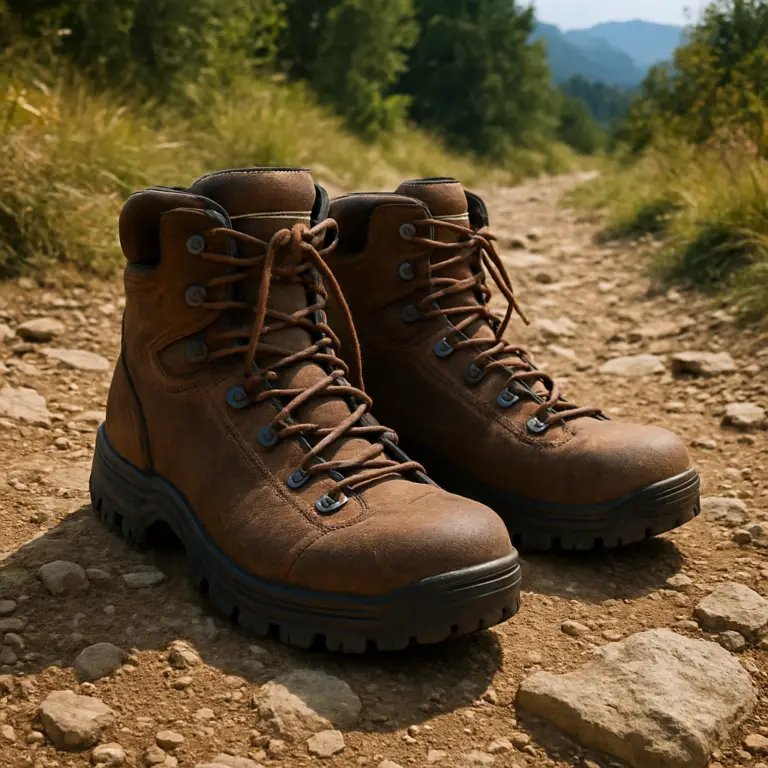
Waterproof hiking boots can be a smart option for wet sidewalks, muddy paths, and moderate outdoor use. They are not automatically the best choice for a snowy winter: many hiking boots are built for water protection and support, not serious insulation.
Examples worth comparing include Merell’s hiking boots, Columbia’s waterproof footwear, and Nortiv 8 Paladin waterproof hiking boots. A Yahoo Shopping feature on the Nortiv 8 Paladin describes it as a popular budget waterproof hiking option and quotes shoppers praising comfort and water protection. Those customer comments are useful signals, not independent lab tests, and the article itself doesn’t establish that the boot is insulated for winter.
✅ Consider this category if you walk on wet trails or commute in rain and can add suitable socks.
❌ Don’t assume it’s a substitute for a snow boot if you’ll be standing in deep snow or extreme cold.
4. Everyday Lace-Up Boots
A simple lace-up boot can work nicely for chilly, mostly dry days. Look at sale styles from brands such as Timberland and Madden Girl, but inspect each model’s upper, lining, and tread.
Everyday lace-ups are especially useful if you want one pair that works with jeans, trousers, and casual dresses. They also fit naturally into a casual shoe wardrobe. For actual slush duty, check water protection at the seams and where the upper meets the sole.
5. Faux-Leather Fashion Boots
Fashion boots can deliver a polished look without a premium label. Madden Girl, MIA, and Wild Fable are examples shoppers may encounter at discount retailers or during promotions. The Lemon8 shopping roundup cited in the brief mentions shoppers finding styles such as Madden Girl boots at Marshalls, MIA boots, and Wild Fable biker boots at Target. Those are examples of reported shopping finds, not guarantees of current stock, price, or winter performance.
Faux leather can be easy to wipe clean, but it may not behave like a purpose-built waterproof membrane. For snow and salt:
- Read the material description.
- Check whether the manufacturer gives cleaning or protection instructions.
- Avoid prolonged wet exposure unless the boot is specifically designed for it.
A fashion boot is a good choice for style-first, dry-weather outfits. If your winter includes regular puddles, prioritize construction over the buckle situation. The buckle can wait; your socks cannot.
6. Fleece-Lined Boots
Fleece lining feels soft right away and can be comfortable for daily wear. But the phrase “fleece-lined” doesn’t tell you how warm the boot is. Consider the boot’s height, fit, outsole, water resistance, and whether the lining covers the full foot.
We recommend checking customer reviews for specific patterns:
- Do people mention warmth during a real commute?
- Does the lining shed or flatten?
- Is there adequate toe room?
- Do reviewers describe the boot as comfortable after several hours, not just at first try-on?
For extra comfort, browse comfort shoes and compare cushioning and fit—but don’t let a soft footbed distract from winter protection.
7. Ankle Boots for Mild Winters
Ankle boots are versatile, easy to style, and often among the easiest options to find on sale. They work well for mild winters, cold offices, and dry city streets. For slushy sidewalks, the short shaft leaves less protection against snow getting inside.
A quick outfit-and-weather check:
| Winter condition | Ankle boot suitability |
|---|---|
| Dry, cool day | ✅ Usually a good match |
| Light rain | ⚠️ Only if the upper and seams offer protection |
| Shallow slush | ⚠️ Depends on water protection and sole construction |
| Deep snow | ❌ Better to choose a taller, winter-specific boot |
| Icy pavement | ⚠️ Traction varies by model; tread alone isn’t a guarantee |
If you love the look, consider keeping ankle boots for dry days and pairing them with a dedicated snow boot for messy weather. That two-pair plan may be more useful than asking one fashionable boot to do everything.
8. Kids’ Winter Boots
Kids’ winter boots are often designed around play, easy fastening, and weather protection. Search established brands such as Columbia and Kamik, plus retailer options from Target and Walmart.
Kids’ boots need a different fit check:
- Leave room for natural toe movement, but avoid a loose heel that causes rubbing.
- Make sure the fastening is manageable for the child.
- Check that the upper doesn’t gape around the calf if snow is likely.
- Recheck fit as the season progresses; children’s feet grow, and thick socks change the fit.
For younger wearers, ease of putting boots on matters almost as much as the tread. A boot that stays in the closet because it takes a wrestling match to fasten is not winning the family’s winter Olympics.
9. Clearance and Last-Season Styles
Clearance is often the best path to a recognizable outdoor brand under $50. Last-season colors may have the same basic construction as current styles, though you should confirm the exact model and specifications rather than assume every year’s version is identical.
Search:
- Brand outlet and sale pages.
- Department-store clearance.
- Local discount retailers such as Marshalls and Burlington.
- Verified online marketplace sellers.
- End-of-winter promotions, when retailers clear seasonal stock.
A reported deal is not a standing offer. Lemon8’s roundup describes shoppers spotting boots at Marshalls, Target, and JCPeney, but stock and markdowns vary by store and date. Use those examples as places to check, not as a promise you’ll see the same boots.
10. Outlet and Online-Exclusive Styles
Outlet and online-exclusive boots can stretch your budget, but examine the product page carefully. Some styles are made specifically for outlets and may differ from the brand’s mainline products. That doesn’t make them bad; it simply means compare the specifications, materials, and warranty instead of buying on the logo alone.
Before you order, check:
- Who the seller is.
- Whether the listing names the exact model.
- Whether the size chart and return policy are clear.
- Whether reviewers discuss the same color and model you’re buying.
- Whether the product claims are specific enough to verify.
🛍️ Where to Shop for Affordable Winter Boots
For a good under-$50 search, compare brand outlets, department-store sales, discount chains, and marketplace listings. We’d rather spend ten minutes verifying the boot than spend all winter discovering the “waterproof” upper has a very creative definition of waterproof.
Department Stores, Outlet Shops, and Discount Retailers
These stores can be useful for finding recognizable brands at marked-down prices:
- Marshalls and Burlington: Assortment changes frequently, so in-store browsing can uncover unexpected styles.
- Target: Useful for retailer labels and seasonal boots; check product details for weather suitability.
- Department stores: Their online sale and clearance pages may carry past-season footwear.
- Brand outlets: Helpful for comparing outdoor footwear and checking brand-specific sizing.
Lemon8’s roundup points to discount-store and clearance finds, but it supplies limited technical information on winter protection. That’s the dividing line between a style lead and a performance recommendation: a cute boot sighting tells us where to shop, not whether the boot is safe for icy conditions.
Online Marketplaces and Brand Websites
Online shopping makes comparison easier, but it’s essential to verify the model and seller. Start with official brand pages to confirm product details, then compare listings from known retailers.
For a marketplace search, use the exact brand plus model name rather than a broad phrase such as “warm snow boots.” Generic searches can mix genuine brand products, private labels, and lookalikes together.
How to Check Seller and Return Policies
Before ordering, confirm:
- Seller: Is the product sold by the brand, the retailer, or a third-party seller?
- Returns: Can you return worn-once indoor try-ons? Who pays return shipping?
- Model details: Do photos and product descriptions match the brand’s own page?
- Warranty: Is there a stated defect or workmanship policy?
- Review quality: Are reviews recent, specific, and about the exact model?
The Federal Trade Commission’s online shopping guidance recommends checking the seller, return policies, and product details before purchasing. We also suggest trying boots indoors first, on a clean surface, until you’re sure about fit.
🔎 How to Find Genuine Deals Without Getting Fooled
A giant markdown badge can make an ordinary boot look like a rare treasure. Pause, compare the product, and ask: What is this boot actually built to do?
Spoting Authentic Brands and Listings
Use this quick verification checklist:
- Search the exact model on the brand’s official website.
- Compare product photos, color names, and materials.
- Check whether the seller is the brand or an established retailer.
- Look for a clear return policy and seller contact information.
- Be skeptical of spelling errors, vague model names, and specs that change across the listing.
A product can be authentic and still be a poor fit for winter. Authenticity verifies the source; it does not certify warmth, waterproofing, or traction.
Comparing Sale Prices and Previous Seasons
Compare the same model, not simply two boots with a similar silhouette. A boot can look identical in a product photo and still differ in lining, materials, outsole, or waterproof construction.
| Comparison point | Why it matters |
|---|---|
| Model number or exact name | Helps distinguish versions and outlet-specific styles |
| Upper material | Affects comfort, care, and exposure tolerance |
| Waterproof claim | Separate water-resistant treatment from waterproof construction |
| Insulation/lining | Indicates whether warmth is a design goal |
| Return terms | Lets you test fit without being stuck with the wrong size |
| Review dates | Helps reveal whether feedback concerns the current version |
A healthy skepticism also applies to “was” prices and countdown timers. The FTC’s online shopping guidance is a good reminder to verify sellers and terms instead of letting urgency do the shopping for you.
When Used or Open-Box Boots Make Sense
Used boots can make sense for occasional wear, but inspect them carefully. Worn tread, compressed lining, cracked synthetic materials, damaged seams, and odor that won’t air out can make a bargain less appealing.
Open-box boots may be a better compromise if:
- The seller clearly explains the condition.
- The outsole is unworn.
- The boot comes with a return option.
- You can verify that it is the exact model advertised.
For winter footwear, don’t accept a damaged sole or uncertain waterproofing simply because the boot looks good in a listing. Wet socks are not a charming vintage detail.
🌨️ What Makes a Boot Warm, Waterproof, and Winter-Ready?
Winter readiness is a combination of features, not one magic word on a box. Warmth, water protection, traction, coverage, and fit all work together. Miss one, and the boot may still disappoint.
Insulation, Lings, and Warm Socks
A warm boot should allow enough room for your foot and sock without slipping around. Tight footwear can feel cold and uncomfortable; too much space can cause rubbing and instability.
Look for:
- A product description that clearly identifies insulation or lining.
- A removable insole if you want to replace or air it out.
- Enough toe room to wigle your toes.
- Socks that wick moisture and fit smoothly, without bulky folds.
The American Academy of Dermatology advises dressing for cold weather and keeping skin dry to help protect against cold-related injury (cold-weather skin protection). Warmth depends on your activity, weather, circulation, and how long you’re outdoors, so a boot’s lining alone can’t promise comfort for everyone.
Waterproof Membranes and Water-Resistant Finishes
These terms matter:
- Water-resistant: Helps repel some moisture, but may not keep water out during prolonged wet exposure.
- Waterproof: A stronger product claim, usually supported by construction intended to block water; check the specific model’s stated limits and care needs.
- Waterproof membrane: A layer designed to prevent water from passing through while managing moisture from inside. Performance varies by design and condition.
Also inspect the seams, tongue, zipper, and upper-to-sole junction. A waterproof-looking boot with an open lace area can let snow in from above. The American Hiking Society’s footwear guidance can help explain why boot construction and intended use matter for outdoor footwear.
Traction, Tread, and Icy Sidewalks
Deep tread can help on loose snow and dirt, but no regular boot sole guarantees safe footing on every icy surface. Ice can defeat even a chunky-looking outsole.
Check:
- Tread pattern and depth.
- Rubber compound and flexibility.
- Heel stability.
- Whether the sole feels grippy on clean, dry surfaces.
- Whether removable traction aids are appropriate for your local conditions.
The National Safety Council recommends taking steps to reduce slips and falls in winter, including choosing suitable footwear and walking carefully on icy surfaces (winter slip-and-fall prevention). For frequent ice, consider dedicated traction devices and follow their instructions; boots alone are not magic cleats.
Shaft Height, Closures, and Snow Protection
The higher the snow, the more useful a taller shaft becomes. A low ankle boot is easy to style and put on, but it offers less protection against snow entering over the top.
| Feature | Benefit | Watch out for |
|---|---|---|
| Mid-calf shaft | More snow coverage | Can feel restrictive around the calf |
| Lace-up closure | Adjustable fit at ankle and instep | Laces can absorb moisture or loosen |
| Side zipper | Convenient on/off | Check zipper construction and water protection |
| Guseted tongue | Helps limit debris and water entry | Not present on every boot |
| Drawcord or snow cuff | Helps close the opening | Can rub if poorly fitted |
When choosing between a sleek ankle boot and a taller snow boot, ask what typically gets inside your footwear: rain, slush, or snow. That answer is more useful than a trend report.
✅ How to Choose the Right Pair for Your Winter
Start with your real routine. Do you walk from the car to the office, catch public transit, stand outside for work, or hike on snowy trails? The best affordable boot for one person may be miserable for another.
Snowy Commutes, Wet Weather, and Everyday Errands
For a typical commute, prioritize:
- Water protection suited to rain or slush.
- Tread appropriate for sidewalks and steps.
- Comfort for the distance you walk.
- A shaft height that matches your local snowfall.
- Easy care if roads are treated with salt.
For a mostly dry urban winter, a fashion boot may be enough. For wet sidewalks and frequent slush, choose a model with more convincing water protection. If you want a more polished outfit, keep weather-ready boots for the walk and change into office shoes indoors. Your commute doesn’t have to dictate your entire wardrobe.
Walking, Hiking, and Outdoor Work
Long outdoor days demand more than a stylish silhouette. Look for supportive construction, secure fit, useful tread, and water protection. If you’ll be standing in the cold, insulation becomes more important than it is for a brisk walk.
Hiking boots such as the Nortiv 8 Paladin may appeal to budget-minded walkers because they’re designed around waterproofing and outdoor use, but don’t confuse that with a winter temperature rating. As the Yahoo feature and the product details make clear, waterproof hiking boot and insulated snow boot are different categories.
For repeated outdoor work in icy conditions, consider whether a budget fashion boot is appropriate at all. Safety and comfort outrank a good-looking sale tag.
Fit, Sizing, Width, and Room for Socks
Try boots later in the day if your feet tend to swell, and wear the socks you plan to use. Then check:
- Toes can move without touching the front.
- Heel stays secure when you walk.
- The instep doesn’t feel pinched.
- Thick socks don’t make the boot tight.
- Laces or straps can be adjusted without creating pressure points.
Do not automatically size up. Brand sizing varies, and an oversized boot can slip, rub, or feel unstable. Use the brand’s size chart and check reviews for comments about that specific model. If you need additional cushioning, browse our comfort shoes category for general fit ideas; for a sporty outdoor wardrobe, see athletic shoes.
⚠️ Trade-Offs to Check Before You Buy
Affordable boots can work well, but you may be choosing between price, technical features, durability, and style. It helps to be honest about which trade-off you’re making.
Common Durability and Comfort Concerns
At a lower price, examine:
- Sole attachment: Look for uneven gaps or signs of weak bonding.
- Stitching: Check stress points around the toe, heel, and lace eyelets.
- Lining: See whether it’s smooth and securely attached.
- Upper material: Ask whether it can tolerate the weather you expect.
- Comfort reviews: Look for comments after several weeks of use, not just first impressions.
Consumer reviews are most useful when they describe a specific experience—fit, weather, duration, and wear. On the other hand, a single enthusiastic review can’t tell you how every pair performs. We treat reviews as clues, then verify specs with the manufacturer.
Why Cheap Boots May Not Suit Severe Cold
A low-cost boot may be perfectly fine for quick errands and still be a poor choice for long exposure in severe cold. The reason is straightforward: waterproofing, lining, and sole thickness do not automatically equal a tested cold-weather rating.
The National Weather Service’s cold-weather guidance emphasizes limiting exposure and dressing appropriately. If your winters include prolonged subfreezing outdoor work or deep snow, compare models from dedicated winter brands and pay close attention to the manufacturer’s intended use.
Red Flags in Reviews and Product Descriptions
Pause if you see:
- “Waterproof” in the title but no supporting product details.
- No material, lining, or care information.
- Reviews describing the wrong product or a different model.
- A confusing seller identity or unclear returns.
- Claims of extreme cold performance without a stated basis.
- Reports of soles separating, water entering, or sizing varying dramatically.
One more issue: social posts and shopping roundups can surface fun finds but rarely provide a full performance test. A Lemon8 post may help you discover discount-store styles; a detailed retailer or brand product page is better for verifying construction.
🧼 Make Budget Winter Boots Last Longer
A little maintenance can help protect your purchase, especially when winter means mud, salt, and repeated wet-dry cycles. Start with the manufacturer’s care directions; treatments suitable for leather may damage some synthetics or textiles.
Waterproofing and Salt-Stain Care
Use this routine after a messy day:
- Brush off dried dirt and salt with a soft brush.
- Wipe the boot with a damp cloth, following the brand’s instructions.
- Use a material-appropriate cleaner if needed.
- Apply a compatible water-repellent product only when the manufacturer allows it.
- Let boots dry naturally before wearing them again.
Salt stains can damage some materials if left to sit. Spot-test cleaners and sprays on a hidden area first. The Leather Working Group’s leather-care resources are useful for leather footwear, while synthetic materials should be cared for according to their own product instructions.
Drying Boots Safely and Storing Them Off-Season
If your boots get wet:
- Remove insoles if they’re removable.
- Losen laces and open the boot.
- Blot moisture with a clean cloth.
- Let the boots air-dry at room temperature.
- Keep them away from direct heaters, fireplaces, and intense sunlight.
Fast heat can damage adhesives and some materials. Store dry boots in a cool place, away from direct sunlight, with enough room to keep shafts from creasing. A boot shaper or clean paper can help maintain shape.
When to Replace Worn Soles or Lings
It may be time to retire a pair if:
- The tread is noticeably worn or smooth.
- The sole is separating.
- Water enters through a seam or damaged upper.
- The lining has compacted enough to create pressure or cold spots.
- The boot no longer feels stable underfoot.
A new insole can improve comfort, but it cannot restore worn traction or fix a leaking seam. If winter footing is the concern, replace the boot or use suitable traction gear rather than trying to cushion your way out of a worn outsole.
💡 Smart Ways to Stretch a $50 Boot Budget
The secret isn’t chasing the lowest number on the shelf. It’s making sure the whole setup works: boot, sock, fit, weather, and return policy.
Seasonal Sales, Coupons, and Clearance Timing
Try this step-by-step search:
- Choose the boot type first. Snow boot, waterproof hiking boot, or everyday fashion boot?
- Search by brand and model. Avoid vague searches that mix unrelated products.
- Check official sale pages and trusted retailers.
- Compare the same model across sellers.
- Check your size before celebrating. A markdown in a size you can’t wear is decorative information.
- Review return rules and seller details.
- Buy when the features and fit are right, not just because the listing claims urgency.
End-of-season sales can reveal discounts, as the Lemon8 roundup notes, but stock becomes unpredictable. Shopping early may offer better size selection; waiting may bring steper markdowns. Which matters more to you: the exact color, or the better chance of finding your size? Usually, the size wins.
Budgeting for Socks, Insoles, and Waterproofing Spray
Remember the extras:
- Socks: A comfortable moisture-managing sock can improve warmth and reduce friction.
- Insoles: Useful for comfort or fit adjustments if there’s enough room.
- Waterproofing treatment: Only use one compatible with the boot’s materials and manufacturer instructions.
- Traction aids: Consider them if you regularly walk on ice, and follow the product directions.
Don’t force the boot to fit by adding a thick insole if it already feels snug. That can compress your toes and reduce comfort. If you’re choosing a stylish winter outfit, you might also browse designer shoes or high heels for indoor and dry-weather options—but keep those separate from your slush-duty footwear.