Support our educational content for free when you purchase through links on our site. Learn more
35 Women’s Shoe Brands to Know: Find Your Perfect Pair 👟


What are some brands of women’s shoes? Popular options include Nike, Adidas, New Balance, ASICS, Hoka, Brooks, Skechers, Clarks, Birkenstock, Naturalizer, Vagabond, Rothy’s, and designer labels such as Gianvito Rossi and Amina Muaddi. The best brand for you depends on the shoe’s purpose, your foot shape, and whether comfort, performance, style, or sustainability tops your wish list.
We’ve seen a gorgeous loafer turn into a closet ornament because its toe box pinched, while a simple sneaker became a daily favorite because it fit just right. The logo may catch your eye; the fit earns the repeat wear. Start with what you need the shoes to do, then compare specific models, sizing, materials, and return policies.
Key Takeaways
- For athletic shoes: Explore Nike, Adidas, New Balance, ASICS, Hoka, and Brooks, matching the model to your activity.
- For comfort and everyday wear: Consider Skechers, Clarks, Ecco, Birkenstock, and Naturalizer, while checking each shoe’s fit and support.
- For fashion and designer styles: Browse Vagabond, Sam Edelman, Charles & Keith, Gianvito Rossi, Amina Muaddi, and Malone Souliers.
- Fit varies by style, not just brand. Check toe-box room, width options, heel security, and the return policy.
- Treat sustainability claims as specific product information: Review materials, care guidance, and any supporting details before you buy.
Table of Contents
- ⚡ Quick Tips and Facts About Women’s Shoe Brands
- 👟 How Women’s Shoe Brands Evolved: A Brief History
- 🧭 How to Choose a Women’s Shoe Brand
- Match the Brand to Your Budget and Priorities
- Check Fit, Sizing, and Width Options
- Look for Comfort, Quality, and Materials
- Consider Sustainability and Ethical Production
- 👠 Popular Types of Women’s Shoes
- Sneakers and Everyday Walking Shoes
- Flats, Loafers, and Ballet Shoes
- Hels, Pumps, and Dress Shoes
- Boots, Ankle Boots, and Sandals
- Comfort, Work, and Performance Shoes
- 🏆 35 Women’s Shoe Brands Worth Knowing
- 1. Nike
- 2. Adidas
- 3. New Balance
- 4. ASICS
- 5. Hoka
- 6. Brooks
- 7. Skechers
- 8. Vans
- 9. Converse
- 10. Birkenstock
- 11. Clarks
- 12. Ecco
- 13. Naturalizer
- 14. Sam Edelman
- 15. Steve Madden
- 16. Vagabond
- 17. A. Emery
- 18. Rothy’s
- 19. Manu Atelier
- 20. Le Monde Beryl
- 21. Dear Frances
- 22. St. Agni
- 23. Charles & Keith
- 24. Nomasei
- 25. Essen
- 26. Vivaia
- 27. Dirt
- 28. Gianvito Rossi
- 29. Neous
- 30. Lili Curia
- 31. Nodaleto
- 32. Amina Muaddi
- 33. Paris Texas
- 34. Malone Souliers
- 35. Reformation
- 🛍️ Best Women’s Shoe Brands by Need
- Best Brands for Walking and All-Day Comfort
- Best Brands for Work and Office Shoes
- Best Brands for Running and Training
- Best Brands for Wide Feet and Hard-to-Fit Sizes
- Best Affordable and Mid-Range Shoe Brands
- Best Designer and Luxury Shoe Brands
- Best Vegan and Lower-Impact Shoe Brands
- 📊 Women’s Shoe Brand Comparison: Style, Comfort, and Specialty
- ✨ Women’s Shoe Trends to Watch
- Trending Sneakers, Flats, and Loafers
- Trending Boots, Hels, and Statement Shoes
- 🧼 How to Care for Shoes and Make Them Last
- 🛒 Where to Shop for Women’s Shoes
- Buying Direct from a Brand or Retailer
- How to Shop Online and Check Return Policies
- How to Spot Counterfeit Designer Shoes
- Conclusion
- Recommended Links
- FAQ
- What are some popular brands of women’s shoes?
- Which women’s shoe brands are best for comfort?
- What are some affordable women’s shoe brands?
- Which shoe brands make wide-width women’s shoes?
- What are the best women’s shoe brands for work?
- Which women’s shoe brands are considered luxury?
- How can I find the right shoe size across different brands?
- Reference Links
Quick Tips and Facts About Women’s Shoe Brands
The first relevant place to start is our Shoe Brands guide: it helps you compare labels by style, comfort, and what you actually need from a pair. At Shoe Brands™, our stylists spend a lot of time thinking about the unglamorous question that determines whether a shoe becomes a favorite: does it fit your real life, and your real feet?
| Quick fact | What to know |
|---|---|
| A brand name isn’t a fit guarantee | Sizing and shape vary between styles, even within one label. Check the individual size guide and return policy. |
| 👉 Shop by use, then by aesthetic | A running shoe, an office loafer, and a wedding heel have very different jobs. Browse athletic shoes, comfort shoes, casual shoes, high heels, and designer shoes. |
| Width matters | A shoe that is too narrow can squeeze toes even if its length seems right. The American Academy of Orthopaedic Surgeons (AAOS) recommends choosing shoes that fit comfortably and support your feet. |
| “Sustainable” needs specifics | Look for details about materials, manufacturing, durability, and take-back or repair programs—not just a green label. The UN Environment Programme explains why reducing fashion’s environmental impact requires more than one material swap. |
| Comfort is personal | Cushioning, arch shape, toe-box space, heel height, and your daily activities all affect how a shoe feels. |
Our fast shortlist: Nike, Adidas, New Balance, ASICS, Hoka, Brooks, and Skechers are widely recognized for athletic or everyday sneakers; Birkenstock, Clarks, Ecco, and Naturalizer are worth exploring for comfort-focused designs; Sam Edelman, Steve Madden, Vagabond, and Charles & Keith cover a broad range of fashion styles; and Gianvito Rossi, Amina Muaddi, and Malone Souliers sit in the luxury and occasionwear conversation.
One caveat before the list: a reputation is a starting point, not a verdict. A comfortable model can still be wrong for your foot shape, and a beautiful shoe can still be a bad buy if it pinches after ten minutes. We’ll show you how to judge both.
How Women’s Shoe Brands Evolved: A Brief History

Shoes began as protection, but they quickly became markers of work, status, sport, and personal style. Today’s women’s footwear market reflects all four: a running shoe can be performance equipment, a ballet flat can be an office staple, and a sculptural heel can be wearable art.
The modern landscape also blurs old boundaries. Athletic brands make lifestyle sneakers; heritage shoemakers add cushioned insoles; luxury designers borrow from sportswear; and direct-to-consumer labels promote recycled or traceable materials. The Fashion and Textile Museum and the Victoria and Albert Museum’s fashion collections offer useful context on how footwear and fashion have changed over time.
| Era or shift | What changed | Why it matters when shopping |
|---|---|---|
| Industrial shoemaking | Mechanized production made footwear more widely available. | Larger selections mean more choices, but construction quality can vary. |
| Rise of sports footwear | Sneakers developed from sport-specific equipment into everyday fashion. | Performance credentials matter most when you need support for a particular activity. |
| Global fashion brands | International labels expanded access to distinct styles and sizing systems. | A brand’s country of origin does not tell you how a particular shoe will fit. |
| Online-first retail | Customers gained a broader selection and easier access to niche labels. | Size charts, reviews, shipping, and return policies deserve a close read. |
| Sustainability focus | Brands increasingly discuss recycled materials, sourcing, and production impact. | Ask what the claim refers to: one component, the whole shoe, or a verified program. |
Fashion editors and shoppers may also define “best brand” differently. For example, ELE’s shoe-brand guide spotlights labels for distinctive design and current appeal, from Vagabond’s flats to Amina Muaddi’s statement heels. That editorial lens is useful for discovering styles; for your own purchase, also weigh fit, intended use, construction, and care.
How to Choose a Women’s Shoe Brand
A good way to avoid buying a shoe for its Instagram career instead of its walking career: start with the job, then check the fit, materials, and cost-per-wear logic. Here’s our stylist-approved sequence.
Match the Brand to Your Budget and Priorities
We don’t list specific prices because collections and retailers change, but we do recommend setting a spending range before browsing. Then decide which features matter most.
- Name the main use. Daily commute, long shifts, gym sessions, special events, or occasional wear?
- Choose your top two priorities. Examples: cushioning and grip, elegant lines and versatility, or durable leather and repairability.
- Compare like with like. A luxury pump and a performance trainer aren’t competing for the same job.
- Think about wear frequency. A practical everyday pair may justify a different budget than a dramatic shoe you’ll wear twice a year.
- Read the return rules. Confirm whether worn-on-carpet testing is allowed and who pays for return shipping.
A bargain isn’t a bargain if the shoe stays in the closet. Conversely, a higher-cost pair isn’t automatically better: quality, comfort, and longevity depend on the specific design and how you use it.
Check Fit, Sizing, and Width Options
The right size should feel secure without squeezing. Shoes should not depend on painful “breaking in” to become wearable.
- Measure both feet while standing, ideally later in the day when feet may be slightly larger.
- Fit the larger foot if there is a size difference.
- Check the toe box. Your toes should have room to spread without hitting the front.
- Pay attention to width and volume. A shoe can be long enough but too narrow over the forefoot or too low over the instep.
- Walk on a safe surface. Check for heel slipping, pressure points, rubbing, and instability.
- Try the socks or hosiery you’ll actually wear. A sneaker tested barefoot may feel different with thicker socks.
The AAOS shoe-fitting guidance is a useful reference, especially if you have recurring foot discomfort. If pain persists, a qualified clinician can help assess the cause; don’t assume a new shoe alone will solve it.
Look for Comfort, Quality, and Materials
Comfort is a combination, not a magic foam label. Think about the full build: upper, lining, footbed, outsole, heel shape, and how the shoe flexes.
| Feature | What to inspect | Potential benefit | Possible drawback |
|---|---|---|---|
| Upper | Leather, textile, knit, synthetic, or mesh | Affects feel, breathability, flexibility, and care | Material claims don’t guarantee comfort or longevity |
| Footbed | Cushioning, contour, removable insole | Can improve step-in feel or allow an orthotic | Soft cushioning may compress with wear |
| Outsole | Rubber, leather, tread pattern, flexibility | Influences grip, durability, and ground feel | A thin or smooth sole may suit some settings poorly |
| Heel and platform | Height, width, pitch, stability | Changes posture, balance, and visual proportion | A narrow heel can feel less stable on uneven ground |
| Construction | Seams, finishing, sole attachment | May offer clues about durability and repairability | Quality is model-specific, not guaranteed by brand prestige |
Anecdote from the fitting room: one of our stylists once packed a sleek loafer for a full day of showroom appointments because it looked like the “safe” choice. By the afternoon, the toe seam was negotiating a labor contract with her little toe. The lesson: test pressure points indoors before committing to a long day.
Consider Sustainability and Ethical Production
Sustainability claims deserve curiosity, not cynicism or blind trust. Ask what a brand means by “responsible”: recycled fibers, animal-free materials, reduced water use, factory standards, repair services, or a product take-back scheme?
- Look for specific, product-level information, not only broad brand statements.
- Check whether claims are supported by published data, certifications, or clear methodology.
- Consider durability and repairability alongside materials.
- Remember that recycled content in one component does not automatically make an entire shoe environmentally preferable.
The UN Environment Programme discusses fashion’s wider environmental pressures, while the FTC’s Green Guides explain why environmental marketing claims should be clear and substantiated.
Popular Types of Women’s Shoes
Before comparing labels, sort the shoe types. “Best women’s shoe brand” means very different things when you’re looking for a marathon trainer versus a wedding guest heel.
| Shoe type | Common use | What to prioritize |
|---|---|---|
| Sneakers | Everyday wear, walking, sport | Fit, traction, cushioning, activity-specific support |
| Flats and loafers | Work, travel, casual outfits | Toe room, sole flexibility, heel security |
| Pumps and high heels | Events, office, evening | Stable heel, secure fit, realistic wear time |
| Boots | Cool weather, style, outdoor use | Shaft fit, weather suitability, outsole grip |
| Sandals | Warm weather, holidays | Adjustable straps, footbed support, secure hold |
| Specialty performance shoes | Running, court sports, training | Intended activity, correct fit, replacement guidance |
Sneakers and Everyday Walking Shoes
For walking shoes, start by separating general lifestyle sneakers from shoes built for sustained walking or sport. Nike, Adidas, New Balance, ASICS, Hoka, Brooks, and Skechers offer a wide range, but their lines differ considerably. Browse our athletic shoe category for more comparisons.
The American Podiatric Medical Association (APMA) offers general foot-health information, but shoe choice should still reflect your activity and comfort. For running, try the model under the conditions you’ll use it and seek specialist fitting advice if you have specific concerns.
Flats, Loafers, and Ballet Shoes
Flats can look easygoing while being surprisingly fussy. A flat with no heel hold may slide; a pointed toe may feel snug; a thin sole may transmit more of the ground underfoot. Vagabond, Rothy’s, Sam Edelman, Naturalizer, Clarks, and Le Monde Beryl each represent different design and price-positioning approaches.
Look for:
- A secure fit at the heel.
- Enough toe-room for your foot shape.
- A sole that bends where your foot naturally bends.
- A lining and upper that feel comfortable against skin.
- A return option if online sizing is uncertain.
For a more polished wardrobe, compare casual shoes with comfort shoes rather than assuming one label must do both jobs.
Hels, Pumps, and Dress Shoes
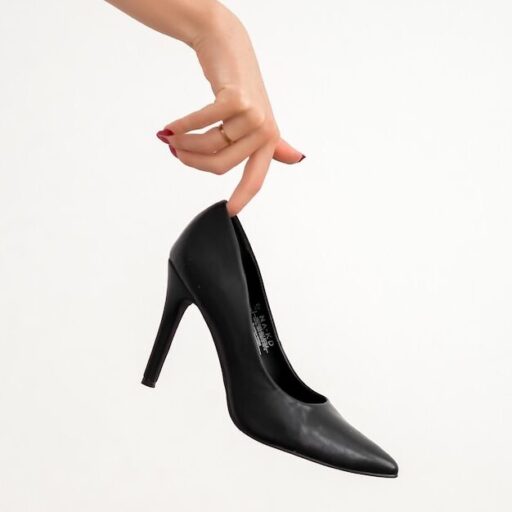
A high heel changes how your weight is distributed and can make balance more demanding. A wider heel, secure strap, and moderate pitch may feel steadier than a narrow stileto, but comfort still depends on the shoe and wearer. The Cleveland Clinic’s overview of high heels explains some of the potential effects of prolonged wear.
Our event-shoe checklist:
- Try the shoes at the time of day you expect to wear them.
- Walk, turn, and stand still in them—not just pose in the mirror.
- Check that straps don’t cut in or slide.
- Consider the event surface: grass and narrow heels are not natural allies.
- Bring a backup pair if you’ll be on your feet for hours.
Explore high heels for more style ideas. For formal options, Gianvito Rossi, Amina Muaddi, Malone Souliers, and Paris Texas offer very different takes on statement footwear.
Boots, Ankle Boots, and Sandals
Boots and sandals need a different fit check from closed-toe flats. Boots should accommodate the ankle or calf without uncomfortable pressure, while sandals should hold the foot securely instead of asking your toes to grip for dear life.
- Boots: check shaft height, calf width, zipper placement, sole grip, and whether you need room for thicker socks.
- Sandals: adjust straps to hold the foot without rubbing, and check whether the heel and forefoot stay on the footbed.
- Weather: examine care instructions and avoid assuming a fashion boot is waterproof.
- Seasonal versatility: neutrals often pair easily, while a statement shape can make a simple outfit feel intentional.
Brands range from practical Birkenstock and Clarks styles to minimalist A. Emery designs, fashion-led Vagabond boots, and luxury options from Paris Texas or Neous.
Comfort, Work, and Performance Shoes
For work, comfort is not one aesthetic. A nurse, a retail associate, and an office commuter may each need different levels of cushioning, slip resistance, coverage, and formality.
| Need | Features to look for | Brands to explore |
|---|---|---|
| Long standing or walking | Secure fit, stable outsole, suitable cushioning | Brooks, Hoka, New Balance, Skechers |
| Office wear | Stable sole, comfortable toe box, appropriate dress code | Clarks, Ecco, Naturalizer, Vagabond |
| Performance training | Activity-specific design and secure lockdown | Nike, Adidas, ASICS, New Balance |
| Casual comfort | Easy fit, manageable weight, everyday versatility | Birkenstock, Skechers, Rothy’s, Ecco |
For persistent foot pain or a medical condition, seek individualized clinical advice rather than relying on a brand list.
35 Women’s Shoe Brands Worth Knowing
This list spans performance, everyday comfort, contemporary fashion, and luxury. We’ve included each brand’s strongest general identity, while keeping one rule in view: a brand is not a substitute for trying the individual shoe.
ELE’s editorial guide highlights labels such as Vagabond, A. Emery, Rothy’s, Manu Atelier, Le Monde Beryl, Dear Frances, St. Agni, Charles & Keith, Nomasei, Essen, Vivaia, Dirt, Gianvito Rossi, Neous, Lili Curia, Nodaleto, Amina Muaddi, Paris Texas, Malone Souliers, and Reformation. Those are useful style leads; the notes below add practical shopping considerations.
| Brand | Broad strength | Best starting point | Keep in mind |
|---|---|---|---|
| Nike | Athletic and lifestyle footwear | Sneakers and training shoes | Compare models by activity |
| Adidas | Sport and casual sneakers | Everyday and sport styles | Fit can vary by model |
| New Balance | Athletic and lifestyle range | Walking and running lines | Look at width availability |
| ASICS | Performance running | Running shoes | Choose for your intended activity |
| Hoka | Cushioned performance shoes | Running and walking models | Higher-volume cushioning won’t suit everyone |
| Brooks | Running-focused footwear | Running models | Consider gait and fit with expert help |
| Skechers | Casual and comfort styles | Walking sneakers | Compare support and outsole construction |
| Vans | Skate-inspired casual shoes | Canvas and casual sneakers | Flat profiles are not the same as running shoes |
| Converse | Classic canvas styles | Chuck Taylor sneakers | Check fit and cushioning needs |
| Birkenstock | Footbed-led sandals and clogs | Sandals and casual shoes | Footbed feel is personal |
| Clarks | Casual and dress footwear | Everyday shoes and boots | Explore styles individually |
| Ecco | Comfort-oriented casual and dress shoes | Walking and work styles | Check the specific line and fit |
| Naturalizer | Women’s dress and casual shoes | Work shoes and pumps | Confirm width and heel fit |
| Sam Edelman | Contemporary fashion shoes | Flats, boots, and heels | Style-first designs still need fit checks |
| Steve Madden | Trend-driven fashion footwear | Boots, heels, and casual shoes | Comfort and materials vary by model |
| Vagabond | Contemporary Scandinavian design | Boots, loafers, and flats | Inspect outsole and fit for your use |
| A. Emery | Minimalist sandals and boots | Simple leather-look silhouettes | Minimal design may mean less cushioning |
| Rothy’s | Knit flats and casual shoes | Washable-style flats | Follow the brand’s exact care instructions |
| Manu Atelier | Fashion-led statement footwear | Boots and loafers | Check construction and fit before ordering |
| Le Monde Beryl | Refined flats and Mary Janes | Ballet flats and Mary Janes | Confirm strap fit and toe shape |
| Dear Frances | Polished contemporary footwear | Flats, heels, and evening styles | Compare heel height and materials by model |
| St. Agni | Minimalist contemporary shoes | Sandals, loafers, and flats | Simplicity can leave little room to disguise fit issues |
| Charles & Keith | Fashion-forward accessories and shoes | Trend-led shoes and bags | Verify materials and care for the specific style |
| Nomasei | Paris-designed, Italian-made fashion footwear | Flats and loafers | A press mention isn’t proof of universal comfort |
| Essen | Understated wardrobe essentials | Flats and pumps | Look for product-specific construction details |
| Vivaia | Knit flats and sneaker-inspired styles | Flats and casual shoes | Check care and fit instructions |
| Dirt | Unconventional casual footwear | Statement sandals and slides | Distinctive looks may be less versatile |
| Gianvito Rossi | Luxury dress shoes | Pumps, sandals, and flats | Consider heel height and event duration |
| Neous | Sculptural contemporary luxury | Boots, sandals, and heels | Architectural shapes may need careful fitting |
| Lili Curia | Romantic, statement boots | Lace-up and fashion boots | Check shaft fit and wearability |
| Nodaleto | Bold retro-inspired shoes | Mary Janes and statement heels | Chunky designs can feel different in weight |
| Amina Muaddi | Glamorous evening shoes | Statement heels and mules | Match heel design to the occasion surface |
| Paris Texas | Western-inspired statement footwear | Boots and party shoes | Statement shapes may be less everyday-friendly |
| Malone Souliers | Luxury dress and occasion shoes | Pumps, mules, and embellished styles | Check strap placement and event comfort |
| Reformation | Fashion shoes with sustainability claims | Sandals, boots, and occasion styles | Review current product-level material details |
1. Nike
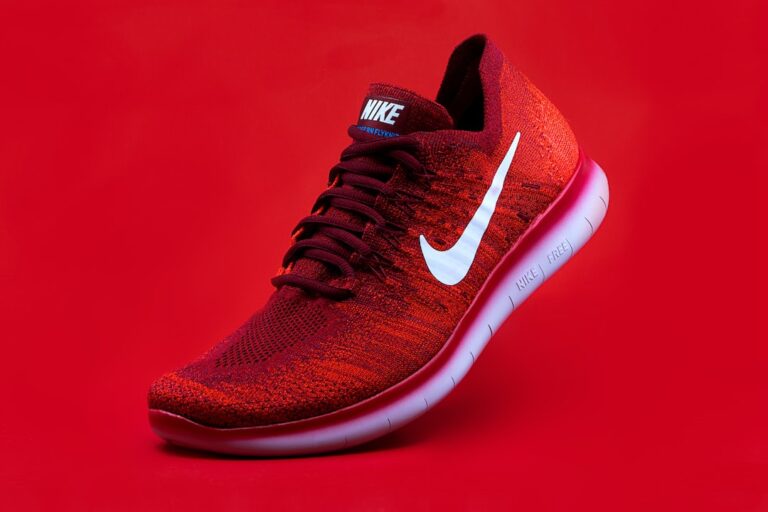
Nike is a major name in women’s athletic and lifestyle footwear, from performance trainers to everyday sneakers. Its breadth is a strength: you can shop for a specific activity rather than expecting one pair to do every job.
Good for: sport, training, and casual sneaker styling.
Watch for: differences in fit, cushioning, and purpose between models.
Stylist tip: choose the activity first, then compare the corresponding shoe category.
2. Adidas
Adidas blends sports heritage with popular casual silhouettes. Its range includes sport-oriented shoes and familiar streetwear styles, making it an easy brand to consider for everyday sneakers.
Good for: athletic-inspired casual wear and sport-specific options.
Watch for: a lifestyle sneaker is not automatically designed for running or long-distance walking.
3. New Balance
New Balance offers running, walking, and lifestyle shoes, with selected styles available in different widths. For people who find standard-width sneakers cramped, checking the width options may be as important as choosing the model.
Good for: a broad athletic and everyday selection.
Watch for: fit differs across lines; use the individual size guide.
4. ASICS
ASICS is particularly associated with running and performance footwear. If you’re shopping for running, start with the model’s intended use and fit rather than choosing by colorway alone.
Good for: running and sport-focused designs.
Watch for: running shoes are specialized; they may not be the ideal casual shoe for everyone.
5. Hoka
Hoka is known for distinctive cushioning and performance-inspired designs. Some people appreciate the plush feel; others prefer a lower-profile sensation.
Good for: shoppers seeking cushioned athletic footwear.
Watch for: cushioning is a preference, not a universal comfort prescription.
6. Brooks
Broks focuses on running footwear and related gear. For a running shoe, an in-person fitting at a specialist retailer can help you compare comfort and fit across brands.
Good for: runners looking for a brand with a dedicated running range.
Watch for: individual fit and running needs vary; don’t select a shoe solely from someone else’s review.
7. Skechers
Skechers carries a broad mix of casual, walking, work, and sport-inspired shoes. It’s a useful place to browse if convenience and everyday wear are your priorities.
Good for: casual footwear and a varied comfort-oriented selection.
Watch for: models differ in support, outsole, and intended activity.
8. Vans
Vans brings skate-inspired design to casual footwear. Its low-profile styles pair easily with jeans, skirts, and relaxed outfits.
Good for: casual, streetwear, and canvas-shoe styling.
Watch for: a flat casual sneaker isn’t designed to replace a running shoe.
9. Converse
Converse is best known for iconic canvas sneaker silhouettes. They’re easy to style and have a strong casual identity, but the feel can differ from more cushioned athletic shoes.
Good for: classic casual looks.
Watch for: check the fit and comfort for the amount of walking you plan to do.
10. Birkenstock
Birkenstock is known for sandals, clogs, and footbed-based designs. Many shoppers choose it for casual comfort, but the shape and feel of a contoured footbed won’t suit every foot.
Good for: casual sandals and relaxed everyday shoes.
Watch for: try the footbed carefully and follow the brand’s fitting guidance.
11. Clarks
Clarks offers boots, flats, sandals, and dress-casual shoes. Its broad range makes it a practical label to consider when you want a shoe that looks polished without being overtly formal.
Good for: everyday, work, and casual dress shoes.
Watch for: evaluate each model’s toe shape, footbed, and outsole rather than assuming every style fits alike.
12. Ecco
Ecco makes casual, dress, outdoor, and comfort-oriented footwear. It’s worth a look if you want understated designs and a wide range of practical options.
Good for: casual and workday shoes.
Watch for: verify the fit and materials of the specific style you’re considering.
13. Naturalizer
Naturalizer focuses on women’s dress and casual footwear, including flats, sandals, and heels. Its range is useful when shopping for office or occasion styles with comfort in mind.
Good for: dressier shoes and everyday work options.
Watch for: heel height and width availability vary by style.
14. Sam Edelman
Sam Edelman offers fashion-forward flats, boots, sandals, and heels. The label is a strong starting point for polished pieces that can work across outfits.
Good for: contemporary fashion staples.
Watch for: try pointed-toe styles especially carefully if you need more forefoot room.
15. Steve Madden
Steve Madden is known for trend-led footwear, including boots, heels, sandals, and sneakers. Its styles can make a simple outfit feel more current without requiring a full wardrobe overhaul.
Good for: fashion trends and statement shapes.
Watch for: materials, construction, and comfort can vary considerably between designs.
16. Vagabond
Vagabond is a Swedish footwear label known for contemporary boots, flats, loafers, and sandals. ELE highlights the brand’s wear-all-day flats and durable-looking, modern silhouettes, but “wear-all-day” remains a personal fit test—not a guarantee.
Good for: modern everyday shoes with a fashion edge.
Watch for: check the weight, sole, and toe shape in person if possible.
17. A. Emery
A. Emery takes a minimalist approach to footwear, including pared-back sandals and boots. The clean lines are easy to style, especially in a streamlined wardrobe.
Good for: simple, understated silhouettes.
Watch for: minimal uppers and slim soles may feel less protective than more substantial designs.
18. Rothy’s
Rothy’s is known for knit flats and other casual styles. The company describes its materials and care features on its own site; check the current product page for the exact composition and washing instructions of the model you’re considering.
Good for: flats and everyday shoes with a textile-knit look.
Watch for: fit and stretch can vary by design; follow the care label rather than assuming every pair is machine-washable.
19. Manu Atelier
Manu Atelier is a fashion label with statement shoes alongside its accessories. ELE calls out its distinctive boots, loafers, and mules, which suit shoppers looking for an outfit-defining piece.
Good for: fashion-forward statement footwear.
Watch for: before buying a distinctive shape, check how it works with your wardrobe and how often you’ll wear it.
20. Le Monde Beryl
Le Monde Beryl is known for refined flats and Mary Jane-inspired designs. Its elegant, delicate shapes can give a simple outfit a more considered finish.
Good for: ballet flats and polished feminine styles.
Watch for: check strap placement, toe-box shape, and sole feel for your daily use.
21. Dear Frances
Dear Frances offers polished flats, boots, and heels, including styles with distinctive materials or details. Its designs work for shoppers who want a special piece that still feels wearable beyond one event.
Good for: sophisticated everyday and occasion footwear.
Watch for: decorative details can require more careful cleaning and storage.
22. St. Agni
St. Agni favors modern, minimalist design across shoes and clothing. Sandals, loafers, and slip-on styles are especially relevant if you like quiet lines rather than obvious branding.
Good for: minimalist wardrobes and understated footwear.
Watch for: simple shoes can be less forgiving if the fit is slightly off.
23. Charles & Keith
Charles & Keith is a Singapore-founded fashion brand offering shoes, bags, and accessories. ELE describes it as a source of viral, trend-led pieces; check the exact product details to distinguish visual appeal from long-term wearability.
Good for: trend-driven footwear and coordinated accessories.
Watch for: evaluate the construction, materials, and return policy model by model.
24. Nomasei
Nomasei is a Paris-designed footwear label that describes its shoes as made in Italy. ELE highlights its flats and loafers; one editor’s reported high step count in a pair is anecdote, not a promise that the same shoe will fit everyone.
Good for: refined flats and distinctive loafers.
Watch for: check size guidance, toe shape, and how the leather feels against your foot.
25. Essen
Essen presents pared-back footwear designed as wardrobe essentials. ELE describes a “buy fewer, better” approach; we’d add a practical test: choose the designs you’ll genuinely wear often and can care for properly.
Good for: understated, capsule-wardrobe styles.
Watch for: check current product specifications and material information.
26. Vivaia
Vivaia is known for knit flats, casual shoes, and sneaker-inspired styles. It discusses materials and product features on its site; environmental and comfort claims should be checked against the exact item, not generalized across the entire catalog.
Good for: knit flats and easy-to-style casual footwear.
Watch for: read the cleaning instructions and sizing guidance carefully.
27. Dirt
Dirt is a smaller, unconventional label discussed in ELE’s brand guide for statement flip-flop-inspired styles and playful, sporty references. Because collections and availability can change, check the label’s current official channels before shopping.
Good for: shoppers seeking something unusual and fashion-led.
Watch for: make sure the shoe’s support and durability match how you plan to wear it.
28. Gianvito Rossi
Gianvito Rossi is a luxury footwear house known for elegant pumps, sandals, flats, and boots. ELE presents the label as an occasionwear favorite; its sleek designs can beautiful, but heel height and event duration deserve a practical review.
Good for: formal events and refined statement shoes.
Watch for: test the fit and stability before a long event.
29. Neous
Neous creates sculptural contemporary footwear with architectural lines. The designs offer a more directional alternative to classic pumps or boots.
Good for: shoppers drawn to modern shapes and standout design.
Watch for: unusual heel or toe shapes may feel different from familiar styles.
30. Lili Curia
Lili Curia is known in fashion coverage for romantic, gothic-inspired boots and expressive lace-up details. Check current brand availability and product information before purchasing, as smaller labels may change collections or stockists.
Good for: statement boots and alternative styling.
Watch for: verify shaft fit, care instructions, and the source’s return policy.
31. Nodaleto
Nodaleto is recognized for bold, retro-inspired designs, including substantial heels and Mary Jane silhouettes. Its statement shoes can transform an outfit, though their look may not be everyone’s everyday choice.
Good for: dramatic, fashion-forward footwear.
Watch for: consider weight, heel stability, and how the shoes feel after prolonged wear.
32. Amina Muaddi
Amina Muaddi designs glamorous heels and statement footwear. ELE highlights the label’s signature heel shapes and evening styles, which are ideal when the shoes are meant to be part of the outfit.
Good for: event dressing and high-impact looks.
Watch for: a heel that looks stable in a photo still needs to be tested on the actual event surface.
33. Paris Texas
Paris Texas combines fashion-forward design with Western influences, including boots and statement heels. ELE notes its celebrity visibility and party-ready aesthetic.
Good for: bold boots and memorable evening footwear.
Watch for: statement designs may be less versatile than a neutral everyday boot.
34. Malone Souliers
Malone Souliers is a luxury footwear label known for distinctive straps, cutaways, and occasion styles. Its shoes can make a look feel considered without relying on heavy embellishment.
Good for: statement flats, pumps, mules, and event dressing.
Watch for: straps and cutouts should sit comfortably and securely on your foot.
35. Reformation
Reformation offers fashion footwear and publishes information about its sustainability efforts. ELE reports the brand paused and relaunched its shoe line while working on production improvements. For environmental claims, read the current product-level details and methodology rather than assuming every shoe has identical impacts.
Good for: fashion-led styles from a brand that discusses sustainability.
Watch for: verify the materials, care, and current impact information for the product itself.
Best Women’s Shoe Brands by Need
A useful shortlist is better than a giant list when you’re shopping with a specific problem in mind. Here are starting points by need—not rankings or guarantees.
Best Brands for Walking and All-Day Comfort
Consider New Balance, Brooks, Hoka, ASICS, Skechers, Ecco, Clarks, and Birkenstock. Their ranges include different types of walking or casual footwear, so compare the specific model, not just the logo.
- For sustained walking, prioritize fit, grip, and the shoe’s intended use.
- For a workday, check whether the shoe holds your heel securely.
- For casual wear, try the shoe with the socks you normally wear.
- If you have foot pain, seek personalized advice from a qualified health professional.
Browse comfort shoes for more options.
Best Brands for Work and Office Shoes
For classic flats, pumps, and loafers, look at Naturalizer, Clarks, Ecco, Vagabond, Sam Edelman, and Rothy’s. For a more formal wardrobe, consider selected styles from Dear Frances, Gianvito Rossi, or Malone Souliers.
Our work-shoe test: wear them around the house for 15–20 minutes, including stairs and standing. A shoe that feels secure while seated may reveal heel slipping once you start moving.
Best Brands for Running and Training
Nike, Adidas, New Balance, ASICS, Hoka, and Brooks all offer athletic footwear. The right choice depends on the sport, fit, and comfort—not which brand is most talked about.
- Identify the activity and how often you’ll do it.
- Shop the relevant category rather than a lifestyle shoe.
- Try the pair with your usual training socks.
- Walk or run in them if the retailer permits.
- Ask a specialist for help if you have recurring discomfort or a history of injury.
Best Brands for Wide Feet and Hard-to-Fit Sizes
New Balance and some larger athletic brands offer selected styles in multiple widths; availability varies by model and region. Naturalizer and other women’s footwear retailers may also list wide-fit options. Always filter by the actual width marking, then confirm the size chart and return policy.
If you have a high instep, bunion, or unusually narrow heel, toe-box width alone may not solve the fit. Try multiple shapes, and consult a clinician if footwear causes persistent pain.
Best Affordable and Mid-Range Shoe Brands
For fashion and everyday options, start with Skechers, Vans, Converse, selected Adidas styles, Charles & Keith, Steve Madden, and selected Sam Edelman designs. For longevity, compare construction, care needs, and how often you expect to wear the shoe rather than using brand tier as your only guide.
A lower-cost pair that fits well and suits your routine can be a better purchase than a premium pair you rarely reach for.
Best Designer and Luxury Shoe Brands
For luxury and designer footwear, consider Gianvito Rossi, Amina Muaddi, Malone Souliers, Neous, Nodaleto, Paris Texas, Manu Atelier, and Le Monde Beryl. Browse our designer shoes category for more ideas.
Luxury can mean distinctive design, craftsmanship, materials, or brand heritage—but it does not guarantee comfort, repairability, or a perfect fit. For occasion shoes, match the heel and outsole to the event.
Best Vegan and Lower-Impact Shoe Brands
Rothy’s and Vivaia discuss recycled or alternative materials in parts of their collections, while Reformation publishes sustainability-related information. Individual products may differ, so inspect their current material disclosures.
For a more careful comparison:
- Identify whether the shoe is fully vegan or only contains some animal-free components.
- Look for a clear breakdown of materials.
- Check how the shoe can be cleaned or repaired.
- Seek substantiation for environmental claims.
- Consider how frequently you’ll use the pair.
The FTC Green Guides are a helpful reminder that broad terms such as “eco-friendly” need context.
Women’s Shoe Brand Comparison: Style, Comfort, and Specialty
Use this table as a discovery tool, not a scorecard. Comfort varies by person and model.
| Brand | Main style lane | Common shoe types | Best for | Practical check |
|---|---|---|---|---|
| Nike | Sport and lifestyle | Sneakers, training shoes | Athletic and casual wear | Confirm activity-specific design |
| New Balance | Sport and casual | Running, walking, sneakers | Broad everyday selection | Check width and fit |
| ASICS | Performance | Running shoes | Running-focused shopping | Match model to use |
| Hoka | Cushioned performance | Running and walking | Plush-fel seekers | Test cushioning preference |
| Brooks | Running | Running shoes | Dedicated runners | Consider a specialist fitting |
| Clarks | Casual and dress-casual | Flats, boots, loafers | Work and everyday wear | Check sole and toe shape |
| Birkenstock | Casual comfort | Sandals, clogs | Relaxed everyday outfits | Test footbed feel |
| Naturalizer | Dress and casual | Hels, flats, sandals | Office and occasion styles | Confirm width and heel fit |
| Rothy’s | Knit casual | Flats, sneakers | Washable-style casual footwear | Check product care instructions |
| Vagabond | Contemporary fashion | Boots, flats, loafers | Everyday fashion | Assess weight and fit |
| Charles & Keith | Trend-led | Hels, boots, flats | Fashion-focused styling | Check product materials |
| Gianvito Rossi | Luxury | Pumps, sandals, flats | Events and formal outfits | Test wear time and stability |
| Amina Muaddi | Statement luxury | Hels, mules | Evening looks | Consider surface and balance |
| Reformation | Contemporary fashion | Sandals, heels, boots | Style with published sustainability information | Read product-level disclosures |
To compare two shortlisted pairs, score each from 1–5 in fit, comfort, function, versatility, care, and return flexibility. The winner may not be the prettiest shoe in the box. It’s the one you’ll be happy to wear.
Women’s Shoe Trends to Watch
Trends are most useful when they work with your wardrobe. A trend can inspire a new shape or color without requiring a full closet reinvention.
Trending Sneakers, Flats, and Loafers
Current fashion coverage frequently revisits ballet flats, Mary Janes, slim sneakers, and loafers. ELE’s brand guide points to the ongoing appeal of Le Monde Beryl-style Mary Janes, Nomasei flats, and Vivaia’s sneaker-inspired styles. But trend coverage is a snapshot, not a forecast you need to obey.
Try the trend in a form that fits your routine:
- Mary Janes: check strap placement and adjustability.
- Ballet flats: look for heel hold and a sole suited to your walking.
- Loafers: check instep pressure and toe-box space.
- Slim sneakers: make sure the fit suits your foot and activity.
Trending Boots, Hels, and Statement Shoes
Statement boots, sculptural heels, and Western-inspired designs remain strong tools for outfit-building. Paris Texas, Neous, Nodaleto, Malone Souliers, and Amina Muaddi offer expressive examples, while Vagabond and Sam Edelman provide more everyday-friendly fashion options.
The trick is balancing a dramatic shoe with a practical wardrobe. One striking pair can earn its keep if it works with several outfits—and if you can walk in it.
How to Care for Shoes and Make Them Last
Care starts with the material. Leather, suede, knit, canvas, rubber, and synthetic uppers don’t all respond to the same cleaning method. Follow the maker’s instructions, and test any product on a discreet area first.
- Brush off dirt promptly. Use a soft brush or cloth appropriate to the material.
- Let wet shoes dry naturally. Keep them away from direct heat, which can damage materials.
- Use shoe trees or stuffing for structured shoes to help maintain shape.
- Rotate pairs when possible so shoes can air out between wears.
- Store away from direct sunlight and moisture.
- Use material-specific protection only when recommended by the brand.
- Address worn soles or loose heels early by asking a qualified repairer whether the shoe can be fixed.
For additional care guidance, the American Leather Chemists Association provides information on leather science and care topics. Always defer to the shoe maker’s own instructions for its particular materials.
Where to Shop for Women’s Shoes
You can buy directly from a brand, shop a department or specialty retailer, or compare selections at a multi-brand store. A good retailer should make sizing, materials, shipping, and returns clear.
The Shoe Carnival women’s shoe page is a broad retailer destination for browsing women’s footwear. The supplied competitor summary reports that its page displayed a security-verification notice rather than accessible product information during review, so we wouldn’t treat that page alone as evidence for a specific recommendation or product claim.
Buying Direct from a Brand or Retailer
Buying direct can help you find the full size range, official product details, and brand-specific care instructions. Multi-brand shops can make it easier to compare labels side by side.
Before ordering, check:
- Whether the seller is authorized.
- The full size and width chart.
- Materials and care instructions.
- Return deadlines and condition requirements.
- Shipping restrictions and warranty or repair policies.
How to Shop Online and Check Return Policies
Online shoe shopping works best when you treat the first order as a fit test.
- Measure both feet and compare with the brand’s current chart.
- Read recent reviews for the specific model, looking for repeated fit themes.
- Check if reviewers mention foot width, instep height, or sock thickness.
- Try the shoes indoors on a clean surface.
- Keep the packaging until you’re sure the fit works.
- Return promptly if the shoe pinches, slips, rubs, or feels unstable.
Customer reviews are useful for spotting patterns, but they are personal reports—not controlled fit tests. One reviewer’s “perfect fit” may reflect a different foot shape.
How to Spot Counterfeit Designer Shoes
Counterfeit footwear can be difficult to identify from a single photo. The U.S. Customs and Border Protection explains consumer risks associated with counterfeit goods. For luxury purchases:
- Buy from the brand or a reputable, authorized retailer.
- Be cautious of listings that use stock photos only.
- Compare the seller, packaging, product details, and return policy.
- Ask for authentication documentation where applicable.
- Avoid treating a logo or dust bag as proof of authenticity.
For a luxury purchase, a transparent seller is part of the product.
Conclusion