Support our educational content for free when you purchase through links on our site. Learn more
Athletic Shoe Brands: 50+ Names Worth Knowing 👟

The best athletic shoe brands are the ones that fit your feet and suit what you do—not simply the ones with the biggest logos. Start with your activity, whether that’s road running, trail hiking, court sports, gym training, or everyday walking, then compare specific models for fit, comfort, and traction.
We’ve seen shoppers fall for a sleek pair on the shelf, only to discover that the toe box feels like it was designed for someone else’s feet. A little fit-checking goes a long way: even a celebrated brand can’t make the wrong shoe feel right.
Key Takeaways
- Choose by activity first: Running, walking, gym workouts, and court sports have different footwear needs.
- Compare specific models, not just brand names: Fit and feel can vary widely within the same brand.
- Try a shortlist: Nike, adidas, New Balance, ASICS, Brooks, HOKA, Saucony, On, Puma, and Skechers are useful starting points for different needs.
- Check width, cushioning, traction, and stability before making your choice.
- Don’t buy based on hype alone: Comfort, fit, and intended use matter more than a logo or price tag.
Table of Contents
- ⚡ Quick Tips and Facts: Athletic Shoe Brands at a Glance
- 👟 What Counts as an Athletic Shoe Brand?
- 🕰️ How Athletic Shoe Brands Evolved: A Brief History
- 🏆 The Cornerstones: Leading Athletic Shoe Brands
- Nike
- Adidas
- New Balance
- ASICS
- Puma
- Broks
- HOKA
- Saucony
- On
- Skechers
- 🔤 Athletic Shoe Brands A to Z
- 0–9: Brands With Numbers in Their Names
- A: Athletic Shoe Brands Starting With A
- B: Athletic Shoe Brands Starting With B
- C: Athletic Shoe Brands Starting With C
- D: Athletic Shoe Brands Starting With D
- E: Athletic Shoe Brands Starting With E
- F: Athletic Shoe Brands Starting With F
- G: Athletic Shoe Brands Starting With G
- H: Athletic Shoe Brands Starting With H
- I: Athletic Shoe Brands Starting With I
- J: Athletic Shoe Brands Starting With J
- K: Athletic Shoe Brands Starting With K
- L: Athletic Shoe Brands Starting With L
- M: Athletic Shoe Brands Starting With M
- N: Athletic Shoe Brands Starting With N
- O: Athletic Shoe Brands Starting With O
- P: Athletic Shoe Brands Starting With P
- Q: Athletic Shoe Brands Starting With Q
- R: Athletic Shoe Brands Starting With R
- S: Athletic Shoe Brands Starting With S
- T: Athletic Shoe Brands Starting With T
- U: Athletic Shoe Brands Starting With U
- V: Athletic Shoe Brands Starting With V
- W: Athletic Shoe Brands Starting With W
- X: Athletic Shoe Brands Starting With X
- Y: Athletic Shoe Brands Starting With Y
- Z: Athletic Shoe Brands Starting With Z
- 🏃 Best Athletic Shoe Brands by Sport and Activity
- Running and Trail Running
- Walking and Everyday Wear
- Training, Gym Workouts, and Cross-Training
- Basketball and Court Sports
- Socer, Football, and Field Sports
- Tennis, Pickleball, and Other Racket Sports
- Hiking and Outdoor Adventures
- 🦶 Find the Right Athletic Shoe Brand for Your Foot
- Wide Feet, Narrow Feet, and Size Options
- Arch Shape, Pronation, and Stability
- Cushioning, Heel Drop, and Shoe Weight
- Orthotics and Removable Insoles
- 🔍 How to Choose the Best Athletic Shoe Brand for You
- Match the Shoe to Your Activity
- Get the Right Fit and Size
- Understand Shoe Technology and Materials
- Try-On Tips for a Better Fit
- 🧵 Athletic Shoe Construction, Materials, and Technology
- Midsoles, Foam, and Energy Return
- Outsoles, Grip, and Durability
- Uppers, Breathability, and Waterproofing
- Carbon-Plated and Minimalist Shoes
- ♻️ Sustainability and Ethical Practices at Athletic Shoe Brands
- 🧼 How to Care for Athletic Shoes and Make Them Last
- ❓ Athletic Shoe Brand FAQs
- Which athletic shoe brands are best for running?
- Which brands make athletic shoes for wide feet?
- Are expensive athletic shoe brands better?
- How often should you replace athletic shoes?
- Can you use running shoes for walking or the gym?
- 🤝 Help Us Grow This Athletic Shoe Brand Directory
- 📚 Keep Exploring Athletic Shoe History
- 💬 Sneakers, Stories, and People
- ✅ Conclusion
- 🔗 Recommended Links
- 📖 Reference Links
⚡ Quick Tips and Facts: Athletic Shoe Brands at a Glance
Welcome to Shoe Brands™’ field guide to athletic shoe brands, from everyday walking sneakers to trail shoes with enough grip to make a muddy hill feel less like a prank. We style and assess footwear by asking a practical question first: What do you want your shoes to do?
If your priority is everyday comfort or outfit versatility, browse our guides to comfort shoes, casual shoes, and athletic shoes. For a dressier contrast, see 🚀 15 Top Non-Athletic Shoe Brands for Men (2026).
| Quick question | Our stylist answer |
|---|---|
| Best first step? | Choose by activity and fit, not by logo or hype. |
| Do brands fit alike? | No. A size 9 in one brand may feel different from a size 9 in another. |
| Best all-round running shortlist? | Start with Broks, ASICS, New Balance, Saucony, Nike, HOKA, and On, then try the specific models. |
| Best for gym lifting? | Look for a stable, relatively firm platform; a highly cushioned running shoe may feel wobbly under heavy loads. |
| Best for wide toes? | Compare width options and anatomical toe boxes from brands such as New Balance, Brooks, Altra, Topo Athletic, and ASICS. |
| Does cushioning automatically mean comfort? | No. The shoe has to match your foot, pace, surface, and preference. |
| How long do running shoes last? | Mileage is a useful guide, not a warranty. The American Academy of Podiatric Sports Medicine suggests replacing running shoes around 300–500 miles, depending on use and wear. Source |
Quick fit check: Your toes should have room to spread, your heel should feel secure, and the shoe should feel comfortable right away. We don’t recommend buying a “break-in project” and hoping your feet learn to negotiate.
👟 What Counts as an Athletic Shoe Brand?
An athletic shoe brand makes footwear designed for sport, exercise, movement, or active everyday use. Some specialize in one discipline; others span running, court sports, training, hiking, and lifestyle sneakers.
The edges blur. A technical running shoe can become a street-style favorite, while a classic court sneaker may be worn more often with jeans than during a tennis match. That overlap is why a useful directory needs more than a list of swoshes and stripes.
| Brand type | Typical footwear | Examples |
|---|---|---|
| Performance running | Road, trail, racing, stability, daily trainers | Broks, ASICS, Saucony |
| Multisport athletic | Running, training, basketball, lifestyle | Nike, adidas, Puma |
| Outdoor and trail | Hiking shoes, trail runners, approach shoes | Salomon, La Sportiva, Altra |
| Court and field sports | Tennis, basketball, soccer, volleyball | Wilson, Mizuno, New Balance |
| Athletic heritage and lifestyle | Canvas, retro runners, court-inspired sneakers | Converse, Rebok, K-Swiss |
Our distinction: “Athletic” describes intended use, not necessarily current use. A retro sneaker can be part of athletic-shoe history without being the right tool for a long run.
🕰️ How Athletic Shoe Brands Evolved: A Brief History

Athletic footwear grew from practical needs: grip, protection, stability, and a lighter way to move. Over time, sports shoes became cultural objects too—worn on the track, the basketball court, the sidewalk, and eventually with outfits that have never seen a locker room.
A useful historical perspective comes from Sneaker History’s A–Z directory, which observes that “no brand stays in one lane forever.” That’s a fair summary: performance technology migrates into lifestyle designs, while heritage sneakers often return as fashion favorites.
A few landmarks help explain the modern shoe wall:
- New Balance traces its origins to 1906, while ASICS grew from Onitsuka Tiger, established in 1949. New Balance history | ASICS company history
- Nike began as Blue Ribbon Sports in 1964 and adopted the Nike name in 1971. Nike company history
- Adidas was registered in 1949; its three-stripe identity became one of sport’s most recognizable marks. Adidas history
- HOKA, founded in 2009, helped bring maximalist cushioning into the running mainstream. HOKA
- On, founded in Switzerland in 2010, built its running identity around CloudTec cushioning. On company story
Historical dates and brand origins can vary slightly across sources because a company’s founding, first product, first factory, and adoption of its modern name are not always the same event. We use official brand histories for company milestones and specialist directories for broader context.
🏆 The Cornerstones: Leading Athletic Shoe Brands
These ten brands give you a strong starting shortlist, not a universal podium. We assess them by range, recognizable strengths, product variety, and who may want to try them. One person’s cloud-like cushioning can be another person’s “why is the floor so far away?” moment.
| Brand | Known for | A good place to start | Possible drawback |
|---|---|---|---|
| Nike | Broad sport range, innovation, style | Running, basketball, training, lifestyle | Model fit and sizing vary across lines |
| Adidas | Running, football, court heritage, Boost and Lightstrike foams | Running, soccer, everyday sneakers | A popular lifestyle model may not suit serious training |
| New Balance | Running range, width choices, heritage styles | Walking, running, wide-foot options | Fit differs between models and production lines |
| ASICS | Running shoes, GEL cushioning, stability options | Road running, walking, court sports | Some models may feel structured or substantial |
| Puma | Football, running, training, fashion crossovers | Training, soccer, everyday wear | Performance depth varies by sport and model |
| Brooks | Running-focused fit and support options | Daily running, walking | Less breadth in some court and fashion categories |
| HOKA | Max-cushioning road and trail shoes | Long runs, walking, trail | High stack height is not everyone’s preference |
| Saucony | Running shoes and racing models | Daily training, road and trail running | Less familiar outside running circles |
| On | Distinctive cushioning and contemporary styling | Running, travel, everyday wear | Underfoot feel is divisive; try before committing |
| Skechers | Walking comfort and broad everyday selection | Walking, casual wear, some running | Performance experience varies considerably by line |
Nike
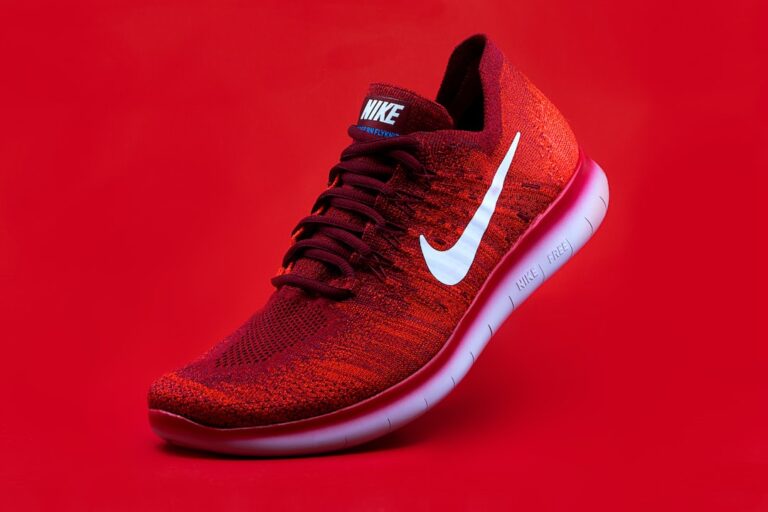
Nike is the broad-spectrum option: running, basketball, training, football, and lifestyle lines sit under one large roof. Nike Air, ZoomX, React, and other technologies appear across different shoe families, but technology names alone don’t tell you whether a shoe fits or performs well for your activity.
Good for: shoppers who want a wide selection, sport-specific lines, and strong style options.
Watch for: substantial differences in fit, cushioning, and purpose between models. A Nike Pegasus and a Nike Metcon are not interchangeable just because they share a parent brand.
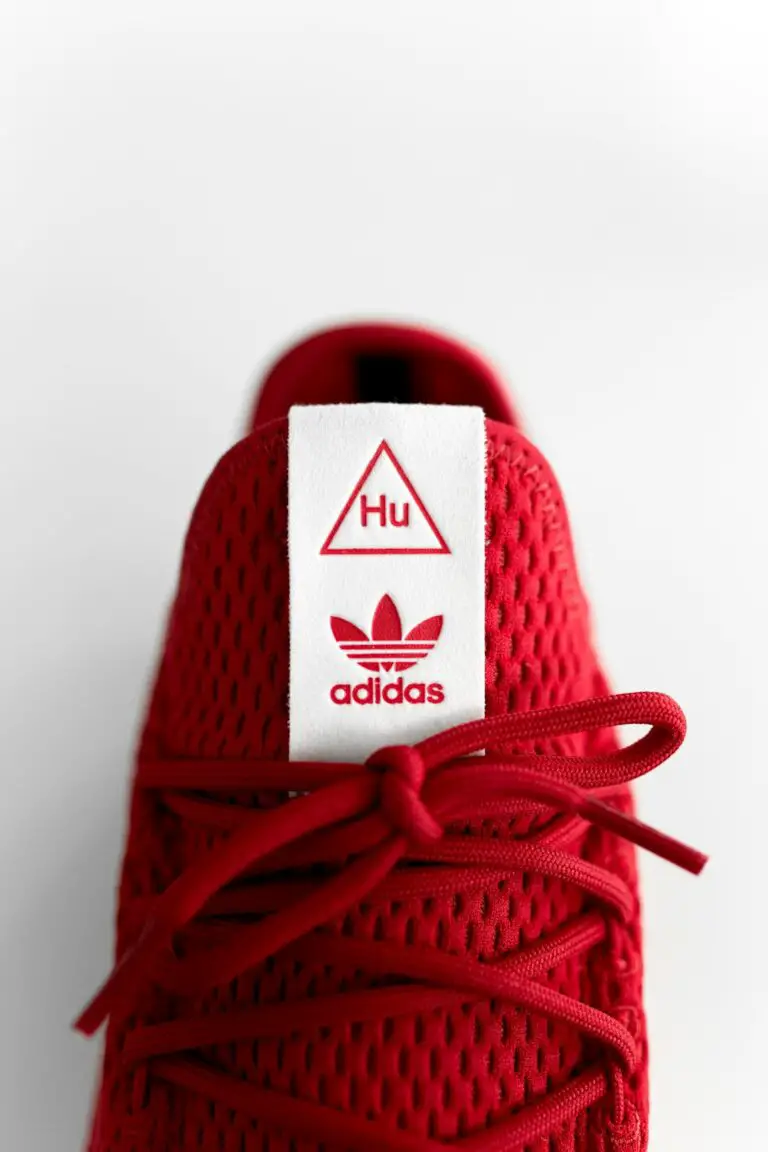
Adidas
Adidas covers running, football, training, and classic sneakers. Boost became a signature cushioning platform, while newer performance lines use different foam and plate designs. The brand also has a deep archive of court and terrace styles.
Good for: a mix of sport and streetwear, plus football-focused options.
Watch for: separating performance shoes from retro models. Your Sambas may be stylish; they are not a substitute for a purpose-built long-distance trainer.
New Balance
New Balance is especially appealing if you value running expertise, multiple widths, and a combination of technical and heritage styles. Models such as the Fresh Foam X 1080 and 990 series serve different needs, so don’t assume a lifestyle favorite has the same construction as a performance runner.
Good for: runners and walkers seeking varied fit options, plus shoppers who enjoy understated styling.
Watch for: checking the exact width and model. “New Balance runs wide” is too broad a rule to trust without trying the shoe.
ASICS
ASICS is strongly associated with road running and GEL cushioning. Its running families include neutral daily trainers, stability-oriented options, and performance-focused shoes. The brand also makes footwear for sports such as tennis and volleyball.
Good for: runners who want a clearly developed performance range and multiple support styles.
Watch for: a structured ride or firm feel in some models. Comfort is personal, so take a test walk or run.
Puma
Puma combines sport heritage with a confident fashion streak. Its catalog includes football boots, running shoes, training footwear, and lifestyle sneakers.
Good for: football, gym training, and athletic-inspired everyday outfits.
Watch for: choosing by category first. A fashion sneaker and a high-performance running shoe serve different jobs.
Broks
Broks focuses heavily on running. Its Ghost line is known as a neutral daily-trainer family, while Adrenaline GTS offers a support-focused option. Brooks describes its running-shoe range by use and support category on its shoe finder.
Good for: road runners and walkers who want a focused running catalog.
Watch for: Brooks’ strongest reputation is in running; it is not a one-brand solution for every sport.
HOKA
HOKA is known for substantial cushioning, rocker-shaped soles, and road and trail options. The Clifton and Bondi are popular starting points, but the best choice depends on your desired cushioning, fit, and running style.
Good for: people who enjoy a cushioned ride for training, walking, or long days on their feet.
Watch for: the higher stack and rocker feel. If you prefer a low-to-ground connection, try another style before deciding.
Saucony
Saucony has a long running heritage and offers daily trainers, trail shoes, and faster options. Its Triumph, Ride, Guide, and Endorphin families each target different preferences and purposes.
Good for: road runners who want a running-first brand with a range from daily miles to faster workouts.
Watch for: not every “fast” shoe is ideal for every runner or training day.
On
On is recognizable for its CloudTec outsole geometry and clean, contemporary styling. It offers running, hiking, and everyday footwear.
Good for: shoppers drawn to a distinct look and a firmer, lively underfoot sensation in some models.
Watch for: those visible pods can collect grit, and the ride won’t be everyone’s favorite. Try a short walk before a full-day commitment.
Skechers
Skechers has a broad assortment spanning walking, lifestyle, work, and performance. Its comfort-focused lines and hands-free slip-ins have helped make it a familiar choice for everyday footwear.
Good for: casual walking, convenience, and a broad fit and style selection.
Watch for: checking the exact line and intended activity; a walking shoe, work shoe, and running shoe can feel very different.
🔤 Athletic Shoe Brands A to Z
This directory is deliberately broad. The Wikipedia category index for athletic shoe brands offers a useful starting point, while noting that categories “may not reflect recent changes.” Specialist directories include more heritage, outdoor, court, and emerging labels. We combine those perspectives without treating every name as an equal recommendation for every sport.
0–9: Brands With Numbers in Their Names
- 361° (361 Degrees): Chinese sportswear brand with running and basketball footwear. Official site
- 2XU: Better known for performance apparel and compression gear than athletic shoes. Official site
- 5.11 Tactical: Primarily tactical footwear and gear; not a mainstream running-shoe specialist. Official site
- D.A.T.E.: Fashion-led Italian sneakers, including sport-inspired styles. Official site
A: Athletic Shoe Brands Starting With A
- adidas: Running, football, training, basketball, and lifestyle shoes. Official site
- Altra: Running and trail footwear known for a FootShape toe box and zero-drop models. Official site
- ANTA: Chinese sportswear company with basketball and running shoes. Official site
- ASICS: Running, tennis, volleyball, and training footwear. Official site
- Avia: Heritage athletic shoes with a history in running and aerobics.
- Autry: Retro tennis- and sport-inspired sneakers. Official site
B: Athletic Shoe Brands Starting With B
- Babolat: Tennis and padel footwear. Official site
- Broks: Road and trail running shoes. Official site
- British Knights: Heritage basketball-inspired sneakers.
- Bata: Broad footwear company with selected sport and active styles.
- Babolat: Also known for tennis equipment; shoe choice depends on court surface and movement needs.
C: Athletic Shoe Brands Starting With C
- Cariuma: Skate and casual sneakers with sustainability-oriented material choices. Official site
- Charly: Mexican sportswear and football footwear brand. Official site
- Converse: Classic canvas and basketball-inspired sneakers; modern performance needs a sport-specific shoe. Official site
- Craft: Running, trail, and endurance-sport footwear. Official site
- Cycling shoes from Shimano: A specialist category for clip-in cycling rather than general walking. Official site
D: Athletic Shoe Brands Starting With D
- Diadora: Football, running, tennis, and heritage sneakers. Official site
- DC Shoes: Skate footwear and apparel. Official site
- Danner: Hiking and outdoor boots and shoes. Official site
- Decathlon Kiprun: Running footwear sold through Decathlon in markets where available. Official site
E: Athletic Shoe Brands Starting With E
- Etnies: Skate footwear with a long skateboarding history. Official site
- Emerica: Skateboarding footwear and apparel. Official site
- Ewing Athletics: Basketball-inspired retro footwear. Official site
- ECCO: Comfort, outdoor, and golf footwear. Official site
F: Athletic Shoe Brands Starting With F
- Fila: Tennis, basketball, running, and lifestyle footwear. Official site
- FootJoy: Golf shoes and apparel. Official site
- Five Ten: Climbing and mountain-bike shoes within adidas’ outdoor portfolio. Official site
- FitFlop: Comfort-focused footwear, including casual walking styles. Official site
G: Athletic Shoe Brands Starting With G
- Gola: British heritage sports and lifestyle sneakers. Official site
- Goldwin: Japanese performance and outdoor apparel with footwear collaborations. Official site
- Gymshark: Primarily activewear; footwear availability varies by market and collection. Official site
H: Athletic Shoe Brands Starting With H
- HOKA: Road running, trail running, hiking, and walking shoes. Official site
- Head: Tennis and court footwear. Official site
- Hummel: Football, handball, and lifestyle footwear. Official site
- HOKA: A popular maximal-cushioning choice; fit and ride should still be tested in person.
I: Athletic Shoe Brands Starting With I
- Inov-8: Trail running, obstacle-course racing, and training footwear. Official site
- Icebug: Running and outdoor shoes, including models designed for winter traction. Official site
- Italian-made Diadora: Also appears in football, tennis, and performance-running histories.
J: Athletic Shoe Brands Starting With J
- Joma: Football, futsal, and running shoes. Official site
- Jordan Brand: Basketball performance and lifestyle sneakers. Official site
- J.Lindeberg: Golf- and fashion-oriented footwear collections vary by season. Official site
K: Athletic Shoe Brands Starting With K
- K-Swiss: Tennis heritage and court-inspired sneakers. Official site
- Keen: Hiking, outdoor, and water-friendly footwear. Official site
- Karhu: Finnish running heritage and lifestyle sneakers. Official site
- Kappa: Football-inspired and lifestyle shoes. Official site
- Keds: Classic canvas sneakers. Official site
L: Athletic Shoe Brands Starting With L
- Li-Ning: Running and basketball shoes, including the Way of Wade line. Official site
- La Sportiva: Trail running, climbing, and mountain footwear. Official site
- Lotto: Football and tennis shoes. Official site
- Lowa: Hiking and mountainering boots and shoes. Official site
- Lems: Minimalist-inspired everyday and outdoor footwear. Official site
M: Athletic Shoe Brands Starting With M
- Mizuno: Running, volleyball, baseball, and court shoes. Official site
- Merell: Hiking and outdoor footwear, including trail shoes. Official site
- Mount to Coast: Road and ultra-distance running footwear. Official site
- Munich: Football and futsal shoes with lifestyle styles. Official site
N: Athletic Shoe Brands Starting With N
- Nike: Multisport footwear and lifestyle sneakers. Official site
- New Balance: Running, walking, training, court, and heritage footwear. Official site
- norda: Technical trail running shoes. Official site
- Newton Running: Running shoes with a distinctive forefoot-lug design. Official site
O: Athletic Shoe Brands Starting With O
- On: Running, hiking, and everyday footwear. Official site
- Olympikus: Brazilian running and sport shoes. Official site
- Oboz: Hiking and outdoor shoes and boots. Official site
P: Athletic Shoe Brands Starting With P
- Puma: Running, football, training, and lifestyle shoes. Official site
- Peak: Basketball and sports footwear. Official site
- Penalty: Football and futsal footwear. Official site
- Topo Athletic: Running and trail shoes with roomy toe-box designs. Official site
- PONY: Basketball heritage and lifestyle sneakers. Official site
Q: Athletic Shoe Brands Starting With Q
The letter Q has relatively few widely distributed athletic-shoe makers. Q4 Sports and Qiaodan are names associated with basketball or regional sports footwear; availability and product support depend heavily on location. Check the seller, return terms, and official product details carefully before buying.
R: Athletic Shoe Brands Starting With R
- Rebok: Training, running, basketball heritage, and lifestyle shoes. Official site
- Ryka: Women-focused fitness and walking shoes. Official site
- Rykä: Often styled as Ryka; look for current official listings under the brand’s standard spelling.
- Rider: Brazilian sandals and casual footwear brand, rather than a technical running specialist. Official site
S: Athletic Shoe Brands Starting With S
- Saucony: Running and trail shoes. Official site
- Skechers: Walking, running, work, and lifestyle footwear. Official site
- Salomon: Trail running, hiking, and outdoor footwear. Official site
- Scarpa: Climbing, hiking, mountainering, and trail footwear. Official site
- Scott: Running, cycling, and trail footwear. Official site
- Skechers: Broad range, but choose by the shoe’s stated use rather than brand reputation alone.
T: Athletic Shoe Brands Starting With T
- Topo Athletic: Road running, trail running, and hiking shoes. Official site
- The North Face: Trail and outdoor footwear alongside apparel and equipment. Official site
- Tretorn: Heritage tennis and casual sneakers. Official site
- Tenaya: Climbing shoes. Official site
U: Athletic Shoe Brands Starting With U
- Under Armour: Running, basketball, training, and team footwear. Official site
- Umbro: Football and lifestyle footwear. Official site
- UYN: Technical sportswear and some performance footwear. Official site
V: Athletic Shoe Brands Starting With V
- Vans: Skateboarding and casual sneakers. Official site
- Veja: Casual sneakers with a public focus on materials and supply-chain practices. Official site
- Vivobarefoot: Minimalist and barefoot-style footwear. Official site
- VJ Shoes: Trail, obstacle-course, and orientering shoes. Official site
- Vibram FiveFingers: Minimalist footwear with individual toe pockets. Official site
W: Athletic Shoe Brands Starting With W
- Wilson: Tennis, basketball, and court footwear. Official site
- Way of Wade: Basketball shoes developed with Li-Ning and Dwyane Wade. Official site
- Warior: Football and sport footwear in select markets. Official site
X: Athletic Shoe Brands Starting With X
- Xero Shoes: Minimalist-inspired running, training, and casual footwear. Official site
- Xtep: Chinese sportswear company with running and basketball shoes. Official site
- Xero: A low-profile feel is a design choice, not a guaranteed shortcut to stronger feet. Transition gradually if moving from highly cushioned shoes.
Y: Athletic Shoe Brands Starting With Y
- Yonex: Badminton, tennis, and other court footwear. Official site
- Y-3: Fashion partnership between adidas and designer Yohji Yamoto, with sport-inspired footwear. Official site
Z: Athletic Shoe Brands Starting With Z
- Zoot: Triathlon and running footwear. Official site
- Zamberlan: Hiking and mountainering footwear. Official site
- Zensah: Primarily performance apparel and accessories rather than a major athletic-shoe maker. Official site
🏃 Best Athletic Shoe Brands by Sport and Activity
The right sports shoe is built around the movement you do most. Side-to-side court work, for instance, asks different things of a shoe than steady forward running. The American Academy of Podiatric Sports Medicine recommends choosing shoes designed for the relevant sport and ensuring they fit properly. Guidance
| Activity | Brands worth trying | What to prioritize |
|---|---|---|
| Road running | Brooks, ASICS, Nike, New Balance, Saucony, HOKA, On | Fit, comfort, surface, cushioning preference |
| Trail running | Salomon, HOKA, Altra, Topo Athletic, La Sportiva, Inov-8 | Grip, protection, secure fit, terrain |
| Walking | New Balance, Skechers, Brooks, ASICS, HOKA | Comfort, stable stride, appropriate width |
| Gym training | Nike, Rebok, Puma, Under Armour, Inov-8 | Stable base, lateral support, workout type |
| Basketball | Nike/Jordan, adidas, Puma, Under Armour, Li-Ning | Court traction, lockdown, support, fit |
| Tennis | ASICS, adidas, New Balance, Wilson, K-Swiss | Court-surface traction, lateral stability |
| Hiking | Merell, Keen, Salomon, La Sportiva, Scarpa | Terrain grip, toe protection, weather needs |
Running and Trail Running
For road running, start with fit, comfort, and the kind of runs you do. A daily trainer typically prioritizes durability and versatility; a race shoe may prioritize low weight and speed, sometimes at the expense of longevity or all-day comfort.
For trails, outsole grip and foot protection matter more. Salomon, Altra, Topo Athletic, HOKA, and La Sportiva offer different combinations of lug depth, cushioning, toe-room, and underfoot protection.
Try this: Match tread to terrain. A shallow, road-friendly outsole may struggle on muddy trails; aggressive lugs can feel awkward on smooth pavement.
Walking and Everyday Wear
For walking, choose a shoe that stays comfortable over your real routine: errands, commuting, travel, standing shifts, or a long neighborhood loop. Brands including Broks, Skechers, New Balance, and ASICS offer walking-friendly or running models people often use for daily wear.
A customer review can help reveal recurring issues—such as narrow toe boxes or long break-in complaints—but reviews are personal, not clinical evidence. Look for patterns across many verified reviews and check the retailer’s return policy. Zappos reviews | REI customer reviews
Training, Gym Workouts, and Cross-Training
Running shoes are designed primarily forward movement. For lifting, circuits, and lateral drills, a stable base and secure upper may feel more appropriate. Try purpose-built training lines such as Nike Metcon, Rebok Nano, and Under Armour training shoes.
- Weight training: Prioritize stability and a firm platform.
- HIT or circuit workouts: Seek a blend of lateral support and cushioning.
- Treadmill warm-ups: A running shoe may be convenient, but it may not be your best choice for the rest of the session.
Basketball and Court Sports
Basketball involves quick stops, jumps, and lateral cuts. Choose shoes with a secure fit and traction appropriate to the court. Try Nike/Jordan, adidas, Puma, Under Armour, and Li-Ning.
For tennis, badminton, and pickleball, court-specific shoes often provide lateral support and outsole patterns suited to court movement. A general running shoe can feel unstable during repeated side steps.
Socer, Football, and Field Sports
For soccer, the correct cleat depends on the playing surface: firm natural grass, artificial turf, soft ground, or indoor court. Brands such as Nike, adidas, Puma, Mizuno, and Joma make football footwear across different categories.
Don’t guess the outsole. Studs designed for natural grass may not be suitable for artificial turf or indoor floors. Confirm surface compatibility with the manufacturer or your coach.
Tennis, Pickleball, and Other Racket Sports
Racket sports involve frequent lateral movement, stopping, and short bursts. Consider court shoes from ASICS, adidas, New Balance, Wilson, and K-Swiss.
- For hard courts, durability and abrasion resistance matter.
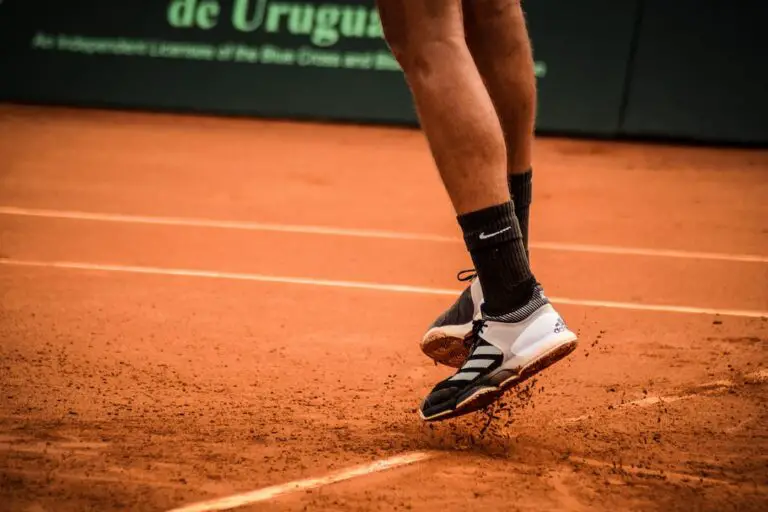
- For clay, a herringbone-style tread can help with controlled sliding.
- For pickleball, court shoes generally offer more lateral stability than ordinary running shoes.
Check the court’s surface and rules before buying; “court shoe” is not one universal outsole recipe.
Hiking and Outdoor Adventures
For easy trails, a trail-running shoe may be enough. For rocky, wet, or mountainous terrain, you may want greater underfoot protection, durable tread, or a more supportive hiking shoe. Compare Merell, Keen, Salomon, La Sportiva, and Scarpa.
A waterproof membrane can be useful in wet conditions but may feel warmer and take longer to dry once water gets inside. For hot, dry hikes, a breathable non-waterproof shoe may be the more comfortable call.
🦶 Find the Right Athletic Shoe Brand for Your Foot
The “best brand” question gets easier once we replace it with a better one: Which shoe fits your foot comfortably and supports the activity you actually do? A well-known logo can’t outvote a pinching forefoot.
Wide Feet, Narrow Feet, and Size Options
Width is not a minor detail. A shoe that feels too narrow can rub or squeeze even when the length is right. Some brands offer multiple widths, but options depend on the model and market.
- Try New Balance, Broks, ASICS, and Skechers models with width options.
- Consider Altra or Topo Athletic if you want a roomier toe box, while still checking midfoot and heel fit.
- Narrow-footed shoppers should look for a secure heel and adjustable lacing, rather than simply sizing down.
Arch Shape, Pronation, and Stability
Pronation is the natural inward movement of the foot as it bears weight. It is not automatically a problem that needs correction. A shoe’s “stability” category is one option for shoppers who find that design comfortable—not a diagnosis based on a wet-foot test or a glance at your arch.
The American Academy of Orthopaedic Surgeons explains that feet and gait vary, and recommends selecting footwear suited to the activity and individual comfort. AAOS foot and ankle conditioning
Our fitting rule: Try neutral and stability shoes if both are available. Choose the one that feels secure and comfortable during movement; seek a podiatrist or clinician’s advice for persistent pain or injury.
Cushioning, Heel Drop, and Shoe Weight
| Feature | What it means | Who may prefer it |
|---|---|---|
| Plush cushioning | Soft, padded sensation | Long walks, easy runs, comfort-first shoppers |
| Firm cushioning | More direct, stable feel | Some faster running and training preferences |
| High heel-toe drop | More height under heel than forefoot | Runners accustomed to a more elevated heel |
| Low or zero drop | Smaller height difference from heel to forefoot | Some runners seeking a flatter platform |
| Lightweight build | Less material and weight | Faster efforts and racing |
| Maximal stack | More midsole material underfoot | Those who enjoy a highly cushioned ride |
These are design characteristics, not guarantees of injury prevention or performance. Transition gradually when changing shoe geometry, especially from a high-drop cushioned shoe to a minimalist model.
Orthotics and Removable Insoles
If you use orthotics, bring them when trying shoes. Check whether the stock insole can be removed and whether your orthotic fits without lifting the heel or crowding the toes. Some athletic shoes have removable sockliners; others may not accommodate an orthotic comfortably.
For custom orthotics, persistent pain, or a diagnosed foot condition, ask your podiatrist or physical therapist which fit features matter for you. A brand’s marketing copy cannot replace individualized clinical guidance.
🔍 How to Choose the Best Athletic Shoe Brand for You
Here’s our stylist-approved method: decide what the shoe must do, narrow to a few models, then judge them on your feet—not their campaign photography.
Match the Shoe to Your Activity
- Name your main activity. Running, walking, court sports, lifting, and hiking have different demands.
- Name your surface. Road, treadmill, trail, clay court, and artificial turf need different traction.
- Choose one priority. For example: roomy forefoot, soft cushioning, stable platform, or water resistance.
- Shortlist two or three brands. Use the activity table above as a starting point.
- Compare actual models. Brand-wide assumptions can lead you astray.
If you spend most of your day walking but only run occasionally, buy for the hours you actually wear the shoes—not the workout you imagine doing after work.
Get the Right Fit and Size
The American Academy of Podiatric Sports Medicine recommends checking shoe fit and replacing athletic shoes as they wear. Fit guidance Use this practical check:
- Shop later in the day if your feet tend to swell.
- Wear the socks you expect to use.
- Leave comfortable toe room; toes should not press against the front.
- Secure the heel without cranking the laces painfully tight.
- Check that the widest part of your foot lines up with the shoe’s widest part.
- Walk, jog, or make sport-specific movements before deciding.
Understand Shoe Technology and Materials
Marketing names can sound like science-fiction weapons. Focus instead on what the feature changes:
- Foam: firmness, cushioning, weight, and resilience.
- Plate or shank: stiffness and bending behavior.
- Outsole rubber: grip and wear resistance.
- Upper fabric: breathability, structure, and weather protection.
- Heel counter: rearfoot hold and fit.
For technical details, consult the manufacturer’s product page and look for independent reviews that describe fit, ride, and durability. A brand’s claim is useful context, not proof that every runner will prefer the shoe.
Try-On Tips for a Better Fit
We’ve seen shoppers pick a shoe because it looked perfect on the shelf, then realize the toe box felt like a tiny elevator. The fix is simple: test the shoe in motion.
- Put on both shoes and lace them as you normally would.
- Walk for several minutes.
- Jog lightly or do the movements relevant to your activity.
- Notice rubbing, heel lift, pressure points, or numbness.
- Compare the same test in another model or width.
- Keep the pair only if it feels comfortable and secure.
Don’t ignore discomfort in the hope of breaking the shoe in. A little new-shoe stiffness is different from sharp pressure, numbness, or painful rubbing.
🧵 Athletic Shoe Construction, Materials, and Technology
A shoe is a team effort: outsole meets ground, midsole manages feel and movement, upper holds the foot in place. Each layer changes the experience, but no feature is magic on its own.
Midsoles, Foam, and Energy Return
The midsole contributes to cushioning, stability, and how the shoe feels when you move. Brands use different compounds and geometries; even within one brand, a daily trainer may feel very different from a plated race shoe.
What to compare: softness, stability, flexibility, weight, and how the shoe feels after a few minutes—not only the foam’s trademark name.
Outsoles, Grip, and Durability
Outsole rubber and tread patterns influence traction and wear. Deep lugs can help on loose trails but may feel clunky on pavement. Smooth, road-oriented tread may not bite into mud.
Inspect the shoe’s intended surface and read the brand’s description. For technical trails, options from Salomon, Inov-8, and La Sportiva offer different tread approaches.
Uppers, Breathability, and Waterproofing
Mesh uppers often prioritize airflow; denser overlays and waterproof membranes can offer more protection. Every trade-off has a bill:
- Breathable uppers: can feel cooler but may let in rain and trail debris.
- Waterproof uppers: help in wet conditions but can feel warmer.
- Reinforced uppers: may improve durability and hold, with added structure.
For winter or wet-weather options, check the exact model’s membrane and care instructions. “Water-resistant” is not the same as waterproof.
Carbon-Plated and Minimalist Shoes
Carbon-plated racing shoes are designed for particular performance use, not for everyone’s daily miles. They can feel stiff or unstable to some runners and may be less durable than daily trainers. Minimalist shoes take the opposite direction, reducing cushioning or heel-toe difference.
Try either category carefully: start with short sessions, pay attention to comfort, and avoid abrupt changes to your usual footwear. For competition regulations, see World Athletics’ technical rules.
♻️ Sustainability and Ethical Practices at Athletic Shoe Brands
Sustainability claims deserve a closer look than a green-colored product page. Brands including Veja, Allbirds, and Cariuma discuss material choices and production practices, but the environmental impact of a shoe depends on more than one ingredient.
When assessing a claim, look for:
- Specific materials and percentages, not just “eco-friendly.”
- Supply-chain and manufacturing information.
- Durability: a shoe that lasts longer may reduce replacement frequency.
- Repair or take-back programs, where available.
- Independent verification for environmental or labor claims.
The Federal Trade Commission’s Green Guides explain how environmental marketing claims should be qualified to avoid misleading consumers. We recommend treating broad claims as a prompt to investigate, not as a final verdict.
🧼 How to Care for Athletic Shoes and Make Them Last
A little care can keep your shoes looking good and feeling less like they’ve completed a marathon without you.
- Air them out after use. Remove insoles if they are removable.
- Brush off dirt when dry. Use a soft brush or cloth.
- Spot-clean gently. Follow the brand’s care label; harsh cleaners can damage materials.
- Skip high heat. Don’t put shoes on a radiator or in a hot dryer unless the manufacturer specifically allows it.
- Rotate pairs if you train frequently, giving materials time to dry.
- Watch for wear. Flattened tread, compressed cushioning, loose uppers, or a change in how the shoes feel may be signs to replace them.
For runners, the APSM’s 300–500-mile range is a general reference, not a countdown clock. Body weight, surfaces, training style, and shoe construction all affect wear. AAPSM guidance
❓ Athletic Shoe Brand FAQs

Which athletic shoe brands are best for running?
Broks, ASICS, New Balance, Saucony, Nike, HOKA, and On are common starting points for road running; Salomon, Altra, Topo Athletic, La Sportiva, and Inov-8 are worth exploring for trail running.
There is no single best brand for every runner. Choose by fit, surface, training purpose, and comfort. A shoe that works beautifully for one person may rub another’s heel.
Read more about “15 Stylish Shoes That Start With S 👟”
Which brands make athletic shoes for wide feet?
Try models from New Balance, Brooks, ASICS, and Skechers that are explicitly offered in wider widths. Altra and Topo Athletic are also known for roomier toe-box designs, though a roomy forefoot does not guarantee a perfect heel or midfoot fit.
Always check the width of the specific model and try it on if possible. A brand’s reputation for width is only a starting point.
Read more about “15 Most Popular Shoe Brands: Who Leads? 👟”
Are expensive athletic shoe brands better?
Not necessarily. More advanced materials or race-day features may suit a particular runner, but a less expensive daily trainer may be more comfortable and practical for everyday use. Fit and purpose matter more than price or prestige.
Read independent reviews for consistent comments on comfort, durability, and fit, then compare the shoe with your own needs.
Read more about “Top 12 Shoe Brands in the World (2026) 👟”
How often should you replace athletic shoes?
For running shoes, the American Academy of Podiatric Sports Medicine suggests around 300–500 miles as a broad replacement range. Source Replace sooner if the outsole is worn, cushioning feels noticeably compressed, the upper is failing, or the shoe no longer feels comfortable.
Walking and training shoes do not have one universal mileage rule; inspect wear and use.
Read more about “15 Cheap Shoes With Good Quality: What to Buy 👟”
Can you use running shoes for walking or the gym?
For walking, often yes if the shoe fits and feels comfortable. For gym workouts, it depends: running shoes can work for treadmill time, but highly cushioned models may feel unstable during heavy lifting or lateral drills. A cross-trainer is usually a better starting point for mixed workouts.
Read more about “👟 ALDO Shoes Review 2026: 15 Styles That Actually Feel Good”
Are expensive athletic shoe brands worth the investment for athletic performance?
They can be worthwhile if the shoe’s design matches your event and your body responds well to it. A plated racer, for example, serves a different role from a durable daily trainer. However, paying more does not guarantee better performance for an individual.
Try the model, consider how often you will use it, and read return and warranty terms before buying.
Read more about “Running Shoe Brands A–Z: 50+ Names to Know 👟”
Which athletic shoe brands offer the most stylish and fashionable options?
For sport-mets-street style, explore Nike, adidas, New Balance, Puma, On, ASICS, and Salomon. Heritage models such as the adidas Samba, New Balance 550, Nike Air Force 1, and Converse Chuck Taylor have strong casual appeal.
For more outfit inspiration, our casual shoes and designer shoes guides cover styles beyond technical sneakers.
What are the top 10 athletic shoes?
There is no fair universal top ten without naming the activity. A useful shortlist across categories includes:
- Brooks Ghost — daily road running
- ASICS GEL-Nimbus — cushioned road running
- New Balance Fresh Foam X 1080 — road running
- Saucony Ride — daily running
- HOKA Clifton — road running and walking
- Nike Pegasus — versatile road training
- On Cloudsurfer — road running
- Salomon Speedcross — muddy trail use
- Nike Metcon — gym training
- New Balance 990 — casual wear and everyday comfort
These are examples, not rankings or medical recommendations. Check current versions, fit, surface, and user feedback before choosing.
Read more about “👟 12 Inexpensive Shoes From Popular Brands Worth a Look”
What are the names of sports shoes?
Common types include running shoes, trail-running shoes, walking shoes, cross-trainers, basketball shoes, tennis shoes, soccer cleats, volleyball shoes, hiking shoes, and golf shoes. The right category depends on your movement and surface.
Read more about “What Is the Number 1 Shoe Company? 🏆”
Which athletic shoe brands are best for walking and running?
Broks, New Balance, ASICS, Skechers, and HOKA are sensible brands to compare for walking and running. Some people use one comfortable daily trainer for both; others prefer a walking shoe and a running-specific pair.
Prioritize fit and comfort over a brand’s advertising claims, and try the shoes during the activity you intend to do.
Read more about “What Was the Most Popular Shoe Brand? 👟”
What are the most comfortable athletic shoe brands for everyday wear?
Comfort is personal, but New Balance, Skechers, Brooks, ASICS, HOKA, and On are often considered by shoppers seeking comfort-oriented everyday sneakers. Compare the actual model, width, cushioning, and weight; no brand feels comfortable to every foot.
Read more about “35 Women’s Shoe Brands to Know: Find Your Perfect Pair 👟”
What are the most popular athletic shoe brands?
Globally recognizable brands include Nike, adidas, New Balance, Skechers, ASICS, Puma, and Jordan Brand, alongside running specialists such as Broks, HOKA, Saucony, and On.
Popularity varies by market and by how it is measured: sales revenue, pairs sold, search interest, or specialty-store recommendations can produce different rankings. Gazelle Sports’ brand directory highlights brands popular with its active-running customers, including Brooks, HOKA, On, Nike, Saucony, New Balance, ASICS, and adidas.
Read more about “20 Popular Affordable Women’s Shoe Brands to Know 👟”
What is the best brand of sneakers?
There isn’t one best brand for all sneakers. For technical running, compare Brooks, ASICS, Saucony, New Balance, Nike, HOKA, and On. For lifestyle sneakers, explore Nike, adidas, Puma, New Balance, Converse, and Rebok.
The best pick is the one that fits your foot, suits your use, and earns a place in your real routine—not just your saved folder.
Read more about “15 Name-Brand Shoes Under $50 Worth Hunting For 👟”
How do I choose the right athletic shoe brand for my needs?
Use this quick process:
- Identify your main activity and surface.
- Decide what matters most: width, cushioning, stability, grip, or weight.
- Compare two or three brands and several specific models.
- Try them on with the socks and orthotics you use.
- Walk or move in them before committing.
- Check return terms and care guidance.
If pain persists, ask a qualified clinician rather than trying to diagnose your foot from a shoe chart.
Read more about “👟 15 Top Customizable Footwear Brands to Design Your Perfect Fit (2026)”
🤝 Help Us Grow This Athletic Shoe Brand Directory
The athletic footwear landscape keeps changing: specialist labels gain traction, heritage brands return, and performance makers expand into everyday style. If we’ve missed a meaningful brand in your sport or region, tell us what it makes and what you like about it.
For a retailer-curated view of active labels, browse Gazelle Sports’ alphabetical brand directory. It includes running and outdoor names such as Brooks, HOKA, On, Nike, Saucony, New Balance, ASICS, adidas, Altra, Mizuno, Salomon, norda, and Topo Athletic.
📚 Keep Exploring Athletic Shoe History

Athletic shoes are more than foam and rubber. They carry stories of sport, design, technology, and culture—from basketball signature shoes to the running boom and skateboarding’s influence on streetwear.
For another historical perspective, see Sneaker History’s complete A–Z guide and the broader Wikipedia athletic-shoe brand category. Treat broad directories as discovery tools; verify current models and availability on official brand sites.
💬 Sneakers, Stories, and People
A shoe can be a training tool, a comfort choice, a uniform, or the finishing touch to an outfit. That’s why our stylist advice is simple: buy for your actual feet and actual life. A gorgeous sneaker you can’t wait to take off is a very expensive shelf decoration.
For style beyond athletic footwear, explore Shoe Brands™’ designer shoes, comfort shoes, casual shoes, and high heels collections.
✅ Conclusion

The best athletic shoe brand is the one that fits your foot, matches your activity, and feels right when you move. Start with the job, narrow by fit, and choose the specific model—not the logo. For road running, compare Brooks, ASICS, New Balance, Saucony, Nike, HOKA, and On. For trails, add Salomon, Altra, Topo Athletic, and La Sportiva. For the gym, prioritize stability; for court sports, choose sport-specific traction and support.
Our confident recommendation: shortlist two or three models, try them on with your usual socks, and test them in motion. If they pinch, rub, or feel unstable, keep looking. Your feet have already provided the review.
🔗 Recommended Links
Explore official brand collections and browse models by intended use:
- Nike: Nike | Amazon search
- adidas: adidas | Amazon search
- New Balance: New Balance | Amazon search
- ASICS: ASICS | Amazon search
- Puma: Puma | Amazon search
- Broks: Broks | Amazon search
- HOKA: HOKA | Amazon search
- Saucony: Saucony | Amazon search
- On: On | Amazon search
- Skechers: Skechers | Amazon search
- Salomon: Salomon | Amazon search
- Altra: Altra | Amazon search
- Topo Athletic: Topo Athletic | Amazon search
📖 Reference Links
- American Academy of Podiatric Sports Medicine: Athletic Shoes
- American Academy of Orthopaedic Surgeons: Foot and Ankle Conditioning
- Federal Trade Commission: Green Guides
- World Athletics: Rules and regulations
- Sneaker History: The Complete A–Z Guide
- Wikipedia: Athletic shoe brands category
- Gazelle Sports: All Brands
- Nike company information
- adidas company history
- ASICS company history
- New Balance company information