Support our educational content for free when you purchase through links on our site. Learn more
15 Budget-Friendly Shoe Options Worth a Look 👟

The best budget friendly shoe options balance a comfortable fit, the right features for your activity, and durability—not just a tempting sale tag. Our top picks span running, walking, work, casual wear, hiking, and more, so you can find a sensible match without paying extra for features you won’t use.
We’ve seen a classic bargain trap: a pair looks perfect online, arrives, and immediately pinches at the toes. A quick fit check and a model-specific review can save you from that closet-bound “deal”—and help you choose shoes you’ll actually wear.
Key Takeaways
- Choose by use first: Running, work, walking, and casual wear call for different features.
- Fit matters more than the discount: Check length, width, heel hold, and return terms before committing.
- Compare previous-season models: Older versions can offer strong value, but confirm the exact model and specs.
- Prioritize practical details: Look at cushioning, grip, outsole wear, and materials that suit your routine.
- Think value per wear: A comfortable, durable pair you reach for often can be a better buy than the cheapest option.
- Compare trusted brands: Explore ASICS, adidas, New Balance, Skechers, and Broks by model, fit, and intended use.
Table of Contents
- ⚡️ Quick Tips and Facts
- 👟 What “Budget-Friendly” Really Means for Shoes
- How shoe prices vary by category, brand, and materials
- Why some shoes cost more—and when the extra spend is worthwhile
- 📜 How Affordable Shoes Became Easier to Find
- 🔍 How We Evaluate Budget-Friendly Shoes
- Comfort, fit, cushioning, and support
- Durability, materials, and value per wear
- Sizing, return policies, and customer feedback
- 🏆 Best Budget-Friendly Shoe Options by Category
- 1. Best affordable running shoes overall
- 2. Best budget running shoes for cushioning
- 3. Best affordable running shoes for speed workouts
- 4. Best budget running shoes for wide feet
- 5. Best running shoes for everyday wear
- 6. Best durable, low-cost running shoes
- 7. Best affordable stability running shoes
- 8. Best budget walking shoes
- 9. Best affordable sneakers for daily wear
- 10. Best budget work shoes for standing all day
- 11. Best affordable hiking shoes and trail shoes
- 12. Best budget gym and training shoes
- 13. Best affordable sandals and summer shoes
- 14. Best budget dress shoes and smart-casual styles
- 15. Best affordable kids’ shoes
- 🏷️ Which Brands Make Reliable Affordable Shoes?
- Budget-friendly athletic and running shoe brands
- Affordable casual, work, and dress shoe brands
- Private-label and value-store shoes: what to expect
- 💸 Smart Ways to Find Cheap Shoes Without Sacrificing Comfort
- Shop previous-season models and reliable clearance sales
- Compare outlet, online, and in-store options
- Check fit guides, reviews, and return policies
- When secondhand shoes are—and aren’t—a good deal
- 📏 Finding the Right Fit on a Budget
- How to measure your feet at home
- Width, toe-box shape, and arch support
- Common fit mistakes that cost you comfort
- ⚖️ Cheap Shoes vs. Expensive Shoes: What’s the Difference?
- When budget shoes are a smart buy
- Potential downsides of low-cost footwear
- When it makes sense to spend more
- 🧼 Make Affordable Shoes Last Longer
- Cleaning and storage tips by shoe material
- Replacing insoles, laces, and worn-out parts
- Signs it’s time to replace your shoes
- 🌱 Sustainability and Ethical Considerations
- How to balance low prices with responsible buying
- Cost-per-wear: buying fewer, better-value pairs
- 🔗 More Shoe Buying Guides
- Conclusion
- Recommended Links
- FAQ
- Reference Links
⚡️ Quick Tips and Facts
Looking for budget friendly shoe options that don’t feel like cardboard with laces? Start with fit, intended use, and outsole quality—not a flashy logo. If you’re comparing affordable name-brand finds, our guide to name brand shoes under $50 is a useful companion.
| Quick fact | What it means for you |
|---|---|
| “Affordable” depends on the shoe category | A sensible everyday sneaker budget differs from a work boot or technical running shoe. Compare shoes within the same category. |
| Last season’s model can be a value sweet spot | When a new version arrives, the previous model may be discounted while still offering the fit and performance you want. |
| Fit beats a bargain | A cheap shoe that rubs, pinches, or slips can cost you in discomfort—and may stay in the closet. |
| Activity matters | Running, walking, court sports, and standing at work place different demands on cushioning, grip, support, and construction. |
| Check return terms before ordering | Footwear fit varies across brands and models. A good return policy makes online size testing less of a gamble. |
| Think in cost per wear | A durable pair worn often can better value than a bargain pair that wears out quickly. |
Our fast shopping checklist
Before you click “buy,” ask:
- Where will I wear these? Match the outsole and construction to the activity.
- Do I know my size in this model? Brand sizing isn’t perfectly consistent.
- Is the fit comfortable right away? Don’t assume a painfully tight shoe will magically become your new best friend.
- Can I return them after trying them on indoors? Check the retailer’s exact policy.
- What will wear out first? Inspect the sole, stitching, upper, and heel lining.
We’ve learned that shoe bargains have a sneaky talent for looking perfect on a product page. The better question is whether they’ll still feel good on your feet at the end of the day. 👟
👟 What “Budget-Friendly” Really Means for Shoes
A budget-friendly shoe isn’t automatically the cheapest shoe on the shelf. It’s footwear that gives you suitable comfort, performance, and lifespan for the money you spend. That might mean a basic canvas sneaker for errands—or a more technical running shoe bought on clearance.
For background on how footwear fits into everyday comfort and style, browse Shoe Brands™’ comfort shoes and casual shoes guides.
How shoe prices vary by category, brand, and materials
There isn’t one sensible budget for every kind of shoe. A breathable trainer, leather work shoe, waterproof hiking shoe, and children’s school shoe aren’t built from the same materials or for the same job.
| Shoe category | Features that often affect cost | Budget-shopping priority |
|---|---|---|
| Running shoes | Midsole foam, cushioning geometry, stability elements, outsole rubber | Fit, comfort for your running distance, and outsole condition |
| Walking shoes | Cushioning, upper flexibility, heel fit, outsole grip | Comfortable step-in feel and a secure heel |
| Casual sneakers | Upper material, construction, brand design, sole type | Versatile style, easy care, and a comfortable fit |
| Work shoes | Slip resistance, protective features, reinforced construction | Match the shoe to your workplace and safety requirements |
| Hiking shoes | Outsole traction, support, waterproofing, protective toe features | Terrain-specific grip and a secure fit on descents |
| Dress shoes | Leather or synthetic upper, lining, construction, sole | Fit, repairability, and whether you’ll wear them regularly |
| Kids’ shoes | Materials, closure design, fit, expected growth and wear | Proper fit and activity suitability—not buying oversized “room to grow” shoes |
For running shoes, RunRepeat’s comparison uses $110 as an informal cutoff for “cheap” and notes that the average price in its dataset can shift with the models included. That’s a useful reference, not a universal definition: everyday sneakers and school shoes follow different pricing patterns. Read the RunRepeat budget running shoe guide for its model-specific lab data and price context.
Why some shoes cost more—and when the extra spend is worthwhile
A higher price may reflect features such as specialized foam, a waterproof membrane, additional protective layers, or a more complex outsole. It can also reflect design, licensing, marketing, or how recently a model launched. Price alone doesn’t prove that a shoe will fit you better or last longer.
For example, RunRepeat’s testing highlights meaningful differences among budget running shoes in cushioning, flexibility, grip, and wear. Its findings are useful for comparing a model’s measured traits, while your own foot shape and intended use determine whether those traits feel good. A shoe with impressive cushioning numbers is still a poor buy if the toe box squeezes your toes.
A simple rule we use: pay for a feature you’ll actually use. If you mostly walk on dry pavement, you may not need a waterproof trail shoe. If your job requires certified slip-resistant footwear, however, don’t trade the relevant protection for a lower sticker price.
📜 How Affordable Shoes Became Easier to Find
Affordable footwear now comes from several places: established athletic brands, value-focused retailers, outlet stores, previous-season collections, and direct-to-consumer labels. Online shopping also makes it easier to compare colorways, size availability, and return policies—though it can’t replace trying on a shoe when fit is uncertain.
The catch? More choices don’t automatically make comparisons easier. A model name may remain familiar while its design changes between versions. Retailers may also stock different widths or versions, so always confirm the exact model and product details.
When we shop for a deal, we look beyond the discount badge. A previous-season shoe from a reputable brand may be a smarter buy than an unfamiliar model marked down from a price no one actually paid. RunRepeat’s price-shopping advice recommends comparing price history and checking the exact size and colorway; its running shoe guide also cautions that sale timing can vary. In plain English: the “bigest sale weekend of the year” isn’t guaranteed to be the best time for your size.
🔍 How We Evaluate Budget-Friendly Shoes
At Shoe Brands™, we assess affordable shoes from two angles: how they perform for their intended use and how well their design fits real life. A trainer that’s terrific for short runs may be a miserable choice for all-day standing. A sleek office shoe may look polished yet need a different fit strategy from a walking sneaker.
We also separate measured claims from personal impressions. For instance, RunRepeat reports testing shoes with more than 30 data points, including durability, shock absorption, energy return, traction, and breathability. Those tests provide useful comparisons, but they’re not a guarantee that every wearer will experience the same fit or comfort.
Comfort, fit, cushioning, and support
We check whether the shoe feels secure without pinching, whether the toe area allows natural movement, and whether the cushioning suits the activity. “Support” is not a single universal sensation: some people prefer a more stable platform, while others like a neutral, flexible feel.
Use this quick fit test:
- Try shoes on later in the day if possible; feet can change in size through normal daily activity.
- Wear the socks you plan to use with the shoes.
- Stand and walk around. Check the heel, arch area, and widest part of the forefoot.
- Make sure your toes can move naturally without sliding excessively.
- Test both feet and fit to the larger foot if there’s a size difference.
- For sport-specific shoes, move as you would during the activity—within the store’s or retailer’s return rules.
The American Academy of Orthopaedic Surgeons’ footwear guidance offers practical shoe-fit advice. For medical foot pain or a persistent fit issue, get tailored advice from a qualified health professional rather than trying to diagnose it from a product review.
Durability, materials, and value per wear
A shoe’s useful life depends on materials, construction, how often you wear it, your activity, and the surfaces you cover. We inspect:
- Outsole: Is the rubber substantial where your foot strikes?
- Midsole: Does it feel supportive for the shoe’s purpose, without obvious uneven compression?
- Upper: Are seams and overlays placed where they’re unlikely to rub?
- Heel lining: Does it look reinforced enough for regular use?
- Closure: Do laces, straps, or hook-and-loop fasteners hold securely?
Lab wear tests can help compare products, but don’t treat one test as a real-world lifespan promise. For example, RunRepeat uses a Dremel to assess material wear and reports outsole dent depth; a shallow dent suggests less damage under that test, not guaranteed mileage for every runner.
A practical value check is:
Cost per wear = purchase cost ÷ number of wears
You don’t need to calculate it down to the last cent. Just ask whether the shoe is likely to earn regular use. A pair that works for your commute, errands, and casual outfits may provide better value than a specialized bargain you rarely reach for.
Sizing, return policies, and customer feedback
Customer reviews can reveal recurring issues—such as narrow sizing, heel rubbing, or a sole that feels firm—but reviews are personal experiences, not controlled lab tests. Look for patterns across recent reviews, especially from people with similar foot needs and intended use.
Before ordering, confirm:
- Whether the product page lists men’s, women’s, or unisex sizing
- Whether wide sizes are available
- The retailer’s return window and condition requirements
- Whether return shipping is covered
- Whether the item is sold by the brand or a third-party marketplace seller
One fitting-room lesson we’ve learned the hard way: a familiar brand name doesn’t guarantee that every model fits the same. Always check the model-specific reviews and size guidance.
🏆 Best Budget-Friendly Shoe Options by Category
These picks are starting points for comparison, not a promise that one shoe suits every foot. Models, versions, colorways, and availability change, so check the listing for the exact version you’re considering.
| Use case | Model to consider | Why it stands out | Trade-off to check |
|---|---|---|---|
| Everyday road running | New Balance Fresh Foam X Evoz v4 | Balanced comfort and breathable upper, according to RunRepeat’s testing | RunRepeat reports a heavier, stiffer feel than its predecessor and a fit that may not suit wide feet |
| Plush road running | Nike Winflo 12 | High cushioning and stable platform in RunRepeat’s lab results | Heavier feel may not suit fast workouts |
| Tempo runs | adidas Duramo Speed 2 | Lightweight design and strong measured traction in RunRepeat’s tests | Check forefoot comfort and heel fit |
| Roomier budget running fit | adidas Galaxy 7 | Wider measured forefoot than the comparison average in RunRepeat’s test | Limited bounce and reported durability concerns |
| Casual wear | Rebok Zig Dynamica 5 | Sporty retro look with solid measured traction in RunRepeat’s test | Heavy feel and a tapered toe area may not suit everyone |
| Durability-focused running | Brooks Revel 9 | Low outsole wear in RunRepeat’s test; a wide option is available | Firmer, less lively ride may not be ideal for every runner |
| Stability-oriented running | ASICS GT-100 15 | Broad platform and guidance features for a planted feel | Not a high-bounce choice; try it on if cushioning is your priority |
Model versions matter: product names and specifications can change. Confirm that the product page matches the version discussed, especially when shopping outlet listings.
1. Best affordable running shoes overall
New Balance Fresh Foam X Evoz v4 is a versatile model to investigate if you want a road-running shoe for everyday training without immediately reaching for a premium racing model. RunRepeat describes it as stable and breathable, with a comfortable step-in feel and a semi-guseted tongue for lockdown.
| What we like | What to check |
|---|---|
| Comfortable, breathable feel in RunRepeat’s evaluation | RunRepeat describes it as heavier and stiffer than its predecessor |
| A stable ride for everyday training | The ride is smooth rather than especially lively |
| Suitable for regular road use | Its fit may not work well for wide feet |
| A useful option to compare against more expensive trainers | Check your comfort on slick surfaces and your response to the shoe’s lower drop |
We’d shortlist it for a runner who wants a dependable daily trainer and prefers a stable, non-racy feel. If you need a wider fit, compare it with models offered in dedicated wide sizes instead of hoping a standard version will stretch into submission.
👉 Shop and compare:
- New Balance Fresh Foam X Evoz v4: Amazon | New Balance
2. Best budget running shoes for cushioning
Nike Winflo 12 is the plush-cushioning pick in RunRepeat’s summary. The guide reports a tall platform, strong shock-absorption results, and a heel Air unit intended to add softness and bounce. Its tester also describes the shoe as supportive and stable for longer runs and all-day wear.
The trade-off is weight: a cushioned shoe can feel less nimble during faster workouts. Choose it if comfort and protection matter more to you than a featherweight ride.
| Consider it if you want… | Think twice if… |
|---|---|
| A cushioned feel for road runs and daily wear | You want a light shoe for speed sessions |
| A stable platform underfoot | You prefer a minimal or highly flexible feel |
| A familiar mainstream running brand | The model’s fit doesn’t feel secure through the heel or forefoot |
👉 Shop and compare:
3. Best affordable running shoes for speed workouts
adidas Duramo Speed 2 is a budget option worth considering for runners who mix easy miles with tempo sessions. RunRepeat reports that it is lightweight and achieved strong traction in its lab testing, including on wet and dry surfaces. That can make it a more versatile pick than a basic, flat-feling daily shoe.
It isn’t a magic speed button—sadly, shoes haven’t negotiated that feature yet. RunRepeat reports limited overall energy return and some concerns about forefoot shock absorption and heel stability. Test the fit and use it for the kind of workout you actually do.
Best for: runners looking for an affordable shoe that can handle steady road running and occasional faster sessions.
Check before buying: heel width and upper durability, especially if you’re a rear-foot striker or frequently run in rough conditions.
👉 Shop and compare:
4. Best budget running shoes for wide feet
adidas Galaxy 7 is a useful model to investigate if you want a roomier forefoot in an affordable road-running shoe. RunRepeat measured its forefoot width as wider than the average in its comparison. Its reviewers also note a comfortable step-in feel and a balanced drop.
There are caveats: the ride is described as fairly flat, and the summary flags durability concerns. Roomy is not the same as a true wide size, either. If your feet need extra width throughout the shoe, check whether a dedicated wide version is offered and try it on before committing.
- Good match for: shorter, easy runs and people who dislike a cramped forefoot.
- Less suitable for: runners seeking a lively ride, high-speed responsiveness, or maximum durability.
- Fit tip: don’t size up automatically to gain width; extra length can make your foot slide.
👉 Shop and compare:
5. Best running shoes for everyday wear
For a sneaker that can move between a short run and casual errands, consider the Rebok Zig Dynamica 5. RunRepeat reports strong traction and outsole durability in its tests, along with a breathable upper and a stable platform for heel strikers.
Its bold, sculpted look won’t be everyone’s idea of subtle. The review summary also notes a heavier feel, limited energy return, and a tapered, low toe area. If your toes like room, try this model in person—or compare it with a more conventional everyday trainer.
Style note: pair a statement running shoe with uncomplicated basics so it looks intentional rather than as if your feet arrived from a different outfit. For more ideas, explore casual shoes and athletic shoes.
👉 Shop and compare:
6. Best durable, low-cost running shoes
Broks Revel 9 is a strong candidate if you prioritize outsole durability in a versatile road shoe. RunRepeat reports that it performed well for traction and showed little outsole damage in its Dremel test. A wide version is available, which gives some shoppers a useful fit option.
The Revel 9 may feel less exciting than a springy, high-stack trainer: RunRepeat describes limited energy return and a slightly stiff feel, with less toe room than some runners may want. If you prefer a responsive ride, test it alongside another daily trainer rather than judging by durability alone.
| Strength | Possible compromise |
|---|---|
| Grippy outsole in RunRepeat’s test | Not especially bouncy |
| Low measured outsole wear | Limited toe room for some feet |
| Versatile for casual running and daily activities | Slightly firm or stiff feel |
| Wide option available | Check version and width availability at the retailer |
👉 Shop and compare:
7. Best affordable stability running shoes
The ASICS GT-100 15 is a stability-oriented option to explore if you want a planted platform and guidance features. RunRepeat’s summary points to its broad base and 3D GUIDANCE SYSTEM, describing the ride as predictable and supportive—particularly for heel strikers and everyday use.
A stable shoe isn’t automatically the right answer for everyone who overpronates, and stability preferences are personal. Try it in your usual running socks and check that the arch area feels comfortable rather than intrusive. The guide also notes limited bounce and concerns about the toebox mesh’s durability.
👉 Shop and compare:
8. Best budget walking shoes
A dedicated walking shoe can be a worthwhile purchase if you’re on your feet for long stretches. You don’t necessarily need the newest or most technical model, but the shoe should feel secure, comfortable, and appropriate for the surface.
Consider models such as Skechers GO WALK, New Balance 608, or a comfortable daily trainer from ASICS or Broks. Product lines change, so compare current versions rather than assuming an older review describes the shoe now on the shelf.
| Walking need | What to look for |
|---|---|
| Long city walks | Cushioning that feels comfortable to you and a secure heel |
| Workday wear | Breathable upper, easy-on fit, and suitable outsole |
| Wide feet | Brand or model-specific wide sizing |
| Wet pavement | A tread pattern and rubber outsole suited to your conditions |
| Casual outfits | Neutral colorways and a less overtly technical profile |
We recommend trying shoes on with your regular walking socks and taking a short indoor walk. If your work requires certified slip resistance, verify the manufacturer’s specifications; a grippy-looking tread isn’t proof of workplace compliance.
Browse our comfort shoes and athletic shoes categories for more options.
👉 Shop and compare:
- Skechers GO WALK: Amazon | Skechers
- New Balance 608: Amazon | New Balance
9. Best affordable sneakers for daily wear
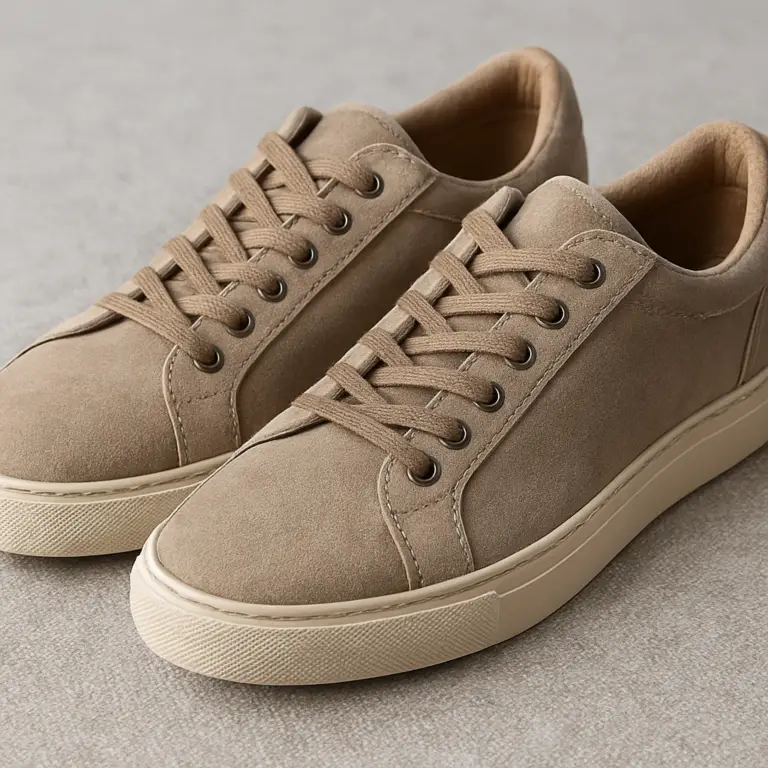
For versatile everyday style, start with classic silhouettes from adidas, Rebok, Converse, Vans, and New Balance. The right pick depends on whether you prefer a flexible canvas shoe, a cushioned leather-look sneaker, or a sportier everyday trainer.
A few wardrobe-friendly starting points:
- adidas Grand Court: clean, court-inspired styling that works with jeans and casual trousers.
- Rebok Club C: understated retro styling; check the exact upper material and care instructions.
- Converse Chuck Taylor All Star: a familiar canvas option, though its flat feel won’t suit everyone for prolonged walking.
- Vans Old Skool: casual skate-inspired style; assess cushioning and fit for your daily routine.
- New Balance 574: a sportier retro profile with a more substantial look than a simple canvas sneaker.
The personal-style verdict: the most versatile shoe is the one that goes with the clothes you already wear. A sale pair in a hard-to-style color may be less useful than a neutral shoe you reach for all week.
👉 Shop and compare:
- adidas Grand Court: Amazon | adidas
- Rebok Club C: Amazon | Rebok
- Converse Chuck Taylor All Star: Amazon | Converse
- Vans Old Skool: Amazon | Vans
- New Balance 574: Amazon | New Balance
10. Best budget work shoes for standing all day
For work, start with the job’s requirements. Healthcare, food service, warehouse, and office settings can demand very different footwear. If your workplace requires protective or slip-resistant footwear, follow its actual safety rules, not a fashion roundup.
Brands such as Skechers, Crocs, New Balance, and ASICS offer practical styles across different work needs. Look for:
- A fit that stays secure without squeezing
- Cushioning that feels good through a full shift
- An outsole suited to the floor surface
- Easy-clean materials if your role calls for them
- Any required safety certification or protective construction
A common mistake is picking the softest shoe in the store and assuming it must best for eight hours. Cushioning preference varies; secure fit and task suitability matter just as much. For healthcare uniforms or office outfits, a simple, low-profile sneaker often pairs neatly with everyday workwear.
👉 Shop and compare:
- Skechers work shoes: Amazon | Skechers
- Crocs work clogs: Amazon | Crocs
- New Balance walking shoes: Amazon | New Balance
11. Best affordable hiking shoes and trail shoes
For easy trails, light hikes, and park paths, an older-season trail shoe can offer sensible value. Brands such as Merell, Columbia, adidas Terex, and ASICS make options across different trail conditions.
Match the shoe to where you’ll go:
| Terrain | Feature to prioritize |
|---|---|
| Dry, maintained paths | Comfortable fit and dependable grip |
| Mudy or uneven trails | More aggressive tread and secure footing |
| Rocky ground | Protective sole and a snug, non-slipping fit |
| Wet conditions | Water-resistant or waterproof construction if you truly need it |
| Mixed walking and town use | A less aggressive outsole that feels comfortable on pavement |
Waterproofing can add cost and may feel warmer than a breathable upper. Buy it for regular wet conditions, not because the word “waterproof” sounds adventurous. For serious hiking, don’t compromise on traction, support, or a secure downhill fit to save a little.
👉 Shop and compare:
- Merell hiking shoes: Amazon | Merell
- Columbia hiking shoes: Amazon | Columbia
- adidas Terex: Amazon | adidas
12. Best budget gym and training shoes
A running shoe is not automatically the best gym shoe. Strength training, treadmill running, studio workouts, and court drills each place different demands on footwear.
- For treadmill sessions, a comfortable running shoe may be appropriate.
- For lifting, many people prefer a stable base rather than a very soft, high-stack midsole.
- For lateral movement, prioritize secure lockdown and grip.
- For classes, check the activity and studio surface before choosing a sole.
Nike Metcon, Rebok Nano, and adidas Dropset models are worth comparing when they suit your training style. Previous-season versions may offer value, but confirm that the shoe still matches your workout needs.
👉 Shop and compare:
13. Best affordable sandals and summer shoes
For warm weather, budget-friendly options include Birkenstock EVA styles, Crocs sandals, Teva, and simple slides from adidas or Nike. Choose for the way you’ll wear them: poolside, short errands, travel, or longer walks.
- Slides: convenient for quick trips and pool use, but may not offer enough security for long walks.
- Sport sandals: useful when you want adjustable straps and a more secure fit.
- EVA styles: lightweight and easy to clean; check the manufacturer’s care advice and fit.
- Dressier sandals: prioritize stable straps and a comfortable footbed, especially if you’ll be standing.
Avoid choosing purely by the softness of the footbed. A sandal that lets your foot slide around can become irritating quickly. For polished outfits, browse our high heels section; for everyday warm-weather picks, start with casual shoes.
👉 Shop and compare:
- Birkenstock EVA sandals: Amazon | Birkenstock
- Crocs sandals: Amazon | Crocs
- Teva sandals: Amazon | Teva
14. Best budget dress shoes and smart-casual styles
Affordable dress shoes can work beautifully when you focus on fit, simple design, and construction that suits how often you’ll wear them. Compare Clarks, Rockport, Florsheim, Naturalizer, and Cole Haan styles, but assess the exact model rather than assuming an entire brand fits alike.
For the office or a special event:
- Choose a classic shape that works with several outfits.
- Check toe-box space while standing, not just sitting.
- Look for a secure heel and minimal rubbing around the instep.
- Confirm care requirements for leather, suede, or synthetic materials.
- Consider whether the sole is suitable for your commute and weather.
A sleek loafer or plain-toe derby may be more versatile than a heavily decorated style. If you want elevated fashion footwear, see Shoe Brands™’ designer shoes guide.
👉 Shop and compare:
- Clarks dress shoes: Amazon | Clarks
- Rockport dress shoes: Amazon | Rockport
- Florsheim dress shoes: Amazon | Florsheim
15. Best affordable kids’ shoes
Kids’ footwear needs a different shopping approach: comfort, fit, closures they can manage, and suitability for school or sports all matter. Look at Stride Rite, New Balance, Skechers, adidas, and Nike for age- and activity-appropriate options.
A few practical rules:
- Measure regularly; children’s feet grow, and growth rates vary.
- Check the fit at the toes and heel rather than relying only on the printed size.
- Choose easy closures if independent dressing is part of the mission.
- Don’t buy shoes so large that a child’s foot slides around.
- For sports, use shoes designed for the activity when practical.
The American Academy of Orthopaedic Surgeons’ shoe guidance is a helpful starting point for fit principles. For sport-specific shoes, ask the coach what the surface and activity require before shopping.
👉 Shop and compare:
- Stride Rite kids’ shoes: Amazon | Stride Rite
- New Balance kids’ shoes: Amazon | New Balance
- adidas kids’ shoes: Amazon | adidas
🏷️ Which Brands Make Reliable Affordable Shoes?
Affordable options exist across mainstream athletic and casual brands, but the best value depends on the specific model, fit, and sale availability. A brand can offer an excellent budget trainer and a less impressive casual shoe. 👉 Shop by model and purpose, not logo alone.
Budget-friendly athletic and running shoe brands
Brands to compare include ASICS, adidas, New Balance, Nike, Broks, and Rebok. Their lower-cost models and older versions can offer useful everyday performance, but features vary considerably.
RunRepeat’s guide notes that Inov8, HOKA, Mizuno, and On did not have shoes under its $110 cutoff in the dataset it reviewed. That’s a database snapshot and a particular definition of “cheap,” not a permanent rule. Sales, regional ranges, and later model releases can change the picture.
| Brand | Useful place to start | What to compare |
|---|---|---|
| adidas | Duramo, Galaxy, older Supernova models | Fit, upper durability, intended run type |
| ASICS | GT-100 and older daily trainers | Stability feel, toe-box fit, cushioning |
| New Balance | Evoz, 680, older Fresh Foam models | Width availability and fit |
| Nike | Winflo, Downshifter, older daily trainers | Weight, fit, cushioning preference |
| Brooks | Revel and older daily trainers | Ride feel, width options, outsole |
| Rebok | Zig Dynamica and training models | Weight, toe shape, use case |
Affordable casual, work, and dress shoe brands
For everyday casual footwear, compare Converse, Vans, adidas, Rebok, and New Balance. For work and walking styles, consider Skechers, Clarks, Rockport, and New Balance. For sandals, Teva, Crocs, and Birkenstock offer very different designs and support profiles.
We’d rather see you buy one well-fitting pair that works with your wardrobe than three “amazing deal” pairs that need a foot negotiation every time you wear them.
Private-label and value-store shoes: what to expect
Store-brand shoes can be useful for occasional wear, school basics, or a temporary need. They may also be a poor value if the fit is uncomfortable or the outsole wears quickly. Check the same fundamentals you would for any branded model:
- Clear product details and material information
- A return policy that lets you assess fit
- Secure construction and clean stitching
- A sole appropriate for your activity
- Recent, model-specific customer reviews
Don’t assume a low-cost shoe is unsafe or a famous brand is automatically superior. Judge each pair by its build, intended purpose, and fit.
💸 Smart Ways to Find Cheap Shoes Without Sacrificing Comfort
The best way to save is often to be flexible about timing, color, and model year—not about fit. A previous-season shoe in a neutral color can be a better buy than a current-release model with extra features you’ll never use.
Shop previous-season models and reliable clearance sales
When a new version launches, older models may be discounted. That doesn’t mean the previous version is automatically better—or worse. Compare:
- The exact model version
- Updated features and material changes
- Your size and width availability
- The seller’s return policy
- Whether the colorway changes the material or construction
RunRepeat’s buying guide recommends comparing price history and notes that older versions can be discounted more heavily. Use that as a prompt to check the model carefully, rather than treating every clearance label as a victory parade.
Compare outlet, online, and in-store options
Each shopping route has advantages:
| Shopping option | Advantages | Watch-outs |
|---|---|---|
| Brand website | Clear product details and model naming | Selection may be limited by size or color |
| Outlet store | Previous-season stock and chance to try on | Check whether the shoe is an outlet-specific model |
| Large retailer | Broad selection and easy comparisons | Confirm seller and return terms |
| Specialty running store | Fit advice and activity-specific options | Selection and promotions vary |
| Marketplace | Wide range of listings | Counterfeit risk, seller reliability, and returns |
When a deal looks unusually good, verify the seller and product details. Brand-name footwear from third-party marketplaces can vary by seller, so use the platform’s seller information and return policy rather than relying on a familiar product image.
Check fit guides, reviews, and return policies
Before ordering, search recent reviews for your key concern: wide forefoot, narrow heel, arch feel, break-in, or durability. Read both positive and critical reviews; the most useful feedback usually explains what the reviewer used the shoe for and how it fit.
Then confirm the return policy. Some retailers require unworn soles, original packaging, or return shipping. If you’re trying a new model, test it indoors first and keep the box until you’re confident.
When secondhand shoes are—and aren’t—a good deal
Secondhand shoes can be a reasonable option for some styles, especially lightly worn casual shoes. But shoes mould to wear patterns, and you may not be able to tell how much use remains in the midsole or support structure.
Secondhand can make sense for:
- Fashion shoes worn occasionally
- Lightly used kids’ shoes when fit and condition are clear
- Dance or specialty shoes in clean, verified condition
- A model you already know fits
Be more cautious with:
- Running shoes with unknown mileage
- Work or safety footwear
- Shoes with compressed, uneven, or damaged soles
- Pairs with interior wear that may cause rubbing
One dance-specific perspective comes from AmoZouk’s guide to zouk shoes: it emphasizes that “Comfort and the ability to pivot are key,” and discusses basic sneakers, dance sneakers, secondhand pairs, and adapting a sole. The lesson travels well beyond dance: a shoe should suit the movement, not just the occasion.
📏 Finding the Right Fit on a Budget
A good fit is one of the best “features” you can get without paying extra. It also prevents the classic bargain regret: a shoe that looked like a steal until it made your heel feel personally insulted.
How to measure your feet at home
Use this simple process:
- Put a sheet of paper on a hard floor against a wall.
- Stand on it wearing the socks you expect to use.
- Keep your heel gently against the wall and mark the end of your longest toe.
- Measure both feet; record the longer measurement.
- Measure the widest part of each foot.
- Compare your measurements with the specific brand’s size chart.
- Repeat for the other foot—feet are not always identical.
Measure at a time when your feet feel representative of your usual wear. Follow the manufacturer’s size chart, because size labels can differ between brands and models. If your foot length and width point to different sizes, check for a width option before simply sizing up.
Width, toe-box shape, and arch support
Fit is three-dimensional. Two shoes in the same length can feel very different because of their toe-box shape, upper material, heel hold, and arch placement.
- Wide forefoot: look for models with wider sizes or a naturally roomier shape.
- Narrow heel: check whether the shoe locks down securely without pulling the laces painfully tight.
- High instep: examine the lacing area and upper volume.
- Low-volume foot: make sure the foot doesn’t slide forward or lift at the heel.
- Arch sensitivity: focus on comfort in the arch area; don’t assume more arch structure is automatically better.
For individual pain, recurring blisters, or specific foot conditions, a qualified clinician can offer advice that general shopping recommendations can’t replace.
Common fit mistakes that cost you comfort
❌ Buying shoes that pinch because you expect a long “break-in.”
❌ Sizing up to fix width when the extra length makes your foot slide.
❌ Ignoring the heel because the forefoot feels comfortable.
❌ Shopping in the wrong socks for your intended activity.
❌ Assuming every model from a familiar brand fits alike.
❌ Keeping shoes that cause persistent pain because they were on sale.
✅ Try both shoes, walk around, and check heel security.
✅ Leave enough room for natural toe movement.
✅ Use model-specific reviews and the retailer’s size guidance.
✅ Keep the packaging until you’re sure the fit works.
⚖️ Cheap Shoes vs. Expensive Shoes: What’s the Difference?
More expensive shoes may include specialized materials or added technologies. But that doesn’t make them automatically more comfortable, durable, or suitable for your feet. RunRepeat’s guide states, “The premium price of $150-350 simply isn’t always worth it,” reflecting its analysis of running-shoe value. That’s a useful caution against paying for features you don’t need—not proof that every premium shoe is poor value.
When budget shoes are a smart buy
Budget footwear can be a sound choice if:
- You need a simple shoe for occasional use.
- You’re walking or running at a recreational pace.
- You find a previous-season model that fits well.
- The shoe’s construction meets the needs of your activity.
- You’re willing to replace it when it’s worn out.
For many shoppers, a mainstream daily trainer or casual sneaker has more practical value than a specialized premium model. The right shoe for your routine may be the unglamorous one you wear three times a week.
Potential downsides of low-cost footwear
Lower-cost models may use simpler cushioning, less advanced materials, or fewer specialized features. Some may also have less durable uppers or outsoles. Those trade-offs are model-specific, so inspect reviews and specifications rather than assuming every budget shoe has the same weaknesses.
RunRepeat’s comparison illustrates why “cheap shoe” is too broad a label: it reports different strengths across models, including cushioning, traction, flexibility, and outsole wear. One shoe may excel in grip while another offers more room in the forefoot. Compare the features that matter to you, not a single overall rank.
When it makes sense to spend more
Consider spending more when a specific need justifies it:
- Your work requires certified safety or slip-resistant footwear.
- You regularly run on challenging terrain and need protection or traction.
- You need a specific width, fit, or support feature that budget models don’t provide.
- A specialist recommends a certain type of footwear for a medical or work-related reason.
- A more durable shoe reduces replacement frequency for your usage.
The goal is not to spend as little as possible. It’s to avoid paying for features you don’t use while still choosing a shoe that meets your needs.
🧼 Make Affordable Shoes Last Longer
Good care won’t turn a basic shoe into an indestructible one, but it can help you get more use from a pair. Start with the manufacturer’s care instructions, particularly for leather, suede, waterproof membranes, or specialty materials.
Cleaning and storage tips by shoe material
| Material | Simple care approach |
|---|---|
| Mesh and knit | Brush off loose dirt; clean gently with a damp cloth or manufacturer-approved method |
| Canvas | Spot-clean or wash only if the brand’s care instructions allow it |
| Leather | Wipe with a suitable cleaner and condition as directed |
| Suede | Use a suede brush and products made for suede |
| Rubber or EVA | Rinse or wipe clean; let the shoe air-dry |
| Waterproof footwear | Use approved cleaners and treatments so you don’t damage the membrane |
Avoid high heat when drying shoes; it can affect adhesives and materials. Remove insoles where appropriate and let footwear air-dry thoroughly before wearing it again.
Replacing insoles, laces, and worn-out parts
Fresh laces or an insole can improve a shoe’s usability, but don’t use replacement parts to disguise a shoe that no longer fits or supports you properly.
- Replace frayed or stretched laces before they fail.
- Consider a replacement insole only if it fits the shoe and doesn’t crowd your toes.
- Retire shoes with damaged soles, separated layers, or a fit that has changed substantially.
- For repairable dress shoes, ask a cobler whether the sole or heel can be replaced.
Signs it’s time to replace your shoes
Consider replacing footwear when:
- The tread is visibly worn where you need grip.
- The sole has separated, cracked, or become uneven.
- The shoe no longer feels comfortable for its intended activity.
- The upper or heel lining causes repeated rubbing.
- A running shoe feels noticeably different underfoot or has visible uneven wear.
There is no universal replacement schedule that fits every person and shoe. Wear varies with use, body mechanics, surface, and construction. Let condition and comfort guide you—not a calendar reminder alone.
🌱 Sustainability and Ethical Considerations
Affordable shopping and responsible shopping can overlap. The simplest way to reduce waste is often to buy a shoe you’ll genuinely wear, care for it, and replace it when it’s no longer suitable.
How to balance low prices with responsible buying
A lower price doesn’t automatically mean a shoe is less responsible, and a higher price doesn’t guarantee ethical production. Look for clear information from the brand about materials, sourcing, repair, or take-back programs, and treat broad sustainability claims carefully unless the company explains what they mean.
Practical choices include:
- Buying versatile colors and designs that suit your wardrobe.
- Avoiding duplicate purchases you’re unlikely to use.
- Choosing durable construction when it fits your budget.
- Repairing replaceable parts where practical.
- Donating wearable shoes through a reputable local program.
Cost-per-wear: buying fewer, better-value pairs
Cost per wear helps compare shoes with different purchase costs and expected use. A shoe worn regularly for work or commuting may better value than a cheaper pair reserved for one outfit.
We often ask ourselves: Would I choose this pair again next week? If the answer is yes, and the fit is comfortable, it’s more likely to earn its place in your rotation. If not, the discount may be doing more work than the shoe.
🔗 More Shoe Buying Guides
Shopping across styles? These Shoe Brands™ categories can help you narrow the field:
- Comfort Shoes for supportive everyday picks
- Casual Shoes for easy-to-style daily footwear
- Athletic Shoes for running, training, and sport
- High Hels for occasion and work outfits
- Designer Shoes for elevated styles and brand-focused shopping
For more practical shoe-shopping advice, start with our guide to name brand shoes under $50.