Support our educational content for free when you purchase through links on our site. Learn more
15 Emerging Independent Shoe Designers to Watch 👟


The best emerging independent shoe designers to know are the ones pairing a memorable point of view with shoes you’ll genuinely wear. Start with labels like Tarvas, Village PM, Pane, and Reproduction of Found for fresh takes on everyday sneakers, then explore craft-focused and statement-making designers such as Aurora Shoe Co., Cydwoq, and John Fluevog.
One thing we’ve learned as stylists: the shoe that looks most unusual online isn’t always the pair you reach for most. A distinctive design becomes a wardrobe favorite when its fit, construction, and everyday practicality live up to the photo.
Key Takeaways
- Explore beyond familiar labels: Independent designers bring fresh ideas to sneakers, boots, heels, flats, and artisan footwear.
- Match the shoe to your life: Consider where you’ll wear it, how it fits, and whether its materials and construction suit your routine.
- Check sustainability claims carefully: Look for specific information about materials, manufacturing, durability, and repairability.
- Read model-specific fit and return details: Sizing can vary between brands—and even between styles from the same brand.
- Support designers thoughtfully: Buy intentionally, share useful feedback, and shop through official brand sites or trusted retailers.
Table of Contents
- ⚡️ Quick Tips and Facts
- 👟 What Makes a Shoe Designer Independent and Emerging?
- 📜 A Brief History of Independent Footwear Design
- ✨ 15 Emerging Independent Shoe Designers to Know
- 1. Designers Reimagining Everyday Sneakers
- 2. Independent Luxury and Avant-Garde Shoe Labels
- 3. Sustainable and Vegan Footwear Designers
- 4. Artisan Shoemakers Preserving Traditional Craft
- 5. Designers Shaping the Future of Hels and Flats
- 🌱 How Independent Shoe Designers Approach Sustainability
- 🧵 Materials, Construction, and Craftsmanship to Look For
- 📏 How to Choose Shoes from an Independent Brand
- Fit, Sizing, and Comfort
- Quality, Durability, and Care
- Shipping, Returns, and Customer Support
- 🛍️ Where to Find Independent Shoe Designers
- Brand Websites and Direct-to-Consumer Shops
- Boutiques, Fashion Markets, and Online Retailers
- 💡 How to Support Emerging Footwear Designers
- 🔍 Red Flags and Green Flags When Shopping Indie
- 📈 Why Independent Shoe Designers Matter to Fashion
- 🔮 Trends Shaping the Next Generation of Shoe Design
- Conclusion
- Recommended Links
- FAQ
- Reference Links
⚡️ Quick Tips and Facts
Looking for shoes with a point of view beyond the familiar mega-brand lineup? Emerging independent shoe designers often bring fresh silhouettes, smaller-scale production, and distinctive ideas to sneakers, boots, heels, and everyday footwear. Start with the design you’ll actually wear, then check fit, materials, manufacturing claims, and return policies before you buy. For more footwear inspiration, explore our guide to shoe brands.
| Quick question | Stylist’s short answer |
|---|---|
| What does “independent” mean? | Usually a smaller, founder-led or privately owned label, though definitions vary. |
| Does independent mean sustainable? | No. Look for specific material, labor, and production information rather than relying on a broad claim. |
| Are indie shoes only fashion statements? | Not at all. Labels such as Tarvas and Neutra build outdoor-inspired function into their designs. |
| How do I shop wisely? | Check the size guide, construction details, shipping origin, care instructions, and return terms. |
| Where should I start? | Try a wearable category—such as casual shoes or athletic shoes—before taking a leap into a sculptural statement shoe. |
A quick caveat: “Emerging” is a moving description, not a certification. Some labels below are young brands; others are smaller or less familiar to mainstream shoppers. We’ve included them because they offer useful examples of independent footwear design, not because every company is at the same stage.
👟 What Makes a Shoe Designer Independent and Emerging?
An independent shoe designer typically has more creative control than a label working inside a large corporate portfolio. That can mean a founder-led studio, a small specialist brand, or a footwear label with a distinct identity and limited distribution. Emerging often describes a brand gaining attention, expanding its audience, or developing a recognizable design language.
There’s no universally accepted checklist. A smaller brand may manufacture through experienced factories; an established company may still operate with a close-knit creative team. “Independent” is best understood as a clue to a brand’s scale, ownership, and creative approach, not a guarantee of handmade production or ethical practices.
| What to look at | What it may tell you | What it does not prove |
|---|---|---|
| Founder or studio story | Who leads the design and what informs it | That every pair is made by the founder |
| Small or selective collections | A focused product range or measured releases | That production is automatically low-impact |
| Distinctive design language | A clear point of view in shape, materials, or function | That the shoe will suit your wardrobe or fit |
| Transparent product details | A brand’s willingness to explain materials and construction | That every claim has been independently verified |
| Limited retail distribution | A smaller sales footprint | That the product is rare, better-made, or investment-worthy |
Independent, emerging, and artisan: useful distinctions
- Independent describes a business or creative structure.
- Emerging describes a brand’s stage of visibility or growth.
- Artisan-made refers to a craft approach or production method, but the term can be used broadly. Ask what the brand means by it.
- Direct-to-consumer describes a sales model, not an assurance of quality or sustainability.
A label can fit one description without fitting all four. We recommend judging the actual shoe: its construction, comfort, versatility, and the credibility of the brand’s claims.
📜 A Brief History of Independent Footwear Design

Independent footwear has long drawn on the overlap between subculture, specialist craft, and practical design. Skate shoes, outdoor footwear, military-inspired trainers, and traditional shoemaking all provide a vocabulary that smaller labels can reinterpret. The result is not one “indie look,” but a range of approaches: archive-minded classics, technical trail-inspired sneakers, expressive high heels, and carefully made everyday shoes.
The current appeal also reflects changing shopper tastes. GQ’s guide to under-the-radar sneaker labels describes shoppers as “free agents now,” pointing to greater openness to alternatives beyond the biggest athletic brands. That’s a helpful observation about sneaker culture, though it doesn’t mean major brands have disappeared from the conversation: independent designers often borrow, challenge, or refine ideas that shoppers already recognize.
For a wider footwear perspective, the Council of Fashion Designers of America offers context on American fashion designers and the broader creative industry. For material and environmental questions, the United Nations Environment Programme discusses sustainability and circularity challenges across textiles—useful background, although it does not certify individual shoe brands.
✨ 15 Emerging Independent Shoe Designers to Know
Independent footwear is wonderfully varied, but the word “emerging” deserves care. Some brands in this edit have been covered as under-the-radar or design-forward labels; others are smaller specialists whose work is worth exploring. We’re not presenting every name as a newly founded brand or making a blanket sustainability claim. Treat this as a considered starting list, then investigate each collection and current availability.
| Brand | Known for | Why it may appeal | Consider before buying |
|---|---|---|---|
| Tarvas | Outdoor-inspired sneakers and boots | Ruged practicality with a restrained city-friendly look | Check the intended use and weather protection of the specific model |
| Village PM | Skate-influenced footwear | A fresh take on skate proportions and grip | Confirm the model’s skate features and sizing |
| Pane | Minimal, retro-influenced sneakers | Clean lines and premium-feling materials | Verify current official sales channels and product details |
| Reproduction of Found | Archive-inspired military trainers | Historical references, including German Army Trainer-style designs | Check the model’s origin, materials, and construction |
| Neutra | Technical-looking sneakers | Modern shapes and performance-inspired materials | Confirm which features are functional versus aesthetic |
| Stepney Workers Club | Skate and casual shoes | Easy-to-style everyday silhouettes | Compare upper material and sole details across styles |
| Aurora Shoe Co. | American-made leather sandals and shoes | Simple shapes and practical wear | Check fit guidance and leather care |
| Carmina Shoemaker | Godyear-welted dress shoes and boots | Traditional construction and repair potential | Expect a more formal look and follow the brand’s sizing advice |
| Cydwoq | Sculptural leather footwear | Artistic forms and distinctive finishes | Try on when possible; unusual shapes may fit differently |
| Hender Scheme | Japanese leather footwear and accessories | Craft-led design and thoughtful material choices | Review care requirements and model-specific sizing |
| John Fluevog | Expressive dress shoes, boots, and heels | Bold personality and theatrical details | Consider comfort, heel height, and outfit versatility |
| Loeffler Randall | Polished heels, flats, and occasion footwear | Femine statement details with wearable styling | Check heel construction and return terms |
| M.Gemi | Italian-made leather footwear | Modern styles with a craft-oriented story | Look closely at product-by-product materials and origin |
| Nisolo | Everyday leather shoes and sandals | Minimal styling and published impact information | Read the scope and methodology behind sustainability claims |
| Solovair | British-made boots and shoes | Workwear heritage and sturdy styling | Break-in and care needs vary by leather and model |
These brands do not all occupy the same niche. A pair of designer shoes for a special occasion has different demands from a daily walking sneaker. And a compelling brand story should never substitute for checking whether the shoe works for your feet, routine, and climate.
1. Designers Reimagining Everyday Sneakers
For daily wear, look for a balance of shape, support, traction, and easy styling. The sneaker labels highlighted by GQ show several ways independent design can reinterpret familiar references:
- Tarvas blends outdoor function with urban wear. Its Explorer, Easy Hiker, and Wander styles have been noted for hiking-sneaker appeal.
- Village PM takes cues from skate footwear. GQ describes its semi-approach shoe as having an asymmetric shape and a non-vulcanized sticky-rubber outsole intended to support board grip.
- Pane has been described as a minimalist label reworking the German Army Trainer idea, with waxed leather, soft suede, and a half-latex support insole cited in coverage.
- Stepney Workers Club (S.W.C.) offers skate-informed everyday silhouettes, including the Dellow and Lister families.
- Reproduction of Found revisits historical military footwear, including German Army Trainer-inspired styles.
These are design cues, not promises that every model will feel comfortable for every wearer. For walking-heavy days, compare the insole, heel hold, outsole, and return policy with the same care you’d give the silhouette. Our comfort shoes guide can help you think beyond looks.
Stylist note: We often see shoppers fall for a retro sneaker in a photograph, then discover that the shape is narrower or firmer than expected. Before committing, search for fit notes specific to that exact model—not just the brand.
2. Independent Luxury and Avant-Garde Shoe Labels
A designer shoe can be an everyday workhorse, but some labels put shape and visual impact first. Cydwoq, John Fluevog, Hender Scheme, and Loeffler Randall illustrate different routes: sculptural leather forms, expressive heels, considered material treatment, and occasion-ready styling.
| Style direction | Brands to explore | Styling idea | Practical check |
|---|---|---|---|
| Sculptural and artistic | Cydwoq, Hender Scheme | Let the shoe lead; keep the rest of the outfit quiet | Check whether the shape changes toe room or balance |
| Statement heels | John Fluevog, Loeffler Randall | Pair with a simple suit, denim, or a minimal dress | Test heel stability and walking comfort |
| Refined dress footwear | Carmina Shoemaker, M.Gemi | Use with tailoring or polished separates | Check construction, width options, and care |
| Expressive everyday style | Solovair, Stepney Workers Club | Mix with relaxed tailoring or casual layers | Match sole weight and upper material to your routine |
A striking shoe can be a wardrobe signature—but it still has to survive an ordinary Tuesday. If you’re shopping heels, browse our high heels category and check heel height and footbed details before you buy.
3. Sustainable and Vegan Footwear Designers
Sustainability is not a style category, and a vegan label is not automatically a low-impact label. Materials, manufacturing energy, product lifespan, shipping, packaging, and repairability all matter. The UN Environment Programme’s textiles work explains why supply chains and circularity require more than a single material claim.
Among the brands in this guide, Nisolo publishes information about its sustainability and impact work; that is a useful starting point, not a reason to skip the fine print. Check the date, scope, and methodology of any brand-reported metric. For vegan options, seek product-specific confirmation that the entire shoe—including adhesives and trims where disclosed—mets the standard you need. Do not assume a brand’s entire collection is vegan because one product is.
4. Artisan Shoemakers Preserving Traditional Craft
Traditional shoemaking offers a different kind of design innovation: refinement through lasting, stitching, finishing, and repairable construction. Carmina Shoemaker is known for classic dress shoes and welted construction; Aurora Shoe Co. offers leather footwear with a simple, practical sensibility; Solovair draws on British footwear heritage.
When a brand describes a shoe as handmade, Godyear-welted, or crafted in a particular country, look for a clear explanation of what that means for the particular model. The American Podiatric Medical Association offers general foot-health guidance, but it does not certify fashion shoes for comfort. Construction and foot health are related to wearability, yet neither a heritage story nor a particular stitch guarantees a perfect fit.
5. Designers Shaping the Future of Hels and Flats
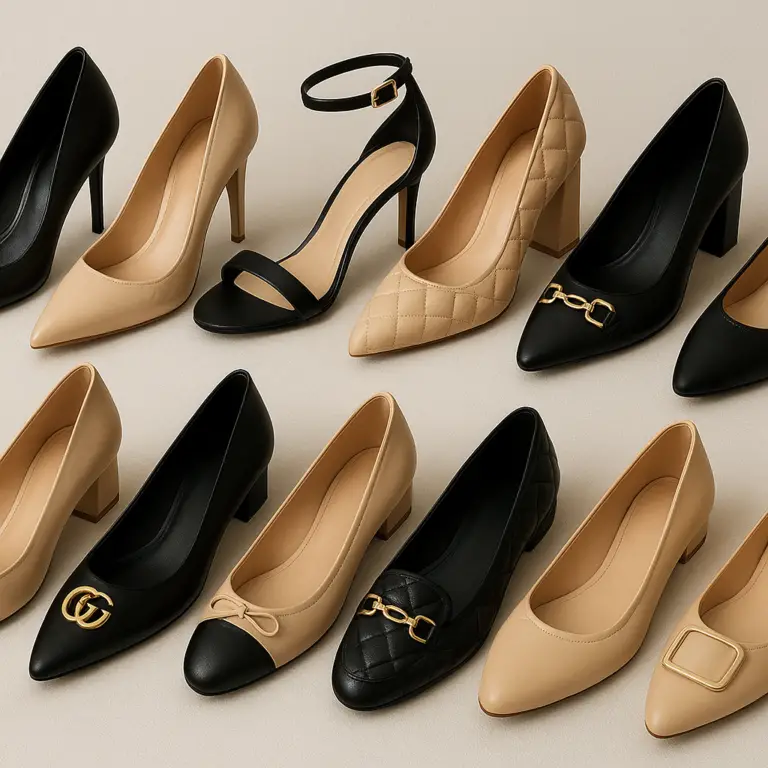
Independent designers can make familiar categories feel new through proportion, color, texture, and hardware. Loeffler Randall and John Fluevog bring distinct personalities to heels; Aurora Shoe Co. and M.Gemi offer options for a more understated approach to flats and everyday leather shoes.
| If you want… | Explore… | Style payoff | What to check |
|---|---|---|---|
| A dressy statement | John Fluevog, Loeffler Randall | A memorable focal point | Heel height, balance, and return conditions |
| A quieter leather flat | M.Gemi, Aurora Shoe Co. | A versatile option for smart-casual outfits | Toe shape, width, and sole flexibility |
| A more directional silhouette | Cydwoq, Hender Scheme | A distinct design signature | Wearability with your existing wardrobe |
If the shoe is intended for a long event, walk around indoors before wearing it out. We learned this the hard way: a beautiful pair can photograph like a dream and still demand a taxi after the first few blocks.
🌱 How Independent Shoe Designers Approach Sustainability
There is no single sustainability score that tells you whether a shoe is “good.” A leather shoe may be long-lasting and repairable but still involve substantial resource use; a recycled synthetic may reduce reliance on virgin material but create other end-of-life challenges. Judge the whole product and the evidence the brand provides.
Use this checklist:
- Identify the exact product. Is the claim about the entire shoe, its upper, a component, or the packaging?
- Check material specifics. “Recycled,” “responsible,” and “eco-friendly” are broad terms without a clear percentage, source, or standard.
- Look for manufacturing details. Does the brand name the country or region of production? Does it explain how it selects suppliers?
- Ask about longevity. Are the sole, heel, or upper repairable? Are replacement parts or care instructions available?
- Read the fine print. Is an impact claim independently verified, brand-reported, or limited to a specific collection?
- Consider your wear habits. The most sustainable shoe is unlikely to be the one that spends its life unworn in a closet.
The UNEP report on sustainability and circularity in textiles gives broader context on material lifecycles and supply-chain complexity. For broader standards and verification, consult the Global Organic Textile Standard where relevant—but remember that textile certification does not automatically certify a complete shoe.
A quick sustainability claims decoder
| Brand wording | What to verify |
|---|---|
| “Made locally” | Where are the upper, sole, and finished shoe made? |
| “Recycled materials” | Which components, what percentage, and what is the source? |
| “Ethically made” | Which labor standards, locations, and audits support the claim? |
| “Vegan” | Does it cover the full shoe and all components, as disclosed? |
| “Built to last” | Is the shoe repairable, and are construction details available? |
🧵 Materials, Construction, and Craftsmanship to Look For
The upper is only one part of a shoe. Insole, midsole, outsole, lining, last shape, and attachment method all influence how it feels and how you care for it. Independent labels may offer unusual combinations; read the product page rather than assuming that two shoes from one brand are built the same way.
| Feature | What it can do | What to ask |
|---|---|---|
| Leather upper | Can mold and age with wear, depending on leather and care | Is it full-grain, suede, or another finish? How should it be maintained? |
| Canvas upper | Often light and casual | Is it lined? How does the brand recommend cleaning it? |
| Mesh or technical knit | Can reduce weight and add breathability | Is it intended for performance or mainly for appearance? |
| Rubber outsole | Provides ground contact and traction, depending on tread and compound | Is the tread suitable for your terrain and weather? |
| Removable insole | May allow replacement or an orthotic insert | Is there enough volume for your insert? |
| Welted construction | May support resoling, depending on design and local repair options | Can this exact model be resoled, and by whom? |
| Cushioned footbed | May soften underfoot feel | Does it provide the support you personally need? |
A shoe’s design and functionality can pull in different directions. A thin sole may look sleek but feel harsh on long pavement walks; a thick technical outsole can add comfort and visual bulk. Neither is automatically better. Match construction to the way you plan to wear the pair.
📏 How to Choose Shoes from an Independent Brand
Treat an unfamiliar shoe like a new recipe: exciting, but worth checking the ingredients first. Follow these steps before ordering:
- Choose the job. Work commute, travel, events, trail walks, or weekend wear? Name the use before falling for the photo.
- Compare your foot to the size guide. Measure both feet later in the day, when feet can be more expanded, and follow the brand’s method.
- Read model-specific reviews. Look for repeated fit patterns, not one dramatic comment.
- Inspect the construction. Identify the upper, sole, footbed, and care requirements.
- Confirm the return window. Check whether returns are accepted on worn or tried-on shoes and who pays shipping.
- Try them indoors. Walk, stand, and test toe room before wearing them outside.
- Keep the packaging until you decide. A pristine box can make a return much easier.
Fit, Sizing, and Comfort
Sizing is not standardized across independent labels—or across different models from the same brand. A European size conversion is only a guide, and the same nominal size can feel different because of last shape, upper stiffness, toe profile, and sock thickness.
- Follow the brand’s own size chart rather than relying on a general conversion.
- Check for width guidance and whether the brand recommends sizing up or down.
- Look for reviews that mention the same style and explain the reviewer’s fit experience.
- If you use orthotics, ask whether the footbed is removable and whether the shoe has enough interior volume.
- For persistent pain or foot conditions, consult a qualified health professional. A stylish shoe is not a substitute for personalized medical advice.
Quality, Durability, and Care
Good quality is not just a premium material name. Examine the finish, seams, sole attachment, lining, and how clearly the brand explains care. A softer leather may need more protection; suede may require different cleaning than smooth leather; canvas has its own stain drama.
Care basics:
- Brush off dirt before it settles.
- Follow the manufacturer’s care instructions for the specific material.
- Let damp footwear dry at room temperature; avoid direct heat.
- Rotate shoes when possible, especially if you wear the same pair frequently.
- Ask a local repair professional whether the sole or heel can be serviced.
Shipping, Returns, and Customer Support
For an unfamiliar label, customer service is part of the product experience. Before ordering, verify:
- The country from which the item ships.
- The estimated delivery window and any customs obligations.
- The return period and condition requirements.
- Whether exchanges are available for a different size.
- How to reach support if sizing or construction details are unclear.
A brand that answers specific questions clearly earns trust. If the only fit information is “true to size” with no explanation, ask for more detail or choose a retailer with a generous return policy.
🛍️ Where to Find Independent Shoe Designers
Start with the brand’s official site for the most accurate product specifications, current stock, and care details. A specialist retailer can be useful when you want to compare labels or try shoes in person. Keep an eye out for social-media accounts that use a brand’s name but do not link to its official channels.
Brand Websites and Direct-to-Consumer Shops
Buying directly may give you access to the fullest collection, product background, and brand support. It can also mean that you’re responsible for understanding the label’s own return and shipping rules. Read those policies before checkout, especially for international orders or limited releases.
For brands that disclose their story and sourcing, review the product page rather than relying only on the homepage. If a detail matters—vegan materials, country of manufacture, width, or weather resistance—look for confirmation on the exact item.
Boutiques, Fashion Markets, and Online Retailers
Independent boutiques can be especially helpful for fit: you can compare sizes, inspect materials, and ask questions before buying. Fashion markets and designer showcases may introduce you to new makers, while reputable online retailers can simplify returns and provide verified customer feedback.
When reading reviews, look for specifics:
- Which model did the reviewer buy?
- What size did they choose, and what size do they usually wear?
- How long have they worn it?
- Are they describing comfort, durability, appearance, or service?
- Does the retailer label the review as a verified purchase?
One glowing review is a nice spark; repeated, detailed feedback is more useful evidence.
💡 How to Support Emerging Footwear Designers
Support does not have to mean buying every new release. Independent labels benefit when customers engage thoughtfully and help others discover work they genuinely enjoy.
- Buy intentionally. Choose a pair that fits your needs, not just your feed.
- Share useful feedback. Mention fit, break-in, care, and real wear rather than posting only “love these!”
- Follow official channels. This helps you find accurate product launches and reduces the chance of confusing a label with an imitator.
- Visit a retailer or pop-up. Trying shoes in person supports both the designer and the stockist.
- Ask thoughtful questions. Clear questions about materials, fit, repair, and production encourage better product information.
- Recommend a brand honestly. Include who the shoe suits and what someone should check before buying.
A note about one requested competitor link: the linked DesignGood article is described in the supplied summary as discussing DesignGood’s branding services rather than naming shoe designers. It may be useful as a branding-business resource, but it does not substantiate a list of nine shoe designers. We’d rather tell you that plainly than send you on a shoe hunt through a branding case study.
🔍 Red Flags and Green Flags When Shopping Indie
| ✅ Green flags | ❌ Red flags |
|---|---|
| Clear product materials and construction details | Vague claims such as “premium” with no specifics |
| Model-specific fit guidance | No sizing information beyond a generic conversion |
| Transparent shipping and returns | Return conditions are difficult to locate |
| Consistent official contact information | Conflicting brand names, domains, or seller details |
| Sustainability claims with scope and evidence | Broad environmental claims with no explanation |
| Realistic product photography and clear descriptions | Only heavily filtered images and no construction views |
| Reviews that describe use and fit | Repeated generic reviews with no model details |
A red flag is a reason to pause, not automatically a verdict. Small brands may have less polished websites than multinational companies; that alone does not establish poor quality. Look for whether essential information is accessible and whether the company responds clearly when you ask.
📈 Why Independent Shoe Designers Matter to Fashion
Independent footwear labels help widen the design conversation. They can focus on a narrow idea—an archive shoe, a skate-derived shape, a new material treatment—and make that point of view legible without dressing it up as a product for everyone. That focus can be a welcome alternative to the “one silhouette fits all” feeling.
They also make comparison more interesting. The first video linked in the article, featured video, discusses New Balance’s long history, domestic manufacturing, product innovation, partnerships, and growth. Its perspective is about a major footwear brand, not an independent label. Still, it offers a useful contrast: large companies can invest in research, manufacturing capacity, and broad distribution, while smaller designers may offer a more concentrated creative identity.
Those are different strengths—not a contest with one winner. A major brand may be the more practical choice for specialized performance or easy replacement; an independent label may be the right pick when you value a particular design perspective or a more focused collection.
🔮 Trends Shaping the Next Generation of Shoe Design
A few design directions recur across independent and under-the-radar footwear:
- Retro references: Archive trainers and classic court shapes are being reconsidered through new colors and materials.
- Outdoor-mets-city design: Trail-inspired soles and weather-minded details increasingly appear in everyday styles.
- Skate influence: Low-profile shapes, grip-focused outsoles, and relaxed proportions move from skate settings into casual wardrobes.
- Material experimentation: Leather, suede, mesh, canvas, and technical textiles are combined in fresh ways.
- Quiet but distinct design: Some labels opt for subtle branding and let form or construction speak.
- Personality-led heels and flats: Sculptural profiles and expressive detailing keep dress shoes from feeling like an afterthought.
GQ’s “free agents” observation describes a shift toward trying labels beyond the best-known sneaker giants. It’s a useful reading of consumer curiosity, not a universal rule: plenty of shoppers stay loyal to a familiar fit, and there’s nothing wrong with that. The strongest trend is still the one you’ll wear.