Support our educational content for free when you purchase through links on our site. Learn more
👟 Affordable Fashion Footwear: 15 Stylish Finds

The best affordable fashion footwear balances style, a comfortable fit, and everyday usefulness—so start with shoes you’ll genuinely wear, not just a tempting trend. With smart shopping, brands like Skechers, Converse, Clarks, and Naturalizer offer plenty of styles to compare across casual, work, walking, and occasion wear.
We’ve all had that pair that looked perfect online but pinched by the first block. Our stylists’ rule is simple: check the fit, construction, and return policy before falling for the color. That’s how a good-looking shoe becomes a wardrobe favorite instead of an expensive closet decoration.
Key Takeaways
- Buy for your real routine: Match shoes to walking, work, weather, and occasions.
- Fit comes first: Check toe room, heel security, and width; a soft insole alone doesn’t guarantee comfort.
- Judge value beyond the label: Consider construction, care needs, versatility, and how often you’ll wear the pair.
- 👉 Shop thoughtfully: Compare brand sizing, customer feedback, product details, and return policies.
- Choose styles that work hard: Sneakers, loafers, flats, sandals, and ankle boots can each fill a different wardrobe role.
Table of Contents
- ⚡️ Quick Tips and Facts
- 👟 What Affordable Fashion Footwear Really Means
- 📚 The Evolution of Budget-Friendly Stylish Shoes
- ✨ 15 Affordable Fashion Footwear Styles Worth Knowing
- 1. Everyday Sneakers
- 2. Classic Canvas Shoes
- 3. Ballet Flats
- 4. Loafers
- 5. Mary Janes
- 6. Ankle Boots
- 7. Chelsea Boots
- 8. Sandals
- 9. Slides and Mules
- 10. Espadrilles
- 11. Dress Shoes
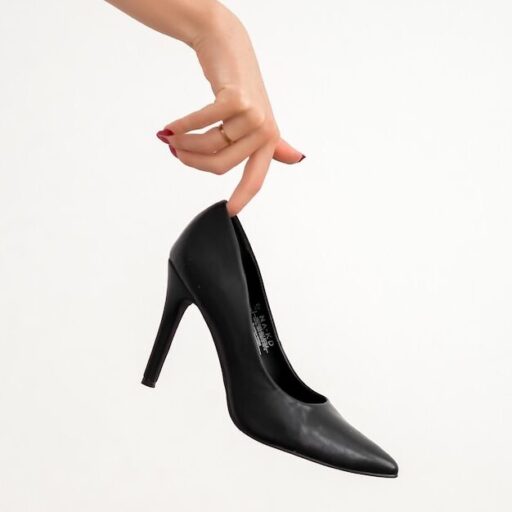
- 12. Hels and Wedges
- 13. Walking Shoes
- 14. Work and Uniform Shoes
- 15. Wide-Fit and Inclusive Styles
- 🧥 How to Build a Versatile Shoe Wardrobe on a Budget
- The essential pairs to buy first
- Choosing colors that work harder
- Creating outfits for work, weekends, and occasions
- 🛍️ Where to Shop for Affordable Fashion Shoes
- Popular affordable footwear brands
- Online retailers and high-street stores
- Outlet, resale, and secondhand finds
- How to compare quality, selection, and service
- 📏 Finding the Right Fit and All-Day Comfort
- How to measure your feet at home
- Fit tips for different shoe styles
- Cushioning, arch support, and breathable materials
- Breaking in new shoes without blisters
- 🧵 Materials, Construction, and Durability
- Leather, synthetic leather, canvas, and textiles
- Soles, stitching, insoles, and other quality clues
- How to judge value beyond the price tag
- 🌿 Sustainable and Ethical Budget Footwear
- Lower-impact materials and manufacturing claims
- Buying less, wearing longer, and shopping secondhand
- 🧼 Shoe Care, Repairs, and Longer Wear
- Cleaning shoes by material
- Protecting shoes from rain, stains, and odor
- When to repair or replace a pair
- 📦 Shopping Online: Shipping, Returns, and Customer Support
- Checking size charts and customer reviews
- Understanding delivery and return policies
- Spoting misleading listings and counterfeit shoes
- 💡 Smart Ways to Save on Fashion Footwear
- Seasonal sales, coupons, and loyalty programs
- Cost-per-wear: choosing pairs you will actually use
- Common budget shoe-shopping mistakes to avoid
- 🔎 Recommended Links
- ❓ FAQ
- What counts as affordable fashion footwear?
- Which affordable shoe brands are worth considering?
- Can budget-friendly shoes be comfortable for walking all day?
- How can I tell if inexpensive shoes are well made?
- What shoes should I buy first for a versatile wardrobe?
- How often should I replace everyday shoes?
- Are affordable shoes suitable for work or special occasions?
- How do I make budget shoes last longer?
- 📚 Reference Links
- ✅ Conclusion
⚡️ Quick Tips and Facts
Affordable fashion footwear should do more than look good on the shelf: it should fit well, suit your daily routine, and hold up to the wear you’ll give it. Our Shoe Brands™ stylists judge value by the whole package—not just the price tag.
| Quick check | What to look for |
|---|---|
| Fit | A secure heel, room for toes to move, and no sharp pressure points |
| Use | Match the shoe to the job: walking, work, wet weather, or dress occasions |
| Construction | Check sole attachment, stitching, lining, and whether the shoe bends where your foot bends |
| Comfort | Look for cushioning and support that suit your feet; a soft insole alone doesn’t guarantee a good fit |
| Value | Think about cost per wear, care needs, and how often you’ll reach for the pair |
| Returns | Read the retailer’s return or exchange policy before ordering online |
If you’re comparing low-cost labels, our guide to name-brand shoes under $50 is a useful companion. For more styling ideas, browse our edits of casual shoes, comfort shoes, and athletic shoes.
A quick caution: “affordable” doesn’t mean every style is a bargain. A shoe that pinches, slips, or wears out after a few outings can cost more in frustration than a better-fitting pair you wear for months.
👟 What Affordable Fashion Footwear Really Means
Affordable fashion footwear is the sweet spot where style, comfort, function, and responsible spending meet. It can include a trend-led sneaker, a practical work flat, a rain-ready boot, or a polished shoe for an event. The right choice depends on your budget and your real-life shoe needs—not on a label promising “unbeatable prices.”
Payless describes its aim as making fashionable footwear accessible while offering “comfort and durability to all consumers.” That’s a useful goal, but a brand’s promise is not the same as proof that every shoe will suit every foot. We recommend checking the construction, product details, sizing guidance, and customer feedback for the specific pair you’re considering.
Price is only one part of value
A pair’s true value depends on several factors:
- Wear frequency: Will you use it every week or only for one occasion?
- Comfort: Can you wear it for the time you need without discomfort?
- Versatility: Does it work with several outfits?
- Care: Does it need special cleaning or weather protection?
- Durability: Are the sole, upper, and seams appropriate for the intended use?
One helpful mental calculation is cost per wear: divide what you spend by the number of times you actually wear the shoes. No exact figure can predict how long a shoe will last, but the idea encourages smarter buying. A neutral loafer you wear to work repeatedly may deliver more value than an eye-catching pair that stays in its box.
Affordable doesn’t have to mean plain
Budget-friendly shoes come in clean neutrals, vivid colors, classic shapes, and trend-forward details. A simple black sneaker can be a wardrobe workhorse; a colorful flat or contrasting boot can supply the outfit’s personality. The trick is choosing one standout feature at a time—such as a bold color, metallic finish, or chunky sole—so the shoe looks intentional rather than like it lost an argument with your outfit. 👟
📚 The Evolution of Budget-Friendly Stylish Shoes
Affordable footwear has always reflected the balance between access, utility, and changing style. Mass production expanded the range of shoes available to shoppers, while modern online retail made it easier to compare silhouettes, materials, reviews, and return policies without trying on every pair in town.
Today, budget shoppers can find trend-led flats, sneakers, sandals, and boots from retailers such as Payless, Famous Footwear, and DSW. Availability varies by location and season, so treat any retailer as a place to investigate—not a guarantee that a particular style, size, or promotion will be in stock.
How online shopping changed the shoe hunt
Online stores offer convenience and broad selection, but footwear is unusually personal: two shoes marked the same size can feel different because of shape, materials, construction, and brand sizing. A product page can’t tell you whether a toe box will suit your foot or whether the heel will rub.
That’s why we suggest combining online research with a practical checklist:
- Read the brand’s sizing advice.
- Check recent reviews for comments about fit, width, and comfort.
- Inspect the materials and care instructions.
- Confirm the return policy.
- Try the shoes indoors on a clean surface before deciding to keep them.
A competitor’s clearance page may occasionally be inaccessible or provide limited details; for example, the Famous Footwear clearance page can be blocked by security measures for some visitors. If that happens, use the retailer’s customer-service channel or browse its accessible product pages rather than assuming the clearance selection is empty.
✨ 15 Affordable Fashion Footwear Styles Worth Knowing
There’s no single “best” affordable shoe. A commuter needs different features from someone shopping for a wedding guest outfit or a rainy-day errand run. Here’s our stylist’s guide to the main categories, with the use case—and the gotcha—to keep in mind.
1. Everyday Sneakers
Everyday sneakers are a strong first purchase if your routine includes errands, travel, or casual outfits. Look for a secure heel, flexible forefoot, and a sole that feels stable under your stride. Classic options include Converse Chuck Taylor All Star and adidas Grand Court.
Style tip: Wear clean, simple sneakers with straight-leg jeans, relaxed trousers, or a casual dress. White is versatile, but it does ask you to become better friends with a damp cloth.
Watch out for: Canvas fashion sneakers may not offer the structure or cushioning you want for long walking days. For higher-mileage wear, compare dedicated athletic shoes and the brand’s fit and support information.
2. Classic Canvas Shoes
Canvas shoes feel light and casual, making them easy to pair with jeans, shorts, and relaxed dresses. Vans and Converse offer recognizable canvas silhouettes.
Good for: Everyday casual outfits, dry weather, and easy packing.
Trade-off: Canvas can absorb water and dirt. Check the care instructions before cleaning, and avoid assuming that a thin, flat sole will feel supportive for all-day standing.
3. Ballet Flats
Ballet flats bring a polished finish without the height of a heel. A slightly cushioned footbed, secure fit, and toe room can make a meaningful difference. Skechers flats and Naturalizer flats are examples worth comparing by style and fit.
Style tip: Try them with cropped trousers, skirts, or a simple office outfit.
Watch out for: Very thin soles may offer little protection on hard ground, and a loose heel can rub. If your feet need extra support, explore comfort footwear rather than choosing on appearance alone.
4. Loafers
A loafer is a reliable bridge between casual and dressed-up. It can sharpen denim, work with tailored trousers, and bring a little polish to a simple outfit. Look at Clarks and Naturalizer for a range of classic styles.
Stylist note: A structured loafer often looks more refined than a soft slipper-style shoe, but comfort still comes down to the fit around your instep and heel.
Before buying: Check whether the upper softens with wear, whether the shoe has a removable insole, and whether the toe shape gives you enough space.
5. Mary Janes
The strap is the star here: Mary Janes add a neat, retro-inspired detail and can help keep the shoe secure. They work with skirts, dresses, cropped pants, and even a deliberately playful jeans-and-socks combination.
Look for: An adjustable strap, smooth lining, and a sole that feels stable.
Potential drawback: A strap can press on the top of the foot if the fit is too snug. Try it with the socks or tights you plan to wear.
6. Ankle Boots
Ankle boots are among the most versatile shoes for transitional weather. They pair well with jeans, dresses, and skirts, and can make a simple outfit feel more finished. Compare styles from Aerosoles and Clarks.
What to inspect: Zipper quality, heel stability, lining, sole grip, and whether the ankle opening works with your trousers.
Weather note: A fashion boot is not automatically waterproof. Check the product’s stated materials and care instructions before wearing it into a downpour.
7. Chelsea Boots
With their elastic side panels and pull-on shape, Chelsea boots are easy to style and easy to wear—provided the fit is right. Black and brown are versatile; a colored or contrasting sole can add a more fashion-forward note.
Style tip: Keep the hem of your jeans just above or neatly over the boot shaft, depending on the silhouette you want.
Trade-off: The elastic panels make the shoe convenient but don’t guarantee a snug fit. Walk around indoors and check for heel slip.
8. Sandals
Sandals are a warm-weather staple, from simple slides to strappy walking styles. For regular wear, prioritize a footbed that holds your foot comfortably and straps that don’t dig in. Teva and Skechers sandals offer styles across different uses.
Good for: Casual outfits, travel, and hot weather.
Watch out for: A loose or slippery footbed, exposed toes in situations that call for protection, and straps that rub after a few minutes.
9. Slides and Mules
Slides and mules are quick on, quick off, and useful for casual outings. A clean-lined pair can look polished with wide-leg trousers or a simple dress.
Fit check: Your toes shouldn’t have to grip constantly to keep the shoe on. If they do, the shape or fit may not suit your walking style.
Best use: Shorter outings and settings where an open or backless shoe is appropriate—not necessarily a full day of brisk walking.
10. Espadrilles
Espadrilles bring a summery texture and an easy holiday mood. Look for a well-finished upper and a sole that feels stable; woven details are decorative, not a promise of all-weather performance.
B Social Boutique features styles including espadrilles and describes its assortment as comfortable, affordable women’s footwear. The boutique’s collection notes that shipping and returns have specific conditions, so check its current terms before ordering.
Style tip: Pair espadrilles with linen, denim, or a simple sundress. If the sole or trim is delicate, keep them away from wet conditions.
11. Dress Shoes
A budget-friendly dress shoe can work beautifully for a special event, office outfit, or dinner—especially when the shape is classic and the fit is comfortable. Choose a toe shape and heel height you can walk in, and check the sole for stability.
For more occasion-focused inspiration, explore our designer shoes selection. If you’re considering a higher heel, our high heels category can help you compare styles.
Expert advice: Don’t buy an uncomfortable shoe on theory that you’ll “get used to it.” A formal outfit can survive a sensible shoe; your feet should not have to stage a protest.
12. Hels and Wedges
Hels add height and change the line of an outfit. Wedges distribute support differently from narrow heels, but no heel shape is automatically comfortable for everyone. Try the shoe on, walk on a firm surface, and check whether your weight feels stable.
Consider: Heel height, pitch, toe-room, strap placement, and how long you’ll be standing.
For an event: Bring a backup pair if you expect a long day. That’s not defeat; it’s excellent logistics.
13. Walking Shoes
Walking shoes deserve more attention than their outfit-matching potential. Fit, cushioning, flexibility, traction, and intended use all matter. A fashionable sneaker may be perfectly fine for a short outing but not the right choice for regular long walks.
Compare walking-focused models from brands such as Skechers, New Balance, and ASICS. Check each model’s product details rather than assuming every style from a brand has the same features.
14. Work and Uniform Shoes
For work, start with the dress code and your day’s demands. A retail worker standing for hours may need different features from someone who commutes by car and spends most of the day seated.
Work-shoe checklist:
- Confirm whether your workplace requires a closed toe or particular sole.
- Choose a secure fit that won’t slide when you walk.
- Look for materials and care instructions suited to frequent use.
- If your job involves wet or slippery surfaces, check for clearly stated traction properties rather than relying on appearance.
For all-day comfort options, browse our comfort shoes.
15. Wide-Fit and Inclusive Styles
Width is not an afterthought. A shoe that is long enough can still pinch across the forefoot, while sizing up may create heel slip. Search for brands that provide width choices and read their fit guidance.
Try this: Compare foot length and width with the brand’s own size chart. Look for adjustable straps or laces if your feet vary in volume. If one foot is larger, fit the larger foot first and assess whether the other side remains secure.
🧥 How to Build a Versatile Shoe Wardrobe on a Budget
A useful shoe wardrobe isn’t a pile of nearly identical pairs. It’s a small lineup that covers your actual week. Before buying, write down the occasions you need to dress for and the footwear you already own.
The essential pairs to buy first
Start with function, then add personality:
| Wardrobe role | Practical starting point | Why it earns its place |
|---|---|---|
| Everyday casual | Comfortable sneaker | Works for errands, commuting, and relaxed outfits |
| Smart casual | Loafer or flat | Adds polish without requiring a heel |
| Weather-ready | Suitable boot or sandal for your climate | Makes seasonal dressing more practical |
| Occasion | Dress shoe you can walk in | Covers events without becoming a closet ornament |
You may not need all four categories. Someone in a warm climate might prioritize sandals; someone who walks to work may want two dependable sneakers before buying a dress shoe.
Choosing colors that work harder
Neutral colors—black, brown, tan, white, and navy—usually pair easily with more outfits. But “neutral” depends on your wardrobe. If you wear lots of navy and denim, a soft gray or tan shoe may be more useful than black.
Try this simple method:
- Identify your three most-worn clothing colors.
- Choose one shoe color that coordinates with all three.
- Add a contrasting or vivid pair only if you’ll enjoy wearing it often.
- Consider dirt and weather: pale shoes may need more care.
A bright shoe can be a great styling tool. Think of it as a punctuation mark: one exclamation point is lively; a whole paragraph of them is tiring.
Creating outfits for work, weekends, and occasions
- Work: Loafers, flats, or low-profile sneakers may suit a relaxed dress code; follow your workplace rules.
- Weekend: Canvas shoes, casual sneakers, slides, and sandals offer easy styling.
- Travel: Favor secure fit, dependable traction, and shoes you have already worn comfortably.
- Events: Choose the shoe for the venue as well as the outfit. Grass, coblestones, and long queues have opinions about narrow heels.
- Rainy days: Look for product-specific weather claims and care guidance. A stylish boot is not necessarily a rain boot.
For outfit inspiration, B Social Boutique highlights boots, booties, heels, flats, espadrilles, and sneakers in its women’s shoe collection. Its suggestions include pairing boots with jeans and choosing espadrilles for a playful look. We like the styling idea; just verify current product availability and the store’s policies before purchasing.
🛍️ Where to Shop for Affordable Fashion Shoes
The best retailer is the one that offers the style, fit, information, and return terms you need. No single store has the right shoe for everyone, so compare a few sources before you commit.
Popular affordable footwear brands
| Brand or retailer | Worth browsing for | What to check |
|---|---|---|
| Payless | Trend-led everyday and occasion styles | Materials, model details, sizing, and return terms |
| Famous Footwear | Multiple brands and sale selections | Stock, clearance access, and fit reviews |
| DSW | Broad footwear assortment | Product-specific details and current availability |
| Skechers | Casual, walking, and comfort-oriented styles | Model-specific support and fit |
| Converse | Classic canvas sneakers | Shape and cushioning for your intended use |
| Clarks | Casual and dress-casual footwear | Construction, width, and style-specific comfort |
| Naturalizer | Women’s flats, loafers, and dress shoes | Fit guidance and width options |
| B Social Boutique | Boutique-style women’s shoes | Current selection, shipping, and return conditions |
These are places to compare, not blanket endorsements. A brand can make both excellent and unsuitable styles; the particular model and your fit matter.
Online retailers and high-street stores
Shopping in person lets you try the shoe and feel its fit immediately. Online stores may provide more color and size options, but you need to be more deliberate.
In-store advantage: You can check heel security, toe space, and comfort before leaving.
Online advantage: You can compare product details, read reviews, and look for sizes not available nearby.
Our blended approach: Research online, try the shoe in person when possible, and order from a seller with a clear return process when you can’t.
Outlet, resale, and secondhand finds
Outlets and resale shops can be useful for finding familiar brands and discontinued styles. Inspect secondhand shoes carefully: check the sole wear, heel alignment, interior condition, odor, and signs of moisture damage.
For pre-owned footwear, the condition of the footbed and structure matters as much as the appearance. A shiny upper cannot disguise a collapsed heel counter. If the shoe has been worn heavily or has an odor that won’t clean, pass.
How to compare quality, selection, and service
Before choosing a retailer, compare:
- Product information: Are materials, fit, and care instructions clear?
- Customer feedback: Do reviews mention consistent sizing or recurring discomfort?
- Returns and exchanges: What condition must the shoes be in, and who pays return shipping?
- Delivery: Is the delivery estimate clear and relevant to your location?
- Support: Can you contact customer service if an order or size issue comes up?
The competitor summary for Famous Footwear reports that its clearance page was blocked for some visitors by a security service. That doesn’t prove the retailer lacks clearance products; it simply means access can vary. If a page fails, try the retailer’s help channel or another product category.
📏 Finding the Right Fit and All-Day Comfort
A stylish shoe is only a good buy if you can wear it comfortably for its intended purpose. The American Academy of Orthopaedic Surgeons offers practical guidance on chosing shoes that fit, including checking that the shoe matches your foot’s shape.
How to measure your feet at home
Use the brand’s size chart whenever possible, since sizing can vary.
- Measure later in the day, when feet may be larger than first thing in the morning.
- Place a sheet of paper on a flat surface and stand on it in the socks you expect to wear.
- Mark the back of your heel and the tip of your longest toe.
- Measure both feet and use the larger measurement as your starting point.
- Repeat for width at the broadest part of the forefoot.
- Compare those measurements with the specific brand’s chart.
- Try the shoe on both feet and walk around indoors.
These steps give you a starting point, not a substitute for fit testing. Shoe shape matters, and a measurement alone cannot tell you whether an arch, instep, or toe box feels right.
Fit tips for different shoe styles
- Sneakers: The heel should feel secure, with enough space for natural toe movement.
- Flats: Check for heel slip and pressure at the widest part of your foot.
- Loafers: Make sure the instep feels comfortable; a snug upper shouldn’t cut into the top of your foot.
- Sandals: Straps should hold the foot without digging in, and your foot should fit within the sole.
- Boots: Try them with the socks you plan to wear and check the shaft opening.
- Hels: Test your balance and ensure your toes aren’t forced into a painful squeeze.
Fit test: Stand, walk, turn, and stop. If your toes are cramped, your heel lifts repeatedly, or a strap pinches, don’t hope the shoe will magically negotiate. Check another size or style.
Cushioning, arch support, and breathable materials
Cushioning can make a shoe feel soft, but softness isn’t the same as support. Some people prefer a structured footbed; others do well in a flatter style. There’s no universal ideal.
Look at:
- Insole: Is it cushioned, removable, or replaceable?
- Midsole: Does it feel stable for the activity you plan?
- Upper: Does it breathe, stretch, or hold its shape?
- Lining: Are seams or edges likely to irritate your foot?
- Sole: Does it provide the grip and flexibility appropriate for the setting?
If you have persistent foot pain or a medical condition affecting your feet, seek guidance from a qualified health professional rather than treating a shoe-shopping article as a diagnosis.
Breaking in new shoes without blisters
Some materials soften with wear, but painful shoes are not a break-in plan.
- Try the shoes indoors on a clean surface.
- Wear them for a short period at first.
- Check for rubbing, redness, or pressure after taking them off.
- If a spot repeatedly hurts, adjust the fit or return the shoe if eligible.
- Use socks or protective products only when they suit the shoe and do not make the fit too tight.
A common stylist mistake? Telling yourself a stiff shoe will “probably be fine” because it looks fantastic. We’ve learned to trust the foot, not the mirror alone.
🧵 Materials, Construction, and Durability
Two shoes can share a silhouette and still behave very differently. Materials, construction, and intended use all affect how a pair feels and wears.
Leather, synthetic leather, canvas, and textiles
| Material | Potential benefits | Points to consider |
|---|---|---|
| Leather | Can develop character and may soften with wear | Needs material-appropriate care; quality and finish vary |
| Synthetic leather | Often easy to wipe clean and available in many finishes | Breathability and flexibility vary by product |
| Canvas | Light, casual, and easy to style | Can absorb moisture and may need frequent cleaning |
| Knit or textile | Can feel flexible and breathable | May offer less structure or be harder to clean |
| Ruber or waterproof components | Useful for wet-weather designs | Can feel heavier or less breathable |
Don’t choose a material based on a label alone. Check the product’s specific composition and care instructions.
Soles, stitching, insoles, and other quality clues
When inspecting a shoe, look for:
- Even stitching with no loose threads or skipped sections.
- A secure sole attachment without obvious gaps or peeling.
- A stable heel that doesn’t woble under light pressure.
- A smooth interior without rough edges where your foot will rub.
- A suitable flex point—the shoe should bend where your foot naturally bends, if the style is meant to flex.
- Clear product information about materials and care.
These are useful clues, not a laboratory test. A shoe can look neatly finished and still fit badly, while a simple design can serve its purpose very well.
How to judge value beyond the price tag
Ask three questions:
- Will I wear it often?
- Does it suit the conditions I’ll use it in?
- Does it feel comfortable and secure when I try it on?
If the answer is no to any of these, pause. A dramatic sale isn’t savings if the shoes are uncomfortable, impractical, or destined to collect dust.
🌿 Sustainable and Ethical Budget Footwear
Sustainability claims deserve a closer look. A word like “eco” on a product page does not tell you everything about materials, manufacturing, labor, or a shoe’s useful life.
Lower-impact materials and manufacturing claims
When a brand makes environmental or ethical claims, look for specific details:
- What material is used, and in what part of the shoe?
- Is the claim about recycled content, manufacturing, packaging, or something else?
- Does the brand explain how it verifies its claims?
- Are labor and sourcing details available?
The Federal Trade Commission’s Green Guides explain how environmental marketing claims should be substantiated. They are a useful reference when a product page sounds greener than its supporting information.
Buying less, wearing longer, and shopping secondhand
One practical way to shop more thoughtfully is to choose shoes you’ll wear repeatedly, care for them properly, and consider resale or repair where appropriate. Durable use depends on the style, materials, and conditions—not on a single “sustainable” label.
Our stylist rule: If you can picture at least three outfits and several real occasions for the shoe, it’s more likely to earn its place.
🧼 Shoe Care, Repairs, and Longer Wear
Simple care can help shoes stay presentable and comfortable for longer. Always follow the manufacturer’s instructions first; the wrong cleaning method can damage a finish or material.
Cleaning shoes by material
- Remove loose dirt with a soft brush or cloth.
- Check the care label or brand instructions.
- Test any cleaner on a discreet area.
- Use material-appropriate products and avoid soaking shoes unless the maker says it’s safe.
- Let shoes dry naturally away from direct heat.
Canvas, leather, suede, knit, and synthetic materials can require different care. The American Cleaning Institute offers general shoe-cleaning guidance; follow your shoe brand’s instructions where they differ.
Protecting shoes from rain, stains, and odor
- Use a material-appropriate protector only if the manufacturer permits it.
- Let wet shoes air-dry naturally.
- Rotate pairs when practical so each has time to dry between wears.
- Keep footwear in a clean, dry place.
- Address stains early using a method suitable for the material.
For heavy rain, choose footwear designed for wet conditions. A water-resistant coating on a casual shoe is not the same as a waterproof boot.
When to repair or replace a pair
Consider repair if the shoe is otherwise comfortable and structurally sound. A cobler may be able to address some sole or heel issues, depending on construction. Replace a pair if it no longer feels stable, the sole is separating, the heel is badly worn, or the shoe causes persistent discomfort.
Comfort is the deciding factor: a worn shoe that changes how you walk may not be worth keeping for sentimental reasons. The shoes can have had a lovely run. So can a favorite sitcom.
📦 Shopping Online: Shipping, Returns, and Customer Support
Online shoe shopping is much less risky when you review the product information and policies before clicking “buy.” Policies can change, so read the current details on the retailer’s own website.
Checking size charts and customer reviews
Look for reviews that discuss:
- Whether the shoe runs long, short, narrow, or wide.
- How it feels after extended wear.
- Whether the upper or sole seems consistent with the product description.
- How the reviewer’s usual size compares with the size purchased.
Treat reviews as individual experiences, not a guarantee. A comment that a shoe is “perfect” may reflect someone whose foot shape differs from yours.
Understanding delivery and return policies
Before ordering, confirm:
- Estimated delivery time and available shipping options.
- Whether return shipping is free or paid.
- The return window and condition requirements.
- Whether refunds, exchanges, or store credit are offered.
- Whether the item is final sale.
B Social Boutique’s collection information states that free shipping applies to orders over a stated threshold and that returns or exchanges may be issued as store credit under its terms. Since shipping thresholds and policies can change, verify the current details on its shoe collection page before ordering.
Spoting misleading listings and counterfeit shoes
Be cautious if a listing has inconsistent brand names, vague material details, unusual product photos, or no clear seller information. For branded shoes, buy from the brand or an authorized retailer when authenticity matters.
The U.S. Customs and Border Protection guide to counterfeit goods explains the broader risks of counterfeit products. If a deal seems suspiciously attractive and the seller is hard to verify, keep scrolling.
💡 Smart Ways to Save on Fashion Footwear
Smart savings are less about chasing the loudest discount and more about finding a shoe you’ll wear often, that fits well, and that matches your needs.
Seasonal sales, coupons, and loyalty programs
Sales can be useful, especially when you already know what style and size you need. Compare the final terms rather than focusing on promotional language:
- Check whether returns are allowed on sale items.
- Compare the shoe’s product details across retailers.
- Confirm that your size is available.
- Avoid buying an unsuitable style because it has a temporary discount.
The Famous Footwear clearance section is one example of a place shoppers may check for reduced selections, though site access and stock can vary.
Cost-per-wear: choosing pairs you will actually use
Think about how often a shoe will fit into your life. A neutral sneaker you wear several times a week may be a better value than a statement shoe reserved for one event.
Quick exercise: Before buying, name three outfits and two occasions where you’d wear the pair. If you can’t, the shoe may be more fantasy than wardrobe plan.
Common budget shoe-shopping mistakes to avoid
❌ Buying a too-small shoe because you expect it to stretch.
❌ Assuming a soft insole guarantees long-wear comfort.
❌ Skipping return-policy details when ordering online.
❌ Treating every sneaker as a walking shoe.
❌ Choosing a rain boot based only on its color or silhouette.
✅ Check both feet, walk around in the shoes, and confirm that the style suits the activity.
✅ Read material and care details before buying.
✅ Choose the shoe you’ll wear—not merely the shoe that looks exciting in a product photo.
🔎 Recommended Links
For shoppers who like to compare styles across retailers, start with the brand’s official product information, then review sizing and return terms before ordering.
- Payless: Payless Official Website | Payless shoes on Amazon | Payless shoes on Walmart
- Famous Footwear: Famous Footwear Official Website | Famous Footwear shoes on Amazon
- Skechers: Skechers Official Website | Skechers shoes on Amazon | Skechers shoes on Walmart
- Converse Chuck Taylor All Star: Converse Official Website | Converse Chuck Taylor on Amazon | Converse on Walmart
- Clarks: Clarks Official Website | Clarks women’s shoes on Amazon | Clarks shoes on Walmart
- Naturalizer: Naturalizer Official Website | Naturalizer shoes on Amazon | Naturalizer shoes on Walmart
- B Social Boutique: Shop B Social shoes
- Shoe Brands™ guides: Name-brand shoes under $50 | Comfort shoes | Casual shoes | Athletic shoes
❓ FAQ

Where can I find stylish, affordable fashion footwear?
Compare retailers such as Payless, Famous Footwear, and DSW, alongside brand sites like Skechers and Converse. For boutique-style women’s shoes, browse B Social Boutique.
The best choice depends on your size, location, style, and return preferences. Check current inventory, product details, shipping, and returns directly with the seller.
Read more about “25 Non-Athletic Footwear Brands to Know 👞”
What are the best affordable shoe brands for everyday wear?
There’s no universal winner, but Skechers, Converse, Clarks, and Naturalizer are useful brands to compare across casual, sneaker, and dress-casual categories. Shop by specific model and fit, not by brand name alone.
For frequent walking, focus on the shoe’s intended use, fit, and construction. A familiar logo can’t tell you whether the toe box or heel works for your foot.
Read more about “👡 15 Name-Brand Sandals Under $50 for Summer”
How can I choose affordable footwear that’s comfortable and durable?
Start by matching the shoe to the activity. Check fit on both feet, inspect the sole and stitching, review the materials and care instructions, and walk around in the pair before deciding to keep it. For online purchases, read sizing feedback and confirm the return policy.
A durable-looking shoe is not automatically comfortable, and a comfortable shoe is not automatically suitable for every activity. The best value is the pair that fits your needs and your feet.
Read more about “20 Popular Affordable Women’s Shoe Brands to Know 👟”
What affordable shoes are trending this season?
Trends change, but versatile styles often include retro-inspired sneakers, loafers, Mary Janes, sleek flats, ankle boots, and sandals with distinctive straps or colors. Retailers such as Payless and B Social Boutique feature trend-led assortments; check their current collections because availability changes.
Our advice: borrow the trend’s detail rather than rebuilding your whole wardrobe around it. A fresh color or shape can update familiar outfits without leaving you with a closet full of one-season wonders.
Read more about “20 Popular Sandal Brands: Find Your Perfect Pair 👡”
Are affordable shoes suitable for long walks or all-day work?
Some are, but suitability depends on the model, fit, and your needs. For walking or long work shifts, prioritize secure fit, appropriate cushioning, traction, and enough toe room. Check the manufacturer’s product details and try the shoes gradually before relying on them for a full day.
If you have ongoing pain or a foot condition, ask a qualified health professional for personalized advice.
Read more about “🌧️ 15 Best Waterproof Commuter Footwear for 2026: Stay Dry & Stylish”
How can I tell whether an online shoe listing is trustworthy?
Look for clear seller information, accurate brand and model details, material descriptions, realistic product photos, and a readable return policy. For branded shoes, consider buying directly from the brand or a recognized retailer. Be wary of vague listings or sellers whose identity and policies are difficult to verify.
📚 Reference Links
- American Academy of Orthopaedic Surgeons: Shoe Shopping — footwear fit guidance.
- Federal Trade Commission: Green Guides — guidance on environmental marketing claims.
- U.S. Customs and Border Protection: Fake Goods, Real Dangers — information about counterfeit goods.
- American Cleaning Institute: How to Clean Shoes — general shoe-care guidance.
- Payless — official retailer site and brand information.
- Famous Footwear — official retailer site and footwear selection.
- DSW — official retailer site and footwear selection.
- Skechers — official brand site.
- Converse — official brand site.
- Clarks — official brand site.
- Naturalizer — official brand site.
- Shop B Social Boutique shoe collection — affordable women’s footwear, including boots, flats, heels, espadrilles, and sneakers.


