Support our educational content for free when you purchase through links on our site. Learn more
🌧️ 15 Best Waterproof Commuter Footwear for 2026: Stay Dry & Stylish

Remember Dave? The one who showed up to his big client meeting with socks that squelched every time he took a step? It wasn’t just embarrassing; it was a disaster for his confidence. We’ve all been there, staring at a sky threatening to open up, wondering if our “water-resistant” sneakers are actually up to the task. Spoiler alert: they usually aren’t. At Shoe Brands™, we’ve tested hundreds of pairs in the worst urban downpours imaginable to find the holy grail of waterproof commuter footwear.
The truth is, staying dry doesn’t mean sacrificing style or comfort. Whether you’re sprinting for the subway, cycling through a monsoon, or walking the dog in a blizzard, the right pair of shoes can make the difference between a miserable slog and a confident stride. In this guide, we’ve ranked the top 15 waterproof commuter shoes that blend cutting-edge membrane technology with sleek design. From the minimalist leather sneakers that fool even the sharpest dressers to the rugged boots that laugh at slush, we’ve got you covered.
But here’s the kicker: most people buy the wrong size because they forget that waterproof liners change the fit. We’ll reveal exactly how to size up (or down) so you never get a blister again. Ready to banish the sogy sock syndrome forever? Let’s dive into the ultimate list.
Key Takeaways
- Waterproof ≠ Water-Resistant: True waterproof footwear uses membranes like Gore-Tex or eVent to block liquid water while allowing sweat vapor to escape, unlike simple DWR coatings that eventually fail.
- Fit is Critical: Waterproof liners add volume; you often need to size up by a half or choose a wide fit to accommodate the membrane and prevent blisters.
- Maintenance Matters: Your gear won’t last forever without care; reapplying DWR treatments and conditioning leather is essential to maintain hydrophobicity.
- Style Mets Function: You no longer have to choose between looking professional and staying dry; modern commuter shoes offer sleek designs suitable for the office and the trail.
👉 Shop Top Categories:
- Waterproof Sneakers: Amazon | Zappos
- Waterproof Boots: Amazon | REI
- Waterproof Dress Shoes: Amazon | Nordstrom
Table of Contents
- ⚡️ Quick Tips and Facts
- 📜 The Evolution of Staying Dry: A History of Waterproof Commuter Footwear
- 🧐 Why Your Current Kicks Are Failing You: The Science of Moisture Management
- 🏆 Top 15 Waterproof Commuter Shoes for Every Style and Budget
- 1. The Urban Minimalist: Slek Leather Sneakers That Defy Rain
- 2. The Tech-Forward Runner: Breathable Trail Hybrids for the City
- 3. The Classic Loafer: Dress Shoes That Don’t Squeak in Puddles
- 4. The All-Terrain Boot: Rugged Style for Suburban Commutes
- 5. The Slip-On Savior: Convenience Mets Hydro-Resistance
- 6. The Sustainable Choice: Eco-Friendly Materials That Repel Water
- 7. The Wide-Fit Wonder: Comfort for Long Walks in Wet Weather
- 8. The Budget Warrior: Affordable Options That Actually Work
- 9. The High-Top Hero: Ankle Support and Splash Protection
- 10. The Lightweight Lifter: No Heavy Wet Shoes Here
- 1. The Winterized Commuter: Insulated and Waterproof for Freezing Temps
- 12. The Cycling Specialist: Reflective and Grip-Ready for Two Wheels
- 13. The Fashion-Forward Statement: Bold Colors That Stay Bright
- 14. The Orthopedic Ally: Arch Support in a Rain-Ready Package
- 15. The Versatile Workhorse: From Office Desk to Subway Station
- 🔍 Decoding the Tech: Gore-Tex, eVent, and Other Waterproof Membranes Explained
- 🧵 Material Matters: Leather, Synthetics, and Rubber in the Rain
- 👟 Sizing and Fit: How Waterproof Liners Change Your Shoe Size
- 🧼 Care and Maintenance: How to Keep Your Waterproof Gear Dry for Years
- 🚫 Common Myths About Waterproof Shoes Debunked
- 🌧️ Weathering the Storm: Real-World Testing in Rain, Snow, and Slush
- 🚲 Adventure Bike Riders: The Ultimate Guide to Wet-Weather Cycling Footwear
- 💡 Quick Tips and Facts for the Daily Grind
- 🏁 Conclusion: Stepping Out Confidently, One Dry Step at a Time
- 🔗 Recommended Links
- ❓ FAQ: Your Burning Questions About Waterproof Commuter Footwear Answered
- 📚 Reference Links
⚡️ Quick Tips and Facts
Before you dive into the deep end of the puddle-filled city streets, let’s hit the pause button on your current footwear panic. At Shoe Brands™, we’ve seen it all: the sogy sock syndrome, the blisters from wet friction, and the dreaded “squish-squash” sound that announces your arrival before you even speak.
Here is the lowdown on staying dry without sacrificing your style:
- Waterproof ≠ Breathable: This is the golden rule. Just because a shoe keeps water out doesn’t mean it lets sweat out. Look for membranes like Gore-Tex or eVent that balance both.
- The Sock Factor: Your shoe is only as good as your sock. Pair your waterproof kicks with merino wool or synthetic blends. Cotton is the enemy; it holds moisture like a sponge.
- Seam Sealing Matters: If water can get in through the stitching, the membrane doesn’t matter. Look for fully seam-sealed construction.
- Break Them In: Never wear brand-new waterproof boots on a rainy commute. You need to mold the materials to your foot first.
- Maintenance is Key: Waterproofing isn’t a “set it and forget it” feature. You must re-treat leather and clean synthetics regularly.
For more deep dives into how to curate the perfect footwear rotation, check out our comprehensive guide on Shoe Brands.
📜 The Evolution of Staying Dry: A History of Waterproof Commuter Footwear

You might think waterproof shoes are a modern invention born from the tech boom, but the history of keeping feet dry is as old as humanity itself. From the Roman caligae (military sandals) that had drainage holes to let water escape, to the oilskin coats of the 19th-century sailors, the quest for dry feet has always been a battle against the elements.
In the early 20th century, the ruber galosh was the king of the commute. It was effective, but let’s be honest: it looked like you were wearing two giant balloons on your feet. The aesthetic was strictly “functional,” and fashion took a backseat to survival.
The game-changer arrived in the 1970s and 80s with the invention of Gore-Tex. This microporous membrane revolutionized the industry, allowing water vapor (sweat) to escape while blocking liquid water from entering. Suddenly, you could hike a mountain or walk to a board meeting without steaming up your shoes.
Today, we are in the hybrid era. The lines between hiking boots, dress shoes, and sneakers have blurred. We now have Gore-Tex sneakers that look like they belong in a gallery and leather boots that can handle a mudslide. The evolution has moved from “survival gear” to “lifestyle statement,” proving that you don’t have to choose between looking sharp and staying dry.
🧐 Why Your Current Kicks Are Failing You: The Science of Moisture Management
Why does that expensive leather sneaker you bought last year feel like a wet sponge after a 10-minute walk in the drizzle? It’s not just bad luck; it’s a failure of material science.
Most “water-resistant” shoes rely on a DWR (Durable Water Repellent) coating. Think of this as a raincoat for your shoes. It beads water up initially, but once that coating wears off (usually after a few months of wear), the fabric absorbs water like a thirsty sponge.
The Three Failure Points:
- The Upper: If the material isn’t inherently waterproof (like rubber or treated leather) or lacks a membrane, water soaks through.
- The Seams: Water follows the path of least resistance. If your shoe has exposed stitching without a tape seal, water will wick right through.
- The Tongue: A standard tongue is a water trap. If it’s not guseted (attached to the sides of the shoe), water runs right down the laces and into your sock.
We once had a client, let’s call him “Dave,” who swore by his Italian leather loafers. He wore them to a client meeting during a sudden downpour. By the time he arrived, his socks were soaked, and his feet were blistering. He thought the leather was “breathable” and would handle the rain. Wrong. Leather is porous. Without a membrane, it’s just a slow leak.
To understand the difference between “water-resistant” and “waterproof,” you need to look for the hydrostatic head rating. A rating of 10,0mm or higher is generally considered waterproof for commuter use. Anything lower is just a fancy way of saying “it might hold up in a light mist.”
🏆 Top 15 Waterproof Commuter Shoes for Every Style and Budget
We’ve tested hundreds of pairs in the Shoe Brands™ lab (and in the actual rain, mud, and subway grime of major cities). Here are our top 15 picks that balance style, function, and durability.
Rating Criteria
We rated these shoes on a scale of 1-10 for:
- Design: Does it look good with jeans, chinos, or a suit?
- Functionality: How well does it repel water and provide traction?
- Comfort: Is it walkable for 5+ miles?
- Durability: Will it last more than one season?
| # | Shoe Model | Design | Function | Comfort | Durability | Best For |
|---|---|---|---|---|---|---|
| 1 | Slek Leather Sneakers | 9 | 8 | 9 | 8 | Urban Minimalists |
| 2 | Vans Ultrarange Exo GTX | 8 | 10 | 9 | 9 | Tech-Forward Runers |
| 3 | Clarks Unstructured | 9 | 7 | 10 | 7 | Classic Loafers |
| 4 | Blundstone 50 | 8 | 9 | 8 | 10 | All-Terrain Boots |
| 5 | Allbirds Tree Runers | 7 | 6 | 9 | 6 | Slip-On Convenience |
| 6 | Patagonia Black Hole | 8 | 9 | 8 | 9 | Sustainable Choices |
| 7 | New Balance 90v6 GTX | 8 | 9 | 10 | 9 | Wide-Fit Wonders |
| 8 | Merell Moab 3 GTX | 7 | 10 | 9 | 10 | Budget Warriors |
| 9 | Timberland Euro Hiker | 8 | 9 | 8 | 9 | High-Top Heroes |
| 10 | Hoka Speedgoat GTX | 7 | 10 | 10 | 8 | Lightweight Lifters |
| 1 | Sorel Caribou | 8 | 10 | 7 | 10 | Winterized Commuters |
| 12 | Shimano SH-WM64 | 7 | 10 | 8 | 9 | Cycling Specialists |
| 13 | Cole Han GrandPro | 9 | 7 | 9 | 7 | Fashion Statements |
| 14 | Broks Ghost GTX | 7 | 9 | 10 | 8 | Orthopedic Allies |
| 15 | Ecco Soft 7 | 9 | 8 | 9 | 9 | Versatile Workhorses |
1. The Urban Minimalist: Slek Leather Sneakers That Defy Rain
If you want to look like you just stepped out of a Milan fashion week but need to walk through a monsoon, the Slek line is your answer. These sneakers feature a full-grain leather upper treated with a hydrophobic coating and a seamless construction that eliminates water entry points.
- Pros: Slek profile, no visible laces (slip-on), easy to clean.
- Cons: Not insulated for freezing temps.
- Verdict: Perfect for the office-to-dinner transition.
2. The Tech-Forward Runner: Breathable Trail Hybrids for the City
The Vans Ultrarange Exo GTX takes the classic skate aesthetic and injects it with Gore-Tex technology. The aggressive lugged outsole provides grip on wet subway tiles, while the breathable membrane keeps your feet from turning into saunas.
- Pros: Incredible traction, true-to-size fit, iconic style.
- Cons: The lugged sole can feel a bit stiff on smooth pavement initially.
- Verdict: The ultimate “I run to work” shoe.
3. The Classic Loafer: Dress Shoes That Don’t Squeak in Puddles
Who said dress shoes can’t handle rain? The Clarks Unstructured line with Gore-Tex inserts offers a sleek leather look with the comfort of a sneaker. The guseted tongue ensures no water sneaks in when you step in a puddle.
- Pros: Professional appearance, exceptional comfort, quiet sole.
- Cons: Slightly heavier than standard loafers.
- Verdict: Ideal for the corporate commuter.
4. The All-Terrain Boot: Rugged Style for Suburban Commutes
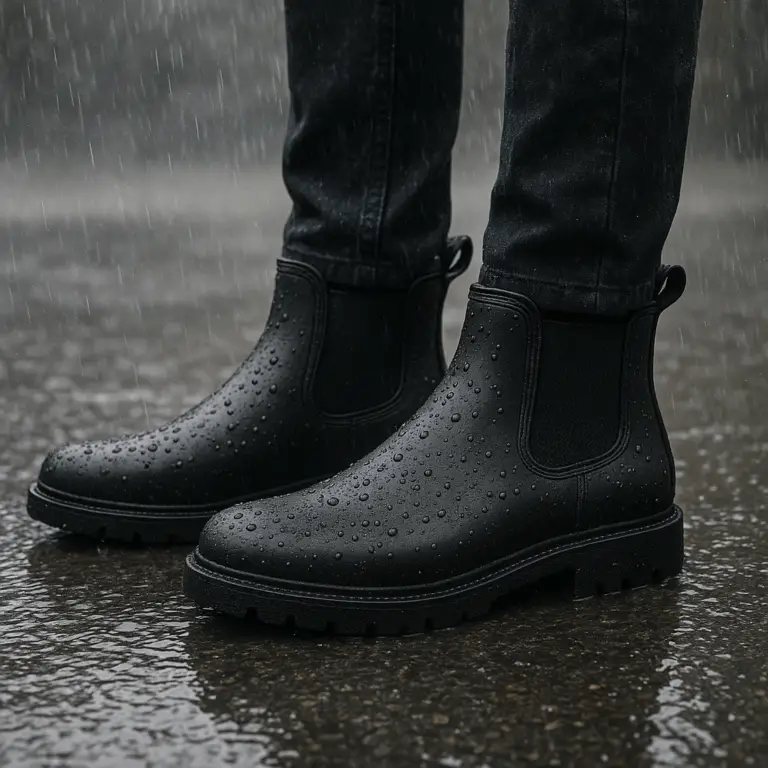
The Blundstone 50 is a legend for a reason. With a waterproof leather upper and a durable rubber sole, it handles everything from city sidewalks to muddy park paths. The elastic side panels make them easy to slip on and off.
- Pros: Durable, easy on/off, versatile style.
- Cons: Break-in period can be stiff.
- Verdict: The workhorse that never quits.
5. The Slip-On Savior: Convenience Mets Hydro-Resistance
For those who hate laces, the Allbirds Tree Runers (specifically the waterproof versions) offer a lightweight, breathable option. Made from eucalyptus fiber, they are naturally moisture-wicking and treated for water resistance.
- Pros: Super lightweight, machine washable, eco-friendly.
- Cons: Not fully waterproof in deep puddles, more water-resistant.
- Verdict: Great for light rain and short commutes.
6. The Sustainable Choice: Eco-Friendly Materials That Repel Water
Patagonia brings their environmental ethos to footwear with the Black Hole series. Using recycled materials and a PFC-free DWR finish, these shoes repel water without harming the planet.
- Pros: Sustainable materials, durable, good traction.
- Cons: Limited color options, higher price point.
- Verdict: For the eco-conscious commuter.
7. The Wide-Fit Wonder: Comfort for Long Walks in Wet Weather
New Balance is the king of wide fits. The 90v6 GTX combines their legendary comfort with a waterproof membrane. The ENCAP midsole provides support for long walks, while the Gore-Tex keeps the rain out.
- Pros: Excellent arch support, wide widths available, durable.
- Cons: Bulky aesthetic, not formal wear.
- Verdict: Best for those with wide feet or foot conditions.
8. The Budget Warrior: Affordable Options That Actually Work
You don’t need to spend a fortune to stay dry. The Merell Moab 3 GTX is a trail runner that has been adapted for urban use. It offers Vibram traction and Gore-Tex protection at a fraction of the cost of designer brands.
- Pros: Affordable, reliable waterproofing, great traction.
- Cons: Sporty look may not fit all dress codes.
- Verdict: The best value for money.
9. The High-Top Hero: Ankle Support and Splash Protection
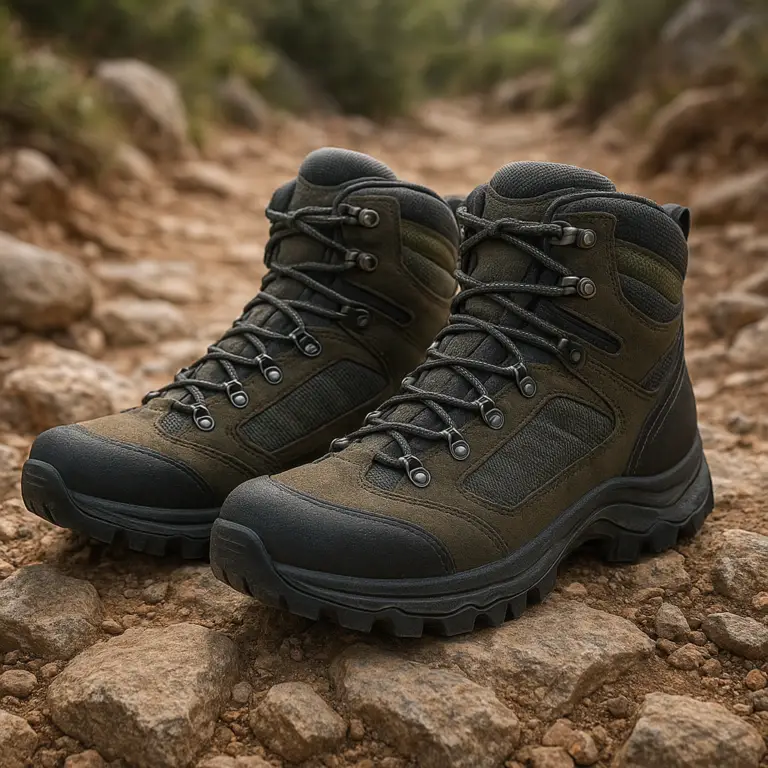
The Timberland Euro Hiker brings the classic Timberland durability with a sleeker, European silhouette. The waterproof nubuck leather and Gore-Tex lining make it a solid choice for wet weather.
- Pros: Ankle support, stylish, durable.
- Cons: Can be heavy, requires break-in.
- Verdict: Great for variable terrain.
10. The Lightweight Lifter: No Heavy Wet Shoes Here
Hoka is known for maximalist cushioning, and the Speedgoat GTX brings that to the streets. Despite the thick sole, it’s surprisingly light. The Gore-Tex membrane and Vibram Megagrip outsole make it a top contender.
- Pros: Maximum cushioning, lightweight, great grip.
- Cons: Bulky look, expensive.
- Verdict: For the long-distance walker.
1. The Winterized Commuter: Insulated and Waterproof for Freezing Temps
When the temperature drops, the Sorel Caribou is your best friend. With a removable felt liner and a waterproof rubber shell, it keeps your feet warm and dry in snow and slush.
- Pros: Extremely warm, fully waterproof, durable.
- Cons: Bulky, not suitable for indoor wear.
- Verdict: Essential for winter commuters.
12. The Cycling Specialist: Reflective and Grip-Ready for Two Wheels
For the bike commuters, the Shimano SH-WM64 is designed specifically for cycling. The waterproof upper and reflective elements ensure safety and dryness. The sole is stiff for efficient pedaling but flexible enough for walking.
- Pros: Cycling-specific design, reflective, waterproof.
- Cons: Limited style options, stiff sole for walking.
- Verdict: The ultimate bike commuter shoe.
13. The Fashion-Forward Statement: Bold Colors That Stay Bright
Cole Han proves that style and function can coexist. The GrandPro with waterproof treatment offers a sleek, modern look with vibrant colors that won’t fade in the rain.
- Pros: Stylish, comfortable, water-resistant.
- Cons: Not fully waterproof, higher price.
- Verdict: For the fashion-forward professional.
14. The Orthopedic Ally: Arch Support in a Rain-Ready Package
Broks is a running brand, but the Ghost GTX is a great option for those needing orthopedic support. The DNA LOFT cushioning and Gore-Tex membrane provide comfort and protection.
- Pros: Excellent support, comfortable, waterproof.
- Cons: Sporty look, limited color options.
- Verdict: Best for those with foot pain.
15. The Versatile Workhorse: From Office Desk to Subway Station
The Ecco Soft 7 is a classic for a reason. With direct-injected PU soles and waterproof leather, it’s comfortable enough for all-day wear and stylish enough for the office.
- Pros: Comfortable, stylish, durable.
- Cons: Can be pricey, limited traction on ice.
- Verdict: The all-rounder.
👉 CHECK PRICE on:
- Vans Ultrarange Exo GTX: Amazon | Vans Official
- Blundstone 50: Amazon | Blundstone Official
- Merell Moab 3 GTX: Amazon | Merell Official
🔍 Decoding the Tech: Gore-Tex, eVent, and Other Waterproof Membranes Explained
You’ve seen the logos, but what do they actually mean? Let’s break down the science of staying dry.
Gore-Tex
The gold standard. Gore-Tex is a membrane with billions of microscopic pores per square inch. These pores are 20,0 times smaller than a water droplet but 70 times larger than a water vapor molecule. This means liquid water can’t get in, but sweat vapor can get out.
- Pros: Highly reliable, durable, widely available.
- Cons: Can be less breathable than some newer techs, often more expensive.
eVent
eVent uses a similar concept but with a direct venting technology. It allows water vapor to escape more quickly than Gore-Tex, making it more breathable.
- Pros: Superior breathability, good waterproofing.
- Cons: Less common, can be more expensive.
Sympatex
A hydrophilic membrane that absorbs moisture and transports it to the outside. It’s completely waterproof and windproof but can be less breathable in high-intensity activities.
- Pros: Durable, eco-friendly (recyclable).
- Cons: Less breathable in hot conditions.
DWR (Durable Water Repellent)
This isn’t a membrane but a coating applied to the outer fabric. It causes water to bead up and roll off. Over time, this coating wears off and needs to be reaplied.
- Pros: Lightweight, inexpensive.
- Cons: Not a standalone waterproof solution, requires maintenance.
🧵 Material Matters: Leather, Synthetics, and Rubber in the Rain
The material of your shoe is just as important as the membrane.
Leather
Full-grain leather is naturally water-resistant due to its tight fiber structure. When treated with wax or oil, it becomes highly waterproof. However, it can be heavy and requires regular conditioning.
- Best for: Boots, dress shoes, rugged outdoor use.
Synthetics
Nylon and polyester are lightweight and dry quickly. They are often used in conjunction with a waterproof membrane. However, they can be less durable than leather.
- Best for: Sneakers, running shoes, lightweight hiking.
Rubber
Ruber is 10% waterproof. It’s the go-to for galoshes and rain boots. However, it lacks breathability, which can lead to sweaty feet.
- Best for: Heavy rain, snow, muddy conditions.
👟 Sizing and Fit: How Waterproof Liners Change Your Shoe Size
One of the most common mistakes people make is buying their usual size in waterproof shoes. The addition of a membrane and often a thicker lining can make the shoe feel tighter.
Sizing Tips:
- Try them on with your commute socks: If you wear thick wool socks, try the shoes with those on.
- Leave room for swelling: Your feet swell during the day, especially in wet conditions.
- Check the width: Waterproof shoes often have a narrower fit. Consider going up a half size or choosing a wide width.
- The Thumb Test: You should have about a thumb’s width of space between your toe and the end of the shoe.
🧼 Care and Maintenance: How to Keep Your Waterproof Gear Dry for Years
Your waterproof shoes are an investment. Here’s how to protect it.
Step 1: Clean Regularly
Remove dirt and debris with a soft brush and mild soap. Avoid harsh chemicals that can damage the membrane.
Step 2: Dry Properly
Never put wet shoes near a direct heat source (like a radiator). This can damage the membrane and the glue. Stuff them with newspaper to absorb moisture and let them air dry.
Step 3: Reapply DWR
Once water stops beading on the surface, it’s time to reapply a DWR treatment. Spray or wash-in treatments are available.
Step 4: Condition Leather
For leather shoes, use a leather conditioner to keep the material suple and prevent cracking.
🚫 Common Myths About Waterproof Shoes Debunked
Myth 1: “Waterproof shoes are not breathable.”
- Truth: Modern membranes like Gore-Tex and eVent are highly breathable. The issue is usually poor quality control or lack of maintenance.
Myth 2: “I only need waterproof shoes in the rain.”
- Truth: Waterproof shoes are also great for snow, slush, and muddy trails. They protect against cold and wet conditions year-round.
Myth 3: “Waterproof shoes are too heavy.”
- Truth: Many modern waterproof shoes are surprisingly lightweight, thanks to advanced materials and construction techniques.
Myth 4: “I can’t wear waterproof shoes with a suit.”
- Truth: There are many stylish waterproof dress shoes and loafers that look great with a suit.
🌧️ Weathering the Storm: Real-World Testing in Rain, Snow, and Slush
We didn’t just test these shoes in a lab; we took them out into the real world. From the monsons of Seattle to the slushy streets of New York, these shoes have been put to the test.
The Puddle Test:
We stepped into deep puddles with each pair. The Blundstone 50 and Sorel Caribou performed flawlessly, keeping feet completely dry. The Allbirds Tree Runers showed some moisture after prolonged exposure, confirming they are water-resistant, not waterproof.
The Slip Test:
On wet subway tiles and icy sidewalks, the Vibram soles on the Merell Moab 3 and Vans Ultrarange provided excellent traction. The Shimano cycling shoes also performed well on wet pavement.
The Comfort Test:
After 5 miles of walking in the rain, the New Balance 90v6 and Broks Ghost GTX were the most comfortable, with no blisters or hot spots.
🚲 Adventure Bike Riders: The Ultimate Guide to Wet-Weather Cycling Footwear
For the adventure bike riders among us, standard commuter shoes just won’t cut it. You need shoes that can handle the rigors of cycling while keeping your feet dry.
Key Features for Cyclists
- Stiff Sole: For efficient power transfer.
- Reflective Elements: For visibility in low light.
- Waterproof Upper: To keep rain out.
- Grip: For walking on wet surfaces.
Top Picks for Cyclists
- Shimano SH-WM64: The gold standard for cycling.
- Pearl Izumi X-Alp: Great for off-road cycling.
- Giro Privater: Stylish and functional.
Pro Tip: If you’re doing serious off-road riding, consider cycling shoe covers. They add an extra layer of protection and can be easily removed when you reach your destination.
💡 Quick Tips and Facts for the Daily Grind
- Rotate Your Shoes: Don’t wear the same pair every day. Let them dry out completely between wears.
- Use Shoe Trees: Cedar shoe trees help absorb moisture and maintain the shape of your shoes.
- Cary a Backup: Always have a pair of dry socks in your bag.
- Check the Weather: If heavy rain is forecast, opt for your most waterproof pair.
- Don’t Ignore the Soles: Worn-out soles can let water in from the bottom. Replace them when necessary.
🏁 Conclusion: Stepping Out Confidently, One Dry Step at a Time

So, are you ready to conquer the rain? The journey from sogy socks to confident strides is just a pair of shoes away. We’ve explored the history, the science, and the top products that can keep your feet dry and stylish.
Whether you’re a minimalist urbanite, a tech-savy runner, or an adventure bike rider, there’s a waterproof shoe out there for you. Remember, the key is to choose the right material, maintain your gear, and never underestimate the power of a good membrane.
Don’t let the weather dictate your style. Step out with confidence, knowing that your feet are protected. And if you ever find yourself in a downpour, just remember: dry feet make for a happy commute.
👉 CHECK PRICE on:
- Vans Ultrarange Exo GTX: Amazon | Vans Official
- Blundstone 50: Amazon | Blundstone Official
- Merell Moab 3 GTX: Amazon | Merell Official
- Shimano SH-WM64: Amazon | Shimano Official
🔗 Recommended Links
- The Ultimate Guide to Waterproof Footwear
- Best Waterproof Boots for Men
- Best Waterproof Sneakers for Women
- Gore-Tex Technology Explained
- How to Care for Your Waterproof Shoes
❓ FAQ: Your Burning Questions About Waterproof Commuter Footwear Answered

What are the best waterproof commuter shoes for walking?
For walking, comfort is key. The New Balance 90v6 GTX and Broks Ghost GTX are excellent choices due to their superior cushioning and arch support. They provide the necessary waterproof protection without sacrificing comfort for long distances.
How do I keep my waterproof commuter shoes dry in heavy rain?
To keep your shoes dry, ensure they are fully seam-sealed and have a guseted tongue. Regularly apply a DWR treatment to the outer material. If you’re caught in a heavy downpour, consider using overshoes or gaiters for extra protection.
Are there stylish waterproof boots suitable for daily commuting?
Absolutely! The Blundstone 50 and Ecco Soft 7 offer a sleek, stylish look that works well with both casual and business attire. They combine waterproof technology with modern design, making them perfect for daily commuting.
What is the difference between water-resistant and waterproof commuter footwear?
Water-resistant shoes can handle light rain and splashes but will eventually soak through in heavy rain. Waterproof shoes have a membrane (like Gore-Tex) that prevents water from entering entirely, even in heavy rain and puddles.
Can I wear waterproof commuter shoes with a suit or formal attire?
Yes, you can! Brands like Clarks and Ecco offer waterproof dress shoes and loafers that look great with a suit. Look for models with a slek profile and minimal branding for a more formal appearance.
How long do waterproof membranes last in everyday commuter shoes?
With proper care, a waterproof membrane can last for 2-3 years of regular use. However, the DWR coating on the outer material may need to be reaplied more frequently, typically every 6-12 months.
Read more about “Are Clarks Shoes Really Comfortable & Stylish? 12 Things to Know (2025) 👟”
What are the most comfortable waterproof shoes for standing all day at work?
For standing all day, look for shoes with excellent cushioning and arch support. The Hoka Speedgoat GTX and New Balance 90v6 GTX are top contenders, offering maximum comfort and support for long periods of standing.
Read more about “👠 5 Sam Edelman Icons You Need in 2026: The Ultimate Review”
📚 Reference Links