Support our educational content for free when you purchase through links on our site. Learn more
👟 50+ Top Footwear Companies Ranked (2026)

The answer to what are the different footwear companies isn’t a single name, but a global ecosystem ranging from performance giants like Nike and Hoka to sustainable pioneers like Allbirds and Veja. Whether you need a shoe that can survive a marathon or one that turns heads on the runway, the right brand exists for your specific stride.
You might be surprised to learn that the modern sneaker industry was born from a bitter family feud in a German laundry room. The Dassler brothers, Adolf and Rudolf, split their business into adidas and Puma, creating a rivalry that still fuels the market today.
With over 50 major brands dominating the shelves, choosing the right one can feel overwhelming. We’ve broken down the hype, the heritage, and the tech to help you find your perfect match.
Key Takeaways
- Diverse Specialization: The market is split between performance leaders (Nike, Brooks), lifestyle icons (Converse, New Balance), and eco-wariors (Allbirds, Veja).
- Fit is King: Your foot shape (wide, narrow, flat, high arch) dictates the best brand for you more than the logo ever could.
- Sustainability Matters: Modern consumers are driving a shift toward recycled materials and ethical labor practices, with brands like Cariuma leading the charge.
- Heritage vs. Hype: While classic brands like Dr. Martens offer timeless durability, hype brands like Balenciaga drive the current fashion conversation.
👉 Shop by Category:
- Running Shoes: Nike | Broks | Hoka
- Casual Sneakers: New Balance | Adidas | Converse
- Sustainable Picks: Allbirds | Veja | Cariuma
- Luxury Hels: Christian Louboutin | Jimmy Choo
- Hiking Boots: Merell | Salomon | Danner
Table of Contents
- ⚡️ Quick Tips and Facts
- 📜 A Sneakerhead’s History: How Footwear Giants Rose to Power
- 👟 The Big Leagues: Top Global Footwear Companies Dominating the Market
- 🏃 ♂️ Performance Powerhouses: Best Athletic Shoe Brands for Running and Training
- 👞 Classic Cool: Iconic Lifestyle and Casual Footwear Brands
- 🌿 Eco-Conscious Steps: Sustainable and Ethical Shoe Brands to Watch
- 👠 High Hels and Luxury: Designer Footwear Brands Worth the Splurge
- 🥾 Rugged Roots: Top Outdoor and Hiking Boot Manufacturers
- 👶 Tiny Tots: Leading Children’s and Baby Shoe Brands
- 🛠️ The Fit Guide: How to Choose the Right Brand for Your Foot Shape
- 🧐 Sneakerhead Secrets: Understanding Brand Heritage and Collaborations
- 🚫 Common Pitfalls: Fake Brands and What to Avoid
- 🏆 The Verdict: Which Footwear Company Reigns Supreme?
- 📚 Recommended Links
- ❓ Frequently Asked Questions (FAQ)
- 🔗 Reference Links
⚡️ Quick Tips and Facts
Before we dive into the labyrinth of logos, soles, and heritage, let’s get the nitty-gritty down. You might think picking a shoe brand is as simple as grabbing the first pair that fits, but the footwear industry is a wild beast with shifting tides.
Here are the golden nugets you need to know right now:
- The Market is Massive: The global footwear market isn’t just big; it’s a colossus. It’s projected to hit nearly $50 billion by 2030. That’s a lot of sneakers!
- Comfort is King (and Queen): Forget the “break-in period” myth. Modern consumers demand instant comfort. Brands like Hoka and On exploded because they realized people don’t want to suffer for style anymore.
- Sustainability isn’t a Gimmick: It’s a lifesaver. Brands like Allbirds and Veja proved you can make a shoe from merino wool or wild rubber without destroying the planet.
- The “Dad Shoe” is Here to Stay: Remember when chunky sneakers were a joke? Now, Balenciaga and New Balance are selling them for the price of a used car. It’s the ugly-chic revolution.
- Crocs Made a Comeback: Who knew a foam clog could be a fashion icon? Thanks to Jibitz and celebrity collabs, Crocs revenue skyrocketed from $1.2 billion to over $3.27 billion in a decade.
Did you know? The term “sneaker” was coined in 187 because the rubber soles made the shoes silent as a cat. Before that, they were just “ruber shoes.”
For a deeper dive into the history of how these giants rose, keep reading! But first, if you’re looking for a specific category, check out our curated lists on Shoe Brands
for everything from Designer Shoes to Athletic Shoes.📜 A Sneakerhead’s History: How Footwear Giants Rose to Power

History isn’t just dusty books; it’s the story of brothers fighting, athletes changing the game, and marketing geniuses. To understand where we are, we have to look at where we started.
The Dassler Brothers: A Family Feud That Changed the World
It all started in a small German town called Herzogenaurach. Two brothers, Adolf “Adi” Dassler and Rudolf Dassler, were making shoes in their mother’s laundry. They were the best of friends and the worst of enemies.
- Adi founded adidas in 1949. He was the innovator, obsessed with performance and the three stripes.
- Rudolf founded Puma in 1948. He was the showman, focusing on style and speed.
The feud was so intense that the town was split in two. Locals would cross the river to visit one side or the other, and they refused to speak to each other. It wasn’t until decades later that the families reconciled, but the rivalry still fuels the market today.
The American Revolution: Nike and the Swosh
Across the ocean, Phil Knight and Bill Bowerman were selling Japanese shoes out of the trunk of a car. They called it Blue Ribbon Sports. In 1971, they needed a name and a logo.
- The Name: They chose Nike, the Greek goddess of victory.
- The Logo: A graphic designer named Carolyn Davidson drew the Swosh for $35. She later got stock in the company, which turned out to be a billion-dollar deal.
Nike didn’t just sell shoes; they sold dreams. The Air Jordan line in 1984 changed everything. It proved that a shoe could be a cultural phenomenon, transcending sports to become a fashion statement.
The Rise of the “Lifestyle” Brand
In the 90s, brands realized that not everyone was running marathons. Converse (founded in 1908) had the Chuck Taylor All Star, but it was the grunge movement that made it cool again. Vans went from skate parks to high fashion runways.
Fun Fact: Rebok actually outsold Nike in the 1980s thanks to the Frestyle aerobics shoe. But they lost their way when they stopped innovating.
The Modern Era: Tech and Transparency
Today, the game has changed again. On Running uses CloudTec pods to make you feel like you’re floating. Hoka introduced maximalist cushioning when everyone else was going minimal. And Allbirds is making shoes from eucalyptus trees.
The history of footwear is a story of adaptation. If you don’t evolve, you become a relic.
👟 The Big Leagues: Top Global Footwear Companies Dominating the Market
When we talk about the titans, we aren’t just talking about big names; we’re talking about market share, revenue, and cultural impact. These are the companies that set the trends for the rest of us.
The “Big Three” (and a few others)
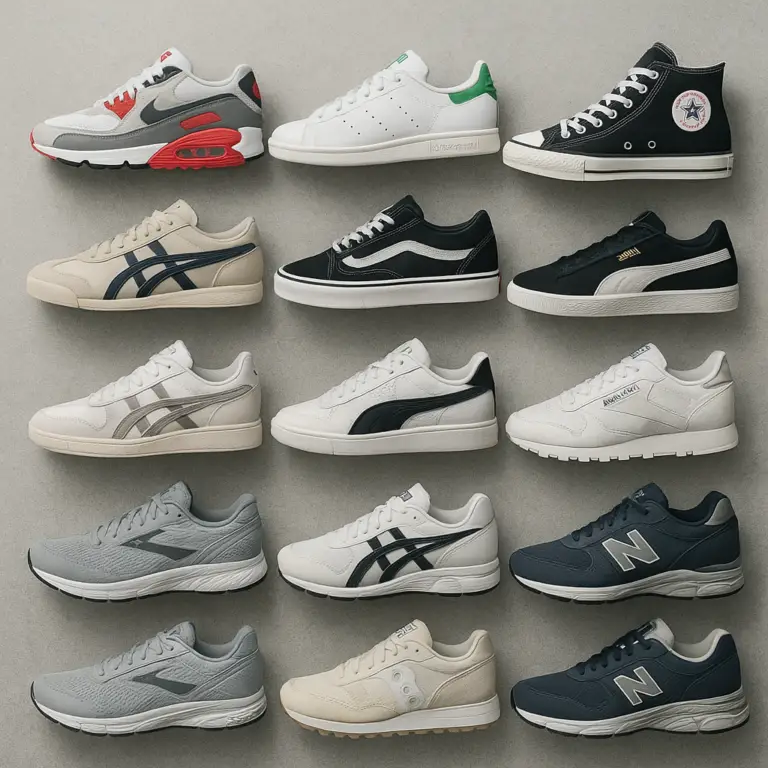
| Brand | Origin | Key Strength | Signature Tech/Style | Market Position |
|---|---|---|---|---|
| Nike | USA | Innovation & Hype | Air, Flyknit, Jordan Brand | #1 Global Leader |
| adidas | Germany | Heritage & Sport | Boost, Ultrabost, Stan Smith | #2 Global Contender |
| Puma | Germany | Speed & Lifestyle | Formstrip, Suede, Fenty Collab | Top 5 Global |
| New Balance | USA | Fit & Craftsmanship | Fresh Foam, Made in USA/UK | Rising Lifestyle Giant |
| Skechers | USA | Comfort & Value | Memory Foam, Arch Fit | Mass Market Leader |
Why Nike Still Reigns Supreme
Nike isn’t just a shoe company; it’s a marketing machine. They own the Air Jordan brand, which generates over $5 billion annually on its own. They’ve mastered the art of the limited drop, creating a resale market that rivals the stock market.
- Pros: Unmatched innovation, massive celebrity roster (LeBron, Serena, Cristiano), and a hype culture that drives sales.
- Cons: Can be expensive, and their direct-to-consumer shift has alienated some smaller retailers.
The Comeback Kid: New Balance
For years, New Balance was the “dad shoe” of the world. But they flipped the script. By focusing on quality materials, wide widths, and retro aesthetics (like the 50 and 9060), they became the it brand for cool kids and fashionistas alike.
- Pros: Superior comfort, consistent sizing, and a strong “Made in USA/UK” line for purists.
- Cons: Less “hype” than Nike, and some styles can feel a bit conservative.
The German Powerhouse: adidas
adidas is the yoga mat of the shoe world. They dominate the lifestyle space with the Stan Smith and Superstar. Their Boost technology revolutionized cushioning, making running shoes feel like clouds.
- Pros: Iconic designs, strong sustainability initiatives (Parley Ocean Plastic), and a massive collaboration network (Yeezy, though ended, was huge).
- Cons: The loss of the Yeezy partnership cost them billions, and they are still trying to find their next big hit.
Stylist Tip: If you want versatility, go with New Balance. If you want hype, it’s Nike. If you want classic cool, adidas is your best bet.
🏃 ♂️ Performance Powerhouses: Best Athletic Shoe Brands for Running and Training
Running isn’t just about moving your legs; it’s about biomechanics, impact absorption, and energy return. The wrong shoe can ruin your run (and your knees). Let’s break down the specialists.
The Running Giants
1. Brooks Running
Broks is the gold standard for runners. They don’t make basketball shoes or fashion sneakers; they make running shoes. Period.
- Key Tech: DNA LOFT cushioning and GuideRails support.
- Best For: Daily training, long distances, and runners who need stability.
- Top Models: Ghost (neutral), Adrenaline GTS (stability).
2. Hoka One
Hoka changed the game with maximalist soles. They look bulky, but they are light as a feather.
- Key Tech: Meta-Rocker geometry for a smooth roll-through.
- Best For: Recovery runs, ultra-marathons, and people with joint pain.
- Top Models: Clifton (daily), Bondi (max cushion), Speedgoat (trail).
3. ASICS
ASICS stands for “Anima Sana In Corpore Sano” (A sound mind in a sound body). They are the tech wizards of running.
- Key Tech: GEL cushioning and FlyteFoam.
- Best For: Serious runners, overpronators, and marathon training.
- Top Models: Gel-Kayano (stability), Gel-Nimbus (cushion).
4. On Running
The Swiss brand that took over the world. Their CloudTec sole looks like a cloud of pods.
- Key Tech: CloudTec and Speedboard.
- Best For: Tempo runs, gym workouts, and style-conscious runners.
- Top Models: Cloudstratus, Cloudmonster.
The Training & Cross-Training Kings
- Nike Metcon: The gym rat’s best friend. Stable for lifting, flexible for cardio.
- Rebok Nano: Known for durability and a wide toe box. Great for CrossFit.
- Under Armour HOVR: Connected tech that tracks your run. Good for tech lovers.
Comparison: Which Running Brand is Right for You?
| Brand | Best For | Cushion Level | Stability | Price Range |
|---|---|---|---|---|
| Broks | Daily Runers | Medium-High | High | $$ |
| Hoka | Recovery/Long Distance | Maximum | Medium | $$ |
| ASICS | Serious Training | High | Very High | $$ |
| On | Style/Tempo | Medium | Low-Medium | $$$ |
| Saucony | Versatility | Medium | Medium | $$ |
Did you know? Saucony was founded in 1898 and is one of the oldest running brands. Their Grid technology was the first to combine cushioning and stability in one system.
👉 CHECK PRICE on:
- Broks Ghost: Amazon | Broks Official
- Hoka Clifton: Amazon | Hoka Official
- ASICS Gel-Kayano: Amazon | ASICS Official
👞 Classic Cool: Iconic Lifestyle and Casual Footwear Brands
Not every shoe needs to be a marathon machine. Sometimes, you just need a shoe that looks good with jeans and feels like a hug. This is the realm of lifestyle footwear.
The Canvas Kings: Converse & Vans
- Converse Chuck Taylor All Star: The original sneaker. Born in 1917, it became the symbol of rebellion in the 50s and grunge in the 90s.
Pros: Timeless style, affordable, endless customization.
Cons: Flat sole (bad for arch support), no cushioning. - Vans Old Skool & Sk8-Hi: Born in skate culture. The side stripe is iconic.
Pros: Durable, great for skating, classic look.
Cons: Can be stiff at first, narrow fit.
The Comfort Legends: Dr. Martens & Birkenstock
- Dr. Martens: The 1460 boot is a punk rock staple. Made with air-cushioned soles and Godyear welt construction.
Pros: Indestructible, unique style, gets better with age.
Cons: Break-in period is painful (wear thick socks!). - Birkenstock: The Arizona sandal is the king of comfort. The cork footbed molds to your foot.
Pros: Incredible arch support, sustainable materials.
Cons: Not for everyone (the “footbed” look is polarizing).
The Modern Casual: Allbirds & Cariuma
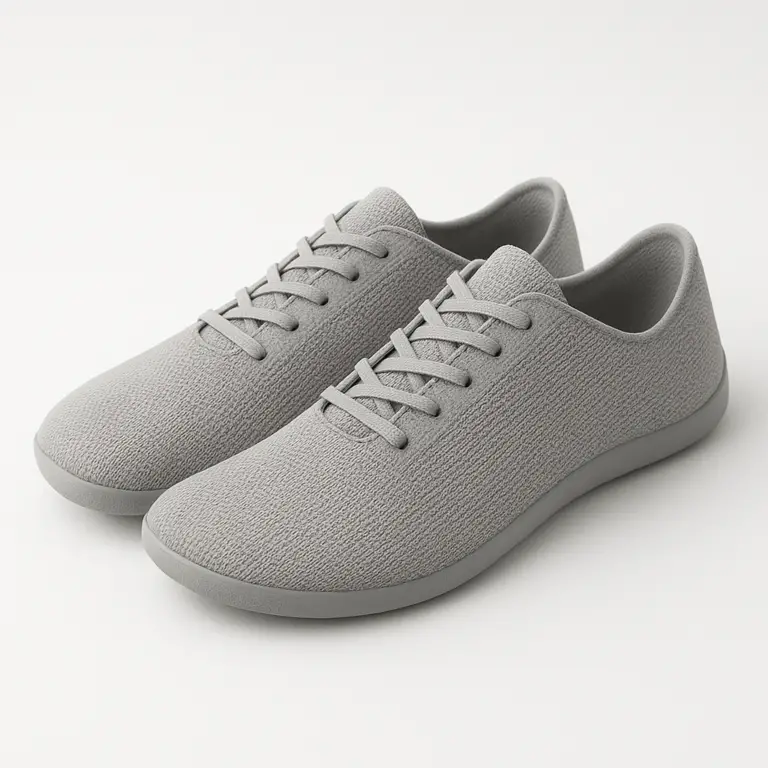
- Allbirds: Made from merino wool and sugarcane. They are the eco-friendly choice for the city.
Pros: Breathable, machine washable, sustainable.
Cons: Not great for heavy rain, limited style variety. - Cariuma: Brazilian brand using bamboo and organic cotton. They plant two trees for every pair sold.
Pros: Stylish, sustainable, comfortable.
Cons: Sizing can run small.
Stylist Secret: Pair Dr. Martens with a flowy dress for an edgy contrast, or wear Birkenstocks with socks for that trendy “ugly chic” look.
👉 CHECK PRICE on:
- Converse Chuck Taylor: Amazon | Converse Official
- Vans Old Skool: Amazon | Vans Official
- Dr. Martens 1460: Amazon | Dr. Martens Official
🌿 Eco-Conscious Steps: Sustainable and Ethical Shoe Brands to Watch
The fashion industry is one of the bigest polluters on the planet. But a new wave of brands is turning the tide. These companies prove you don’t have to sacrifice style for sustainability.
The Pioners
1. Allbirds
Allbirds started with a simple idea: make shoes from natural materials.
- Materials: Merino wool, eucalyptus tree fiber, sugarcane.
- Impact: They measure their carbon footprint on every shoe and aim for net zero.
- Verdict: Great for everyday wear, but maybe not for heavy-duty activities.
2. Veja
Veja is the anti-adidas. They don’t spend a dime on advertising. Instead, they spend it on fair trade and transparency.
- Materials: Organic cotton, wild rubber from the Amazon, recycled plastic bottles.
- Impact: They pay fair wages to farmers and workers in Brazil.
- Verdict: Stylish, ethical, and getting more popular every day.
3. Cariuma
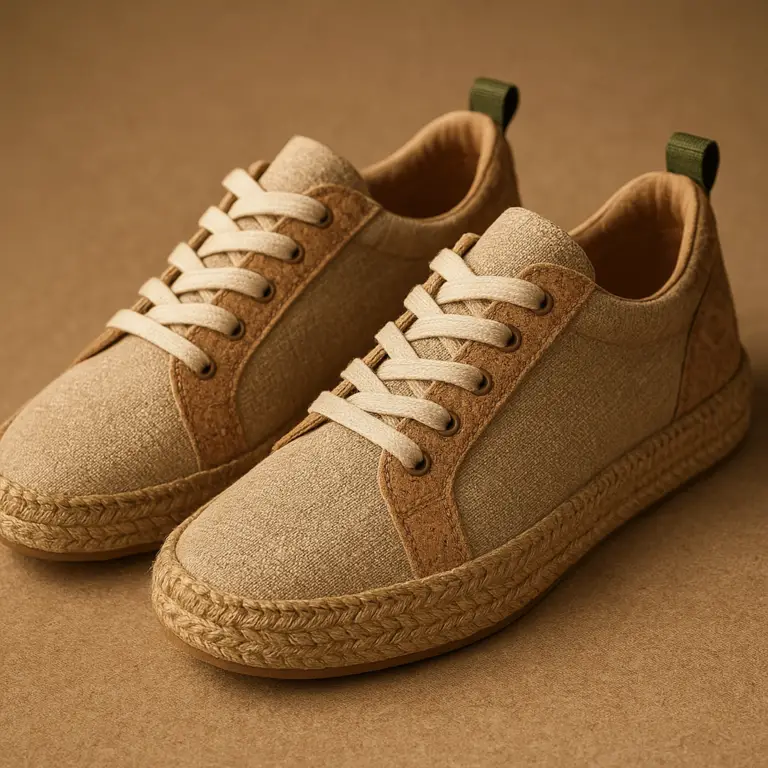
Cariuma is on a mission to replant the rainforest.
- Materials: Bamboo, organic cotton, natural rubber.
- Impact: For every pair sold, they plant two trees in the Brazilian rainforest.
- Verdict: Perfect for the eco-conscious sneakerhead.
4. Rothy’s
Rothy’s turns plastic water bottles into stylish flats and sneakers.
- Materials: Recycled plastic (rPET), algae foam.
- Impact: They are machine washable and carbon neutral.
- Verdict: Great for work and casual wear.
The Future of Footwear
- Vivobarefoot: Focuses on barefoot shoes with zero drop and wide toe boxes.
- Norda: Uses Dynema (stronger than steel) and bio-based materials for trail running.
- Pangaia: Uses bio-based dyes and recycled materials for high-tech streetwear.
Did you know? A single pair of conventional sneakers produces about 30 lbs of CO2. Sustainable brands aim to cut that in half or more.
👉 CHECK PRICE on:
- Allbirds Tree Runers: Amazon | Allbirds Official
- Veja V-10: Amazon | Veja Official
- Cariuma OCA Low: Amazon | Cariuma Official
👠 High Hels and Luxury: Designer Footwear Brands Worth the Splurge
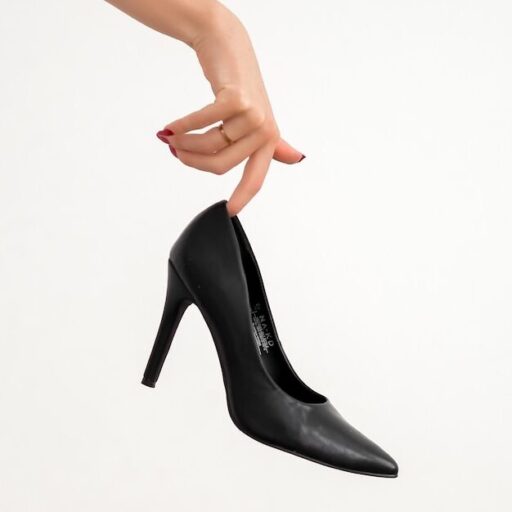
Let’s be honest: high heels are a love-hate relationship. They make you look taller, leaner, and more powerful, but they can also feel like torture. Designer brands are trying to fix this with better engineering and luxurious materials.
The Luxury Titans
1. Christian Louboutin
The red sole is the most recognizable sign of luxury.
- Signature: The Pigalle and So Kate pumps.
- Pros: Iconic, stunning, makes a statement.
- Cons: Expensive, not for walking long distances.
2. Jimmy Choo
Known for glamour and red carpet moments.
- Signature: The Romy pump and Anouk sandal.
- Pros: Comfortable for a designer heel, elegant designs.
- Cons: High price point, delicate materials.
3. Manolo Blahnik
The shoemaker’s shoemaker. Known for craftsmanship and timeless designs.
- Signature: The Hangisi (the blue satin shoe from Sex and the City).
- Pros: Incredible fit, durable, classic.
- Cons: Very expensive, limited color options.
4. Golden Goose
The distressed luxury sneaker.
- Signature: The Super-Star with pre-scuffed leather.
- Pros: Unique, comfortable, “lived-in” look.
- Cons: You pay for the scuffs, which some find weird.
The “Dad Shoe” Luxury
- Balenciaga: The Triple S and Track sneakers redefined the chunky aesthetic.
- Common Projects: The Achilles Low is the minimalist luxury sneaker. No logos, just a gold serial number.
Stylist Tip: If you want comfort in a luxury heel, look for brands like Aquazzura or Gianvito Rossi, which are known for better arch support.
👉 CHECK PRICE on:
- Christian Louboutin: Amazon | Louboutin Official
- Jimmy Choo: Amazon | Jimmy Choo Official
- Golden Goose: Amazon | Golden Goose Official
🥾 Rugged Roots: Top Outdoor and Hiking Boot Manufacturers
When the pavement ends, the real adventure begins. You need boots that can handle mud, rocks, and rain. These brands are built for the wild.
The Trail Kings
1. Merell
Merell is the go-to for hikers. Their Moab boot is one of the best-selling hiking shoes of all time.
- Key Tech: Vibram outsoles, GORE-TEX waterproofing.
- Best For: Day hikes, light backpacking.
- Top Models: Moab 3, Trail Glove.
2. Salomon
Salomon started in the French Alps and now dominates the trail running and hiking world.
- Key Tech: Quicklace system, Contagrip outsole.
- Best For: Technical trails, fast hiking, trail running.
- Top Models: X Ultra, Speedcross.
3. Danner
Danner is the heritage brand. Their boots are handcrafted in the USA and built to last a lifetime.
- Key Tech: GORE-TEX, Vibram soles, Godyear welt.
- Best For: Heavy-duty hiking, work, and outdoor labor.
- Top Models: Mountain Light, Trail 2650.
4. Timberland
The Yellow Boot is a cultural icon. Originally a work boot, it became a hip-hop staple.
- Key Tech: Waterproof leather, padded collar.
- Best For: Urban exploration, light hiking, style.
- Top Models: 6-Inch Premium Boot.
The Winter Warriors
- Sorel: The Caribou boot is the king of snow.
- UG: Not just for slippers! Their Adirondack boot is great for snow.
Did you know? Red Wing boots are made with Horween leather and can be resoled multiple times, making them a lifetime investment.
👉 CHECK PRICE on:
- Merell Moab: Amazon | Merell Official
- Salomon X Ultra: Amazon | Salomon Official
- Danner Mountain Light: Amazon | Danner Official
👶 Tiny Tots: Leading Children’s and Baby Shoe Brands
Shoe shopping for kids is a special kind of chaos. They grow fast, they kick the shoes off, and they need support for developing feet.
The Top Picks
1. Stride Rite
The gold standard for baby and toddler shoes.
- Focus: Developmental support, flexible soles.
- Best For: First walkers, toddlers.
- Top Models: Made2Play, Soft Motion.
2. See Kai Run
Known for wide toe boxes and soft leather.
- Focus: Natural foot movement, durability.
- Best For: Active toddlers, wide feet.
- Top Models: Stevie II, Finn.
3. Native Shoes
The Jefferson shoe is a slip-on wonder.
- Focus: Easy on/off, washable, lightweight.
- Best For: Kids who hate tying laces, water play.
- Top Models: Jefferson, Milo.
4. Geox
The breathable shoe.
- Focus: Waterproof but breathable (no sweaty feet!).
- Best For: Rainy days, active kids.
- Top Models: U Baby, Gino.
Stylist Tip: Always buy half a size bigger for growing feet, but make sure the heel doesn’t slip.
👉 CHECK PRICE on:
- Stride Rite: Amazon | Stride Rite Official
- See Kai Run: Amazon | See Kai Run Official
- Native Shoes: Amazon | Native Shoes Official
🛠️ The Fit Guide: How to Choose the Right Brand for Your Foot Shape
Not all feet are created equal. A wide foot needs a different brand than a narrow foot. Here’s how to match your foot shape to the right brand.
Foot Shape Cheat Sheet
| Foot Shape | Characteristics | Best Brands | Why? |
|---|---|---|---|
| Wide | Broad toe box, high volume | New Balance, Altra, Broks | Offer wide widths and roomy toe boxes. |
| Narrow | Slim heel, narrow forefoot | Nike, adidas, ASICS | Often have a snuger fit in standard sizes. |
| High Arch | High arch, less contact | Hoka, Broks, New Balance | Need cushioning and support. |
| Flat Foot | Low arch, overpronation | ASICS, Broks, Vionic | Need stability and motion control. |
| Bunions | Bony bump on side | Altra, Birkenstock, Vivobarefoot | Need wide toe boxes and flexible materials. |
Step-by-Step Fitting Guide
- Measure Your Feet: Do this at the end of the day when feet are swollen.
- Check the Toe Box: You should have thumb’s width of space in front of your longest toe.
- Test the Hel: Your heel should not slip when you walk.
- Walk Around: Don’t just stand. Run, jump, and turn in the store.
- Trust Your Gut: If it hurts, don’t buy it. No amount of “breaking in” is worth blisters.
Did you know? Altra shoes have a FootShape toe box that mimics the natural shape of your foot, making them great for bunions and wide feet.
🧐 Sneakerhead Secrets: Understanding Brand Heritage and Collaborations
Why do people pay $1,0 for a pair of sneakers? It’s not just the shoe; it’s the story, the hype, and the collaboration.
The Art of the Collaboration
- Nike x Off-White: Virgil Abloh’s “The Ten” collection redefined sneaker design. He took classic Nike models and added zip ties, deconstructed them, and added quotes.
- adidas x Yeezy: Kanye West’s Yeezy line was a billion-dollar partnership. Even though it ended, the hype remains.
- New Balance x JJound: A minimalist collaboration that turned the 9060 into a fashion icon.
The Resale Market
The resale market is a wild west. Platforms like StockX and GOAT allow you to buy and sell limited edition sneakers.
- Why it matters: Some shoes appreciate in value, while others plumet.
- Tip: If you’re buying for investment, stick to limited drops and iconic models.
Did you know? The most expensive sneaker ever sold was a pair of Michael Jordan’s game-worn shoes, which went for $560,0!
🚫 Common Pitfalls: Fake Brands and What to Avoid
The world of sneakers is full of fakes. From replicas to knock-offs, it’s easy to get scammed.
How to Spot a Fake
- Price: If it’s too good to be true, it is. A $20 shoe for $50 is a red flag.
- Quality: Check the stitching, the logo, and the materials. Fakes often have sloppy stitching.
- Box: The box should match the shoe. Fakes often have wrong labels or por quality boxes.
- Seller: Buy from authorized retailers or reputable resale platforms.
Brands to Avoid (or be careful with)
- Unknown Brands: If you’ve never heard of the brand, be skeptical.
- Street Vendors: Avoid buying from street vendors or unverified online sellers.
- Too Many Colors: If a brand has too many colorways, it might be a fake.
Stylist Tip: Always check the authenticity of a shoe before buying. Use apps like Check or Legit Check to verify.
🏆 The Verdict: Which Footwear Company Reigns Supreme?
So, who wins the crown? It depends on what you’re looking for.
- For Innovation: Nike is the undisputed leader.
- For Comfort: Hoka and Broks are the champions.
- For Style: New Balance and adidas are the trendseters.
- For Sustainability: Allbirds and Veja are the heroes.
- For Luxury: Christian Louboutin and Balenciaga are the kings.
There is no single winner. The best brand is the one that fits your needs, your style, and your values.
Final Thought: Don’t let the hype fool you. The best shoe is the one that makes you feel good and look good.
Conclusion

We’ve journeyed through the history, the tech, the style, and the sustainability of the footwear world. From the Dassler brothers’ feud to the modern-day sneakerhead, one thing is clear: shoes are more than just footwear. They are a statement, a tool, and a work of art.
Whether you’re a runner, a fashionista, or just someone looking for comfort, there is a brand out there for you. Don’t be afraid to experiment, to try new things, and to find your perfect fit.
Remember: The best shoe is the one that makes you want to take a step. So, what are you waiting for? Lace up and go!
📚 Recommended Links
Ready to find your perfect pair? Check out these top picks and resources.
- Best Running Shoes: Broks Ghost | Hoka Clifton
- Best Lifestyle Sneakers: New Balance 50 | Adidas Stan Smith
- Best Sustainable Shoes: Allbirds Tree Runers | Veja V-10
- Best Luxury Hels: Christian Louboutin Pigalle | Jimmy Choo Romy
- Best Hiking Boots: Merell Moab | Salomon X Ultra
- Books on Sneaker Culture: Sneaker Wars | The Sneaker Book
❓ Frequently Asked Questions (FAQ)

What are the most affordable footwear brands?
Skechers, Converse, and Vans offer great value for money. You can find high-quality shoes for under $10 without breaking the bank.
Read more about “25 Designers Similar to Steve Madden for 2026 🚀”
Which companies lead innovative shoe technology?
Nike (Air, Flyknit), adidas (Boost), and On (CloudTec) are the leaders in innovation. They constantly push the boundaries of cushioning, weight, and performance.
Read more about “🧶 Knit Upper Shoe Technology: The Future of Fit (2026)”
What are popular footwear brands for casual wear?
New Balance, adidas, Converse, and Vans are the go-to brands for casual wear. They offer style, comfort, and versatility.
Read more about “🚀 25+ Designers Like Steve Madden for Trendy Shoes (2026)”
How do sustainable footwear companies differ from traditional ones?
Sustainable brands use eco-friendly materials (like merino wool, recycled plastic, and organic cotton), focus on fair trade, and aim for carbon neutrality. Traditional brands often rely on synthetic materials and mass production.
Read more about “🌱 15 Top Sustainable Sneaker Brands for 2026 (That Actually Last)”
What are the best luxury shoe brands?
Christian Louboutin, Jimmy Choo, Manolo Blahnik, and Balenciaga are the top luxury brands. They offer exquisite craftsmanship, iconic designs, and exclusive collaborations.
Read more about “🥾 How to Care for & Maintain Shoes: Extend Lifespan (2026)”
Which footwear companies specialize in athletic shoes?
Nike, adidas, Broks, ASICS, and Hoka are the specialists in athletic footwear. They focus on performance, technology, and athlete endorsements.
Read more about “🥾 How to Choose the Right Footwear Company for Your Needs (2026)”
What are the top global footwear brands?
Nike, adidas, Puma, New Balance, and Skechers are the top global brands. They dominate the market share and have a global presence.
Read more about “🏆 The Top 3 Shoe Brands of 2026: Nike, Adidas, & New Balance Revealed”
Are there any eco-friendly footwear companies that offer sustainable and stylish options?
Yes! Allbirds, Veja, Cariuma, and Rothy’s offer sustainable and stylish options. They use eco-friendly materials and focus on ethical production.
What are the most popular luxury footwear companies and their signature styles?
Christian Louboutin (red sole), Jimmy Choo (glamorous heels), Manolo Blahnik (timeless elegance), and Balenciaga (chunky sneakers) are the most popular.
Read more about “60 Must-Know Shoe Brands to Step Up Your Style in 2026 👟”
How do I choose the right footwear company for my specific needs and preferences?
Consider your foot shape, activity level, style preferences, and budget. Try on different brands and test them to find the perfect fit.
Read more about “How do I choose the right footwear company for my specific needs and preferences?”
What are the top athletic footwear brands available in the market?
Nike, adidas, Broks, ASICS, Hoka, New Balance, and Saucony are the top athletic brands. They offer a wide range of performance shoes for running, training, and hiking.
Read more about “👑 Top 10 Luxury Mule & Slide Designers for 2026”
🔗 Reference Links
- Wikipedia: Shoe Brands
- Sneaker History: Sneaker Brands A-Z
- Gazelle Sports: All Brands
- Nike Official Website
- adidas Official Website
- New Balance Official Website
- Broks Running Official Website
- Hoka Official Website
- ASICS Official Website
- Allbirds Official Website
- Veja Official Website
- Christian Louboutin Official Website
- Merell Official Website
- Salomon Official Website
- Danner Official Website
- Stride Rite Official Website
- Native Shoes Official Website
- Gazelle Sports All Brands Page